
Vietnam is famous for its landscapes and food, but also for its pagodas, temples and ancient religious sites, many with strong links to India. From Buddhist pagodas to Hindu shrines and Cham temples dedicated to Shiva, temples in Vietnam should be on the list of every Indian traveller who loves history and culture.
The most famous temples in Vietnam for Indian travellers are the Hindu temples of Ho Chi Minh City (Mariamman and Subramaniam Swamy), the Cham temples of Po Nagar, My Son and Po Shanu, and Buddhist pagodas such as Bai Dinh, the Perfume Pagoda, Thien Mu, Yen Tu and the One Pillar Pagoda. There is currently no dedicated Jain temple in Vietnam, but Jain travellers can visit these sites and find Jain-friendly food in the main cities. Most pagodas and Hindu temples are free to enter; Cham heritage sites charge a small fee.
This Vietnamtour.in guide covers 10 of the best temples, from Hanoi and Ninh Binh in the north to Hue, Nha Trang and Ho Chi Minh City, with locations, opening hours and tips. They are also a big part of why vietnam is famous among Indian visitors.
| Temple | Type | City / region | Entry |
|---|---|---|---|
| Mariamman Temple | Hindu (Tamil) | Ho Chi Minh City | Free |
| Subramaniam Swamy Temple | Hindu (Tamil) | Ho Chi Minh City | Free |
| Po Nagar Temple | Cham Hindu | Nha Trang | About 30,000 VND |
| My Son Sanctuary | Cham Hindu, UNESCO | Near Hoi An | About 150,000 VND |
| Po Shanu Cham Towers | Cham Hindu | Phan Thiet / Mui Ne | Small fee |
| Bai Dinh Pagoda | Buddhist | Ninh Binh | Free (buggy extra) |
| Perfume Pagoda | Buddhist | Near Hanoi | Ticket + boat |
| Thien Mu Pagoda | Buddhist | Hue | Free |
| Yen Tu | Buddhist | Quang Ninh | Ticket + cable car |
| One Pillar Pagoda | Buddhist | Hanoi | Free |
Is There a Jain Temple in Vietnam?
As far as we know, there is no dedicated Vietnam Jain temple: no Jain mandir or derasar in Vietnam, including no Jain temple in Ho Chi Minh City, as of 2026.
Travellers searching for a Jain mandir in Vietnam should know that the Indian community here is small and mostly Hindu, so the Indian places of worship are Tamil Hindu temples in Ho Chi Minh City. Jain travellers can still visit these temples, as well as Buddhist pagodas, which share ideas such as ahimsa (non-violence) and vegetarianism. For Jain meals, choose pure-vegetarian Indian restaurants in Hanoi and Ho Chi Minh City and ask for “no onion, no garlic, no root vegetables”; Vietnamtour.in can arrange Jain food on request throughout your trip. Lists online that show “Jain temples in Vietnam” usually refer to local Vietnamese shrines, not Jain temples.
Hindu Temples in Vietnam
If you are looking for a Hindu temple in Vietnam, the best-known are the Tamil temples of Ho Chi Minh City and the ancient Cham temples of central Vietnam, many dedicated to Shiva.
Entry to Hindu temples is generally free. Dress modestly and remove your shoes before entering the prayer halls.
Mariamman Hindu Temple

Built in the late 19th century by the Tamil Nagarathar (Chettiar) trading community, Mariamman Temple is dedicated to the goddess Mariamman and is the most famous Hindu temple in Vietnam. Its colourful tower is decorated with statues of Hindu deities in South Indian style. Remarkably, many Vietnamese and Chinese locals also come here to pray, bringing incense and flowers. For Indian travellers it is a moving reminder of home in the middle of Saigon.
- Location: 45 Truong Dinh Street, Ben Thanh Ward, Ho Chi Minh City
- Opening hours: about 7:00 AM – 7:00 PM (may close briefly at midday)
Subramaniam Swamy Temple

Built by Indian merchants in Saigon, the Subramaniam Swamy Temple is dedicated to Lord Murugan (Subramaniam). Inside you can see colourful images of the navagrahas and of deities such as Shiva, Krishna and Lakshmi. After years of quiet, it has become one of the more visited Indian religious sites in the city again. Nearby, the Sri Thenday Yutthapani Temple on Ton That Thiep Street is another Tamil temple worth a visit.
- Location: 98 Nam Ky Khoi Nghia Street, Ho Chi Minh City
- Opening hours: about 7:00 AM – 6:00 PM
Po Nagar Temple

po nagar temple was built by the Champa kingdom between about the 7th and 13th centuries and is dedicated to the goddess Yang Ino Po Nagar, the “mother of the country”, who is identified with the Hindu goddess Bhagavati (Durga). The brick towers and carvings show strong Indian influence, and a lingam and Shiva imagery can be seen inside. Cham people still hold a festival here every year.
- Location: 61 Hai Thang Tu Street, Nha Trang, Khanh Hoa Province
- Opening hours: about 6:00 AM – 6:00 PM
- Entrance fee: about 30,000 VND (₹100)
My Son Sanctuary

My Son Sanctuary is a valley of ruined Hindu temples built by Champa kings between the 4th and 13th centuries, mainly dedicated to Lord Shiva. It is one of the UNESCO World Heritage Sites in Vietnam and is often compared to Angkor and Bagan. Many towers were badly damaged by bombing during the war, but the remaining brickwork and carvings are still impressive.
- Location: about 40 km west of Hoi An (Da Nang City)
- Opening hours: about 6:00 AM – 5:00 PM
- Entrance fee: about 150,000 VND (₹510) for foreign visitors
Po Shanu Cham Towers

About 7 km north-east of Phan Thiet on the way to Mui Ne, the Po Shanu towers are a small group of 8th-century Cham temples on Ong Hoang Hill, dedicated to Shiva. Along with Po Nagar and My Son, they are among the most important remains of the Champa kingdom, and Cham people still come here to pray.
- Location: Phu Hai, Phan Thiet (now part of Lam Dong Province)
- Opening hours: about 7:00 AM – 5:00 PM
- Entrance fee: small fee
The Most Famous Buddhist Temples in Vietnam
The most famous Buddhist temples in Vietnam are Bai Dinh, the Perfume Pagoda, Thien Mu, Yen Tu and the One Pillar Pagoda, each linked to the Buddhism that came to Vietnam from India.
Bai Dinh Pagoda

In the green countryside of Ninh Binh, Bai Dinh Pagoda is the largest Buddhist temple complex in Vietnam, with giant bronze Buddha statues, long corridors of Arhat statues and halls dedicated to Avalokitesvara and the Buddha. The hillside setting gives wide views over mountains and forests, and trails lead to the older Bai Dinh pagoda in the caves.
- Location: Gia Sinh, Ninh Binh Province
- Opening hours: about 7:00 AM – 6:00 PM
Note: the pagoda festival opens on the 6th day of the Lunar New Year and is very busy, with ceremonies and traditional music.
Perfume Pagoda

About 60–70 km south-west of Hanoi, the Perfume Pagoda (Huong Pagoda) is a complex of Buddhist temples and caves in the Huong Son mountains. You reach it by a rowing boat along the Yen Stream through limestone peaks and rice fields, then walk or take a cable car to Huong Tich Cave, the main shrine, with its stalactites and statues.
- Location: Huong Son, Hanoi
- Opening hours: about 6:30 AM – 5:00 PM
Note: the Perfume Pagoda Festival runs from the 6th day of the first lunar month to the end of the third month (about February to April); it is lively but very crowded, especially at weekends.
Thien Mu Pagoda

Standing on the bank of the Perfume River about 5 km from central Hue, Thien Mu Pagoda was founded in 1601 and is one of the oldest pagodas in the city. Its seven-storey Phuoc Duyen tower is the symbol of Hue. The pagoda also keeps the car of the monk Thich Quang Duc, who drove it to Saigon in 1963, where he self-immolated in protest against the persecution of Buddhists. It is a highlight of most Vietnam tour packages from India.
- Location: Kim Long Road, Hue
- Opening hours: about 8:00 AM – 6:00 PM
Yen Tu

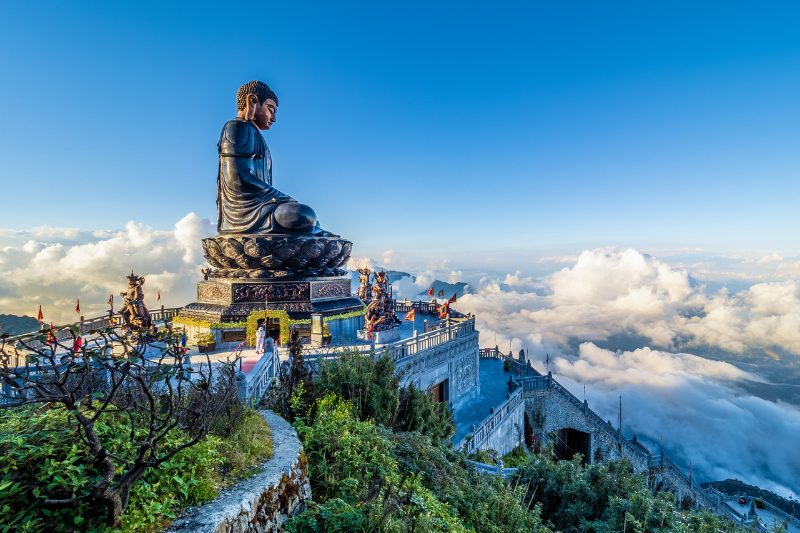
On Yen Tu Mountain in Quang Ninh Province, this sacred site is the birthplace of the Truc Lam Zen school founded by King Tran Nhan Tong in the 13th century. A path and cable cars lead past pagodas and ancient towers to the Bronze Pagoda at about 1,068 m, with views over the clouds. It is a true pilgrimage for Buddhist visitors.
- Location: Yen Tu, Quang Ninh Province
- Opening hours: about 7:00 AM – 6:00 PM
Note: spring is the best time to visit, when the Yen Tu Festival is held; avoid the first days of the festival if you dislike crowds.
One Pillar Pagoda

Rising from a single pillar in a lotus pond, the One Pillar Pagoda was first built in 1049 under the Ly dynasty and is one of the symbols of Hanoi. Its shape, like a lotus rising from the water, is instantly meaningful to Indian visitors. It is next to the Ho Chi Minh Mausoleum, so it is easy to include in a Hanoi city tour.
- Location: Chua Mot Cot Street, Ba Dinh, Hanoi
- Opening hours: about 7:00 AM – 6:00 PM
More pagodas worth visiting
In Da Lat, the mosaic-covered linh phuoc pagoda is famous for its dragon made of glass bottles, and in the Mekong Delta, vinh trang pagoda near My Tho blends Asian and European styles with giant Buddha statues.
Tips for Visiting Temples in Vietnam
Dress modestly, remove shoes where asked, and be respectful during prayers.
- Dress code: cover shoulders and knees at all temples and pagodas.
- Shoes: remove them before entering Hindu temples and main Buddhist halls.
- Photography: usually allowed outside; ask before photographing people praying or inside shrines.
- Offerings: flowers, fruit and incense are welcome; donations are optional.
- Festivals: visits during Tet and pagoda festivals are colourful but crowded.
For more tips, read our ultimate Vietnam travel guide for Indian travelers.
Plan Your Temple Tour of Vietnam
Vietnamtour.in can build a spiritual itinerary covering Hindu, Cham and Buddhist sites, with vegetarian or Jain meals every day.
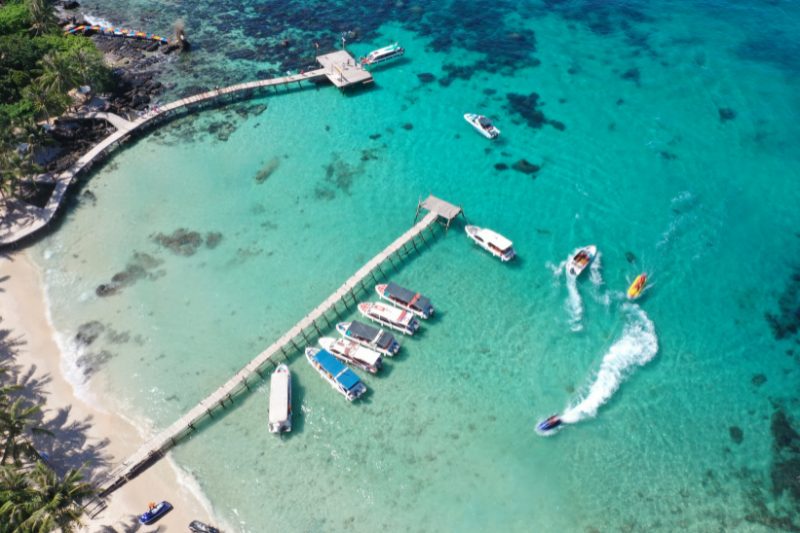
Travel in the festive season with our Diwali tour packages for Vietnam, choose vietnam tour packages from kochi or vietnam tour packages for couple from mumbai, add Angkor Wat on our vietnam cambodia tour packages from india, or relax afterwards with Phu Quoc tour packages from Vietnamtour.in.
Tell us your travel dates, group size and departure city in India. A Vietnamtour.in travel expert will plan a temple route that suits your faith and interests, arrange guides who explain the history, and organise vegetarian, Jain or Indian meals throughout your trip.
RELATED ARTICLES