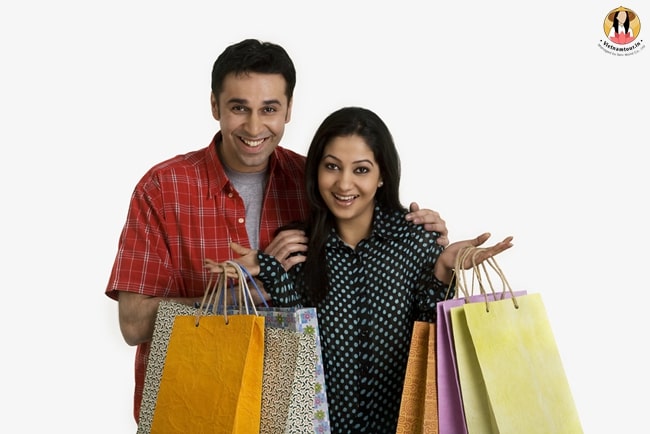
The best things to buy in Vietnam are coffee, lotus tea, silk, a custom Ao Dai, lacquerware and Bat Trang ceramics, and shopping in Vietnam saves about 40–70% on these compared with Indian retail prices. Most are light, gift-boxed souvenirs that pack easily for the flight home.
This guide covers 31 things to buy from Vietnam in 4 categories: food and drink, clothing and textiles, handicrafts, and skincare and health. Each product has its price in ₹ and VND and the best place to buy it in Hanoi, Hoi An or Ho Chi Minh City, followed by bargaining tips and India’s ₹75,000 duty-free limit.
So what is famous in vietnam to buy? Here are 10 of the best things to buy in Vietnam, picked from the 31 products in this guide for value, packing and gifting, are listed below.
| Product | Why buy it | Best place to buy | Typical price |
|---|---|---|---|
| Vietnamese coffee (G7, Trung Nguyen) | Strong Robusta, close to South Indian filter coffee | Supermarkets in any city | ₹138–₹400 a box or pack |
| Lotus tea | Lotus-scented green tea in a ready gift box | Hanoi | ₹325–₹3,000 a box |
| Silk fabric and scarves | About half the Indian price for silk | Hoi An, Hanoi | ₹800–₹3,000 a metre |
| Custom Ao Dai | Tailored to measure in 24–48 hours | Hoi An | ₹1,500–₹10,000 |
| Lacquerware | 10–25 hand-applied layers of resin | Hanoi Old Quarter | ₹500–₹8,000 |
| Bat Trang ceramics | Blue-and-white glazes at village prices | Bat Trang, near Hanoi | ₹600–₹1,700 a tea set |
| Silk paintings | Light and rollable, easy to carry | Hanoi, Hoi An | ₹800–₹5,000 |
| Non La conical hat | The classic Vietnam souvenir | Markets nationwide | ₹150–₹400 |
| Herbal oils and balms | Light, cheap and useful at home | Pharmacies, supermarkets | ₹80–₹250 |
| Cashews and coconut candy | Vegetarian food gifts | Supermarkets, Mekong Delta | Varies by weight |
Typical 2026 prices in Hanoi, Hoi An and Ho Chi Minh City. Each product is covered in detail in its category section below.
Vietnamese Food and Drink Products Best for Gifting
Food and drink are the most popular things to buy from Vietnam, led by coffee, tea, and packaged spices and sauces. They are light, pass Indian customs in personal-use quantities and are new to most families at home.
Vietnamese Coffee
Vietnamese coffee, the best-known Vietnam speciality to take home, comes in 3 types:
- G7 Instant Coffee (Trung Nguyen): ₹138–₹250 (~40,000–72,500 VND) per box of 15 sachets; the most popular gift, needs no equipment and is sold in every supermarket and airport.
- Trung Nguyen Ground Coffee: ₹380–₹400 (~110,200–116,000 VND) per 340–500 g pack; for homes with a filter or French press, with a Robusta-led blend.
- Ca Phe Chon (Weasel Coffee): ₹1,700 (~493,000 VND) per 100 g; the premium gift option, with lower bitterness.
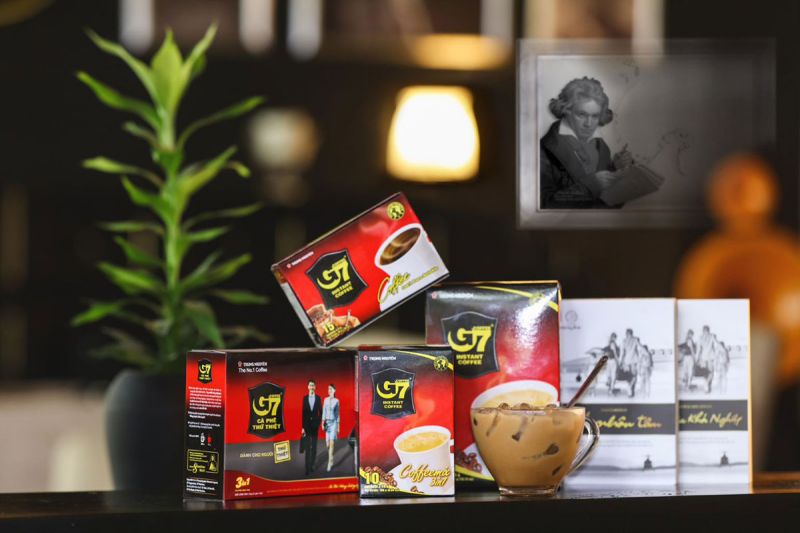
Vietnamese Robusta is stronger, darker and less acidic than Arabica, which brings it close to South Indian filter coffee, so anyone who drinks Bru or Cothas at home finds it familiar. Airport shops at Noi Bai (Hanoi) and Tan Son Nhat (Ho Chi Minh City) stock the same coffee at 15–25% more than city supermarkets such as GO! (formerly Big C) and Co.opMart.
Can Vietnamese coffee be taken to India? Yes, roasted and ground coffee is allowed in personal-use quantities, and it counts towards the ₹75,000 duty-free allowance covered in the customs section below.
Vietnamese Tea
Vietnam produces 3 teas with real novelty for anyone used to Assam or Darjeeling:
- Lotus Tea (Tra Sen): from about ₹325 for a lotus-scented gift box to ₹1,000–₹3,000 (~290,000–870,000 VND) for hand-scented premium grades; green tea perfumed with fresh lotus flowers.
- Da Lat Oolong: ₹800–₹1,000 (~232,000–290,000 VND) per 200 g; grown at about 1,500 m in the Central Highlands, with a mellow flavour.
- Artichoke Tea: ₹200–₹250 (~58,000–72,500 VND) per box; a herbal tea from Da Lat, popular with health-conscious buyers.
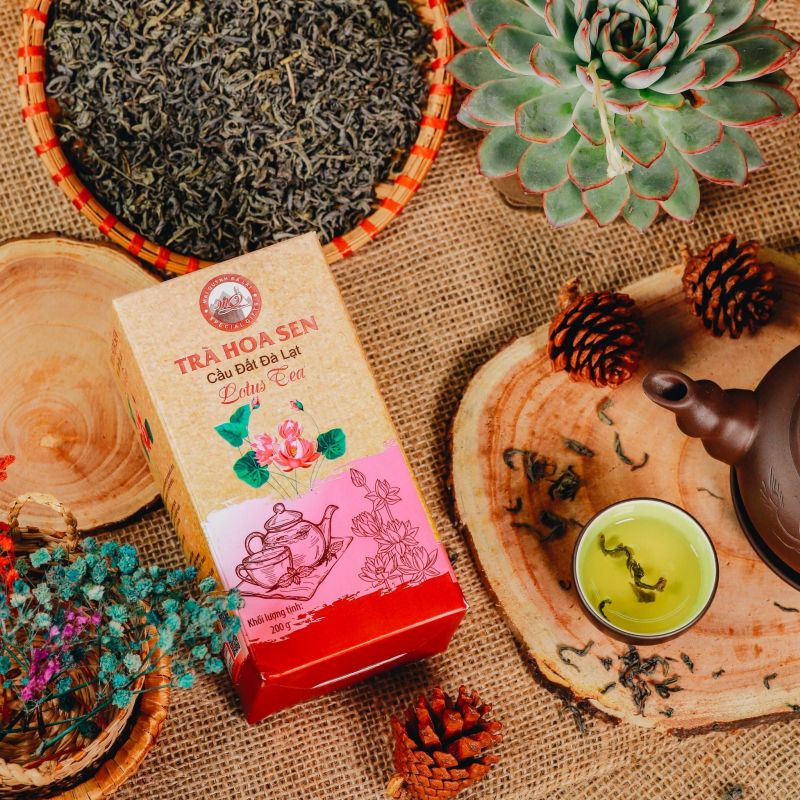
Vietnamese tea is sold in printed gift boxes that need no repacking, and the lotus aroma is nothing like masala chai, which makes it one of the most memorable gifts from Vietnam.
Vietnamese Spices and Sauces
Packaged Vietnamese sauces and food products are allowed into India in personal-use quantities, and the 3 most bought are:
- Phu Quoc Fish Sauce: ₹200–₹400 (~58,000–116,000 VND) per bottle; anchovies fermented on Phu Quoc Island, with an umami flavour that has no Indian equivalent.
- Chili Garlic Sauce: ₹80–₹120 (~23,200–34,800 VND) per bottle; thicker than Sriracha and hot enough for most Indian palates.
- Instant Pho Packets: ₹80–₹120 (~23,200–34,800 VND) per serving; rice noodle soup kits with dried broth.
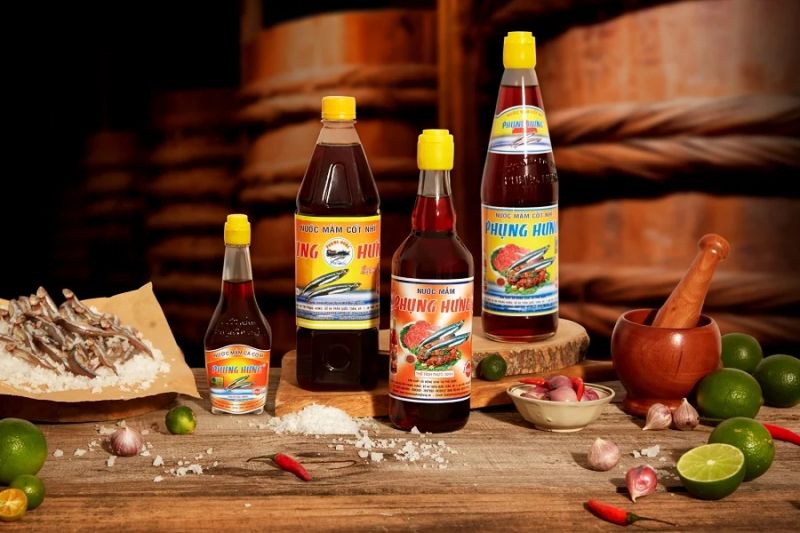
Fish sauce counts as a liquid, so cabin bags are limited to 100 ml containers and larger bottles go sealed and wrapped in checked baggage. Some airlines restrict fish sauce, so check the carrier’s rules before buying a large bottle.
Vegetarian note: rice crackers (banh trang), Ben Tre coconut candy and Vietnamese green tea contain no animal ingredients, while instant pho packets contain fish extract and do not suit strict vegetarians.
Beyond sauces, Vietnam is the world’s largest cashew exporter, and roasted cashews, Vinamit dried fruit, Ben Tre coconut candy and Marou chocolate are 4 vegetarian food gifts sold in supermarkets and airport shops.
- Cashews: salted, plain or roasted in their skins.
- Vinamit dried fruit: jackfruit and mixed fruit chips that travel well.
- Ben Tre coconut candy: individually wrapped, from the Mekong Delta.
- Marou chocolate: single-origin bars from a Ho Chi Minh City maker using Vietnamese cacao.
Prices vary by weight and shop, and supermarkets are cheaper than airport stores for all 4.
Vietnamese Clothing and Textiles
The clothing and textile things to buy in Vietnam are silk fabric, a custom Ao Dai and embroidered home textiles. Fast tailoring, good silk and prices below Indian equivalents make this the highest-spend category for many women travellers.
Vietnamese Silk
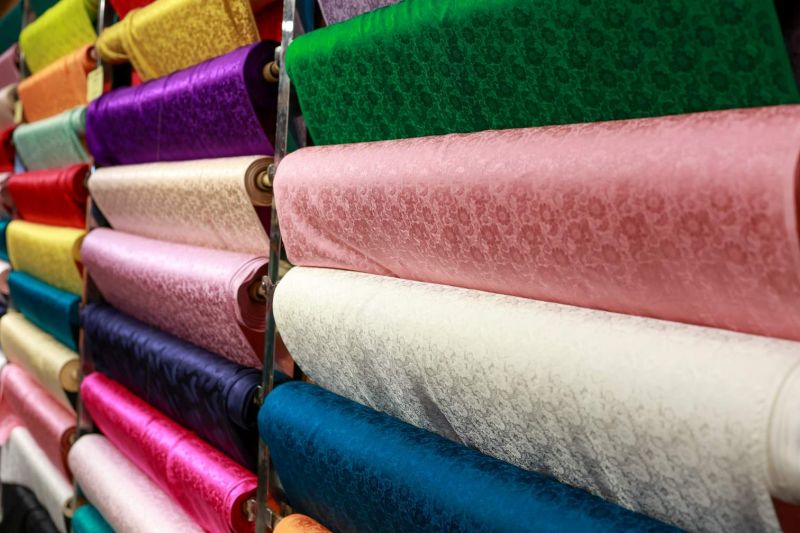
Genuine Vietnamese silk costs ₹800–₹3,000 (~232,000–870,000 VND) per metre in Hoi An’s silk and tailoring shops, the benchmark location for silk prices in Vietnam.
3 tests check whether silk is genuine:
- Burn test: genuine silk burns like hair, chars, self-extinguishes and smells of protein, while synthetic fabric melts, smokes black and leaves a hard residue.
- Ring test: real silk slides through a finger ring smoothly, while polyester snags.
- Price test: genuine silk is not sold below ₹350 (~101,500 VND) per metre anywhere in Vietnam, so a lower price means synthetic fabric.
Opening prices in silk shops are typically 30–40% above the final price, so comparing at least 3 shops pays off. The guide to things to buy in Hoi An lists the town’s silk, lantern and leather shops in more detail.
Custom Ao Dai in Hoi An
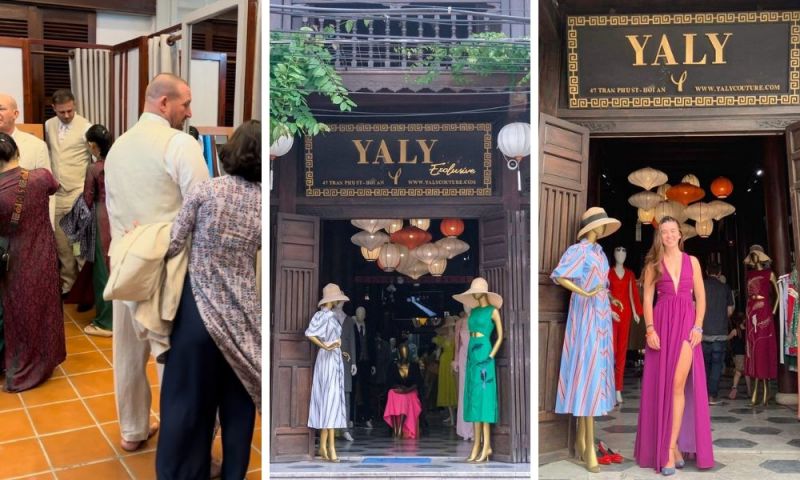
Hoi An tailors make a custom Ao Dai in 24–48 hours, with fabric and labour together costing ₹1,500–₹10,000 (~435,000–2,900,000 VND) depending on the fabric and design. Hundreds of tailoring shops line the streets around the old town, which makes Hoi An Vietnam’s best-known place for made-to-measure clothing.
The Ao Dai, a fitted tunic over wide-leg trousers, wears much like a fitted salwar kameez, and its history and regional styles appear in the guide to traditional costumes in Vietnam. Vietnamese sizing runs small, so asking for 1–2 sizes larger than usual avoids a tight fit.
For the fitting, bring a reference garment or photo and book at least 1 fitting session. Most Hoi An tailors offer free alterations within 24 hours of collection, so the stay needs 2 nights to allow for it.
Embroidered Textiles and Non La Hats
Vietnam’s textiles offer 3 practical buys beyond clothing:
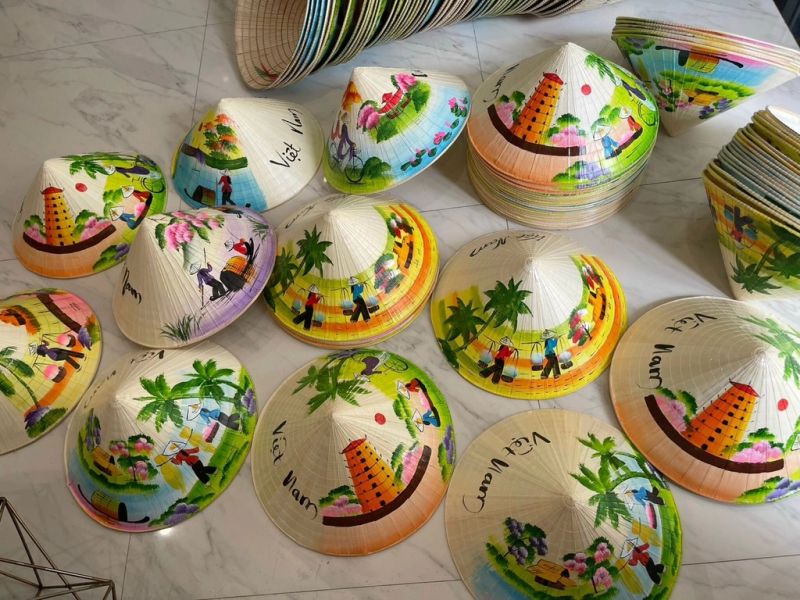
- Non La (conical hat): ₹150–₹400 (~43,500–116,000 VND); a palm-leaf hat bought mainly as a decorative souvenir.
- Embroidered tablecloths: ₹800–₹2,000 (~232,000–580,000 VND); hand-stitched silk or cotton that fits standard Indian dining tables.
- Embroidered or brocade fabric (3–5 metres): ₹1,200–₹3,000 (~348,000–870,000 VND); usable by Indian tailors for blouses, kurtas or dupattas.
Hand-woven Hmong and Red Dao embroidery and indigo-dyed cloth from the northern mountains are covered in the guide on what to buy in Sapa.
Vietnamese Handicrafts and Home Décor for Indian Homes
Handicrafts are the longest-lasting things to buy in Vietnam, and they fall into 4 types: lacquerware, Bat Trang ceramics, bamboo and rattan crafts, and paintings. Each has its own price range, fragility and packing needs.
Vietnamese Lacquerware
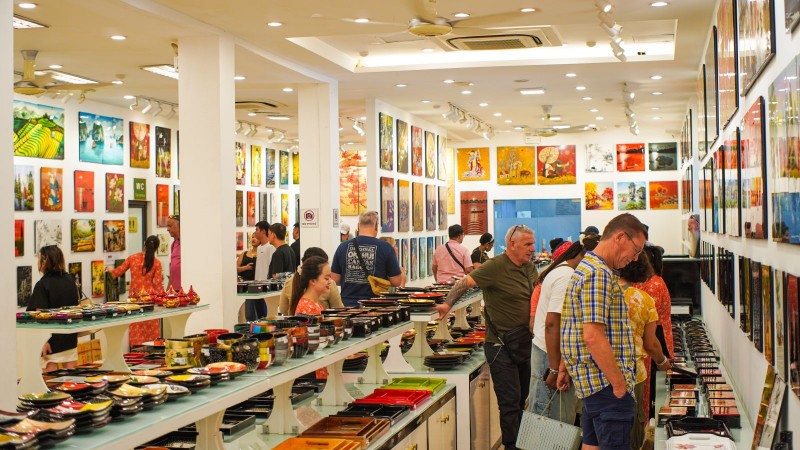
Genuine Vietnamese lacquerware is built from 10–25 hand-applied layers of tree resin (son ta), each needing about 24 hours to dry, so a 25-layer piece takes over 3 weeks to make.
Price ranges by item: bowls ₹500–₹1,500 (~145,000–435,000 VND), serving trays ₹800–₹2,500 (~232,000–725,000 VND) and decorative wall panels ₹3,000–₹8,000 (~870,000–2,320,000 VND).
Quality check: heavier pieces carry more resin layers, and a knock test separates real lacquer, which gives a resonant, slightly hollow tone, from plastic, which gives a sharp tap. Hang Khay Street in Hanoi’s Old Quarter is the place to compare at least 3 shops.
Bat Trang Ceramics
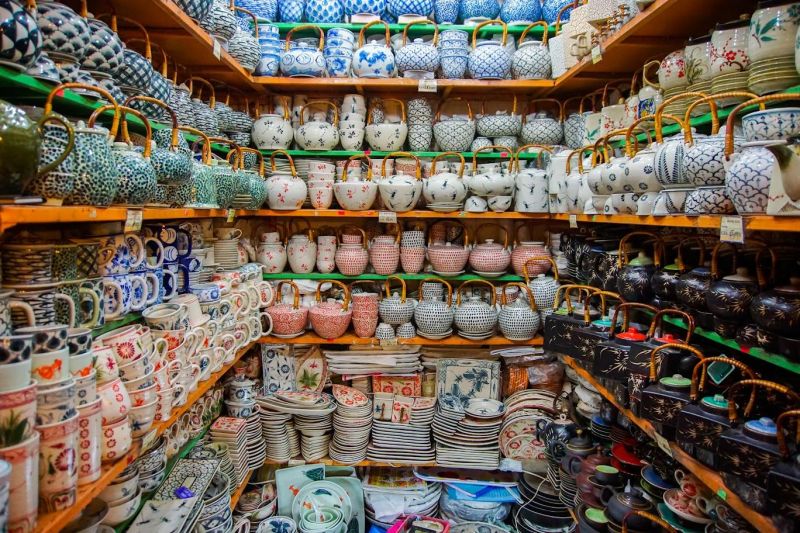
Bat Trang village, about 30 minutes from Hanoi’s Old Quarter, has 300+ ceramic workshops that sell direct at 40–60% below Old Quarter shop prices. A tea set costs ₹600–₹1,700 (~174,000–493,000 VND) in the village against ₹1,500–₹3,500 (~435,000–1,015,000 VND) for the same pieces in tourist shops.
Bat Trang’s blue-and-white glazes look much like Jaipur blue pottery, which makes them easy to place in an Indian home. Workshop visits are free, and most let visitors watch the throwing and glazing.
Buying in the village saves about ₹900–₹1,800 (~261,000–522,000 VND) per tea set against Old Quarter prices, with a far wider choice of patterns and sizes.
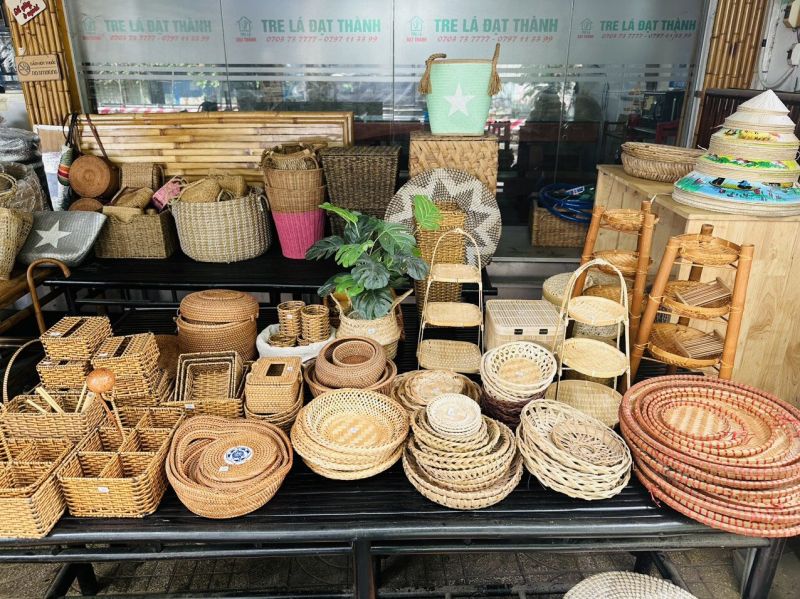
Bamboo, Rattan, and Wood Crafts
3 bamboo and wood items pack easily and survive the flight home:
- Folded bamboo fans: ₹100–₹300 (~29,000–87,000 VND); flat, unbreakable and cabin-friendly under 30 cm.
- Small rattan baskets: ₹200–₹600 (~58,000–174,000 VND); light, and they nest inside each other.
- Carved wooden chopstick sets: ₹150–₹400 (~43,500–116,000 VND); sold in gift boxes.
Allowing 2–3 kg of checked baggage covers most handicraft shopping; the baggage FAQ below has packing tips.
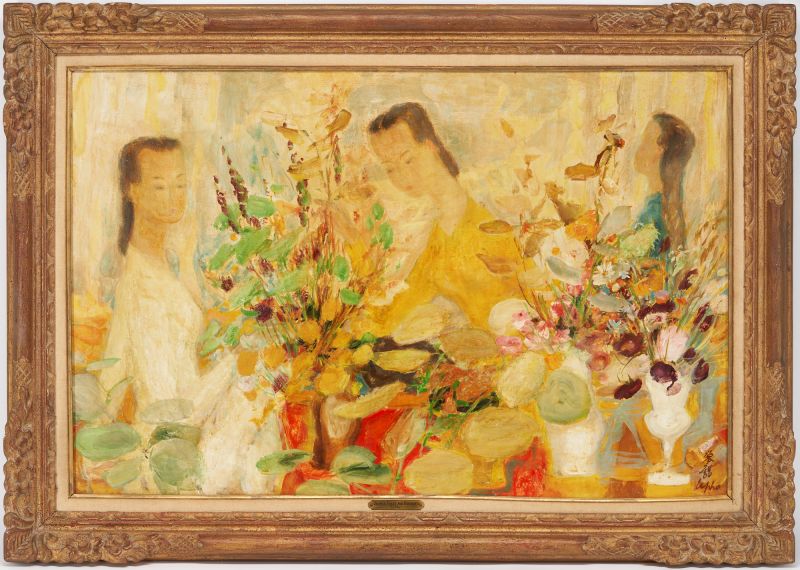
Silk Paintings vs. Oil Paintings
Silk paintings make a better souvenir than oil paintings on weight, transport and price.
| Criterion | Silk painting | Oil painting |
|---|---|---|
| Weight | 100–300 g | 2–5 kg |
| Transport | Rolls into a tube | Needs a rigid frame |
| Price | ₹800–₹5,000 (~232,000–1,450,000 VND) | ₹2,000–₹15,000 (~580,000–4,350,000 VND) |
The oil paintings in Hoi An and Hanoi galleries are often high quality, but their bulk makes them hard to fit into an economy baggage allowance. Silk paintings from 30 × 40 cm to 60 × 90 cm fit standard Indian picture frames without custom framing.
Vietnamese Skincare and Health Products Worth Buying
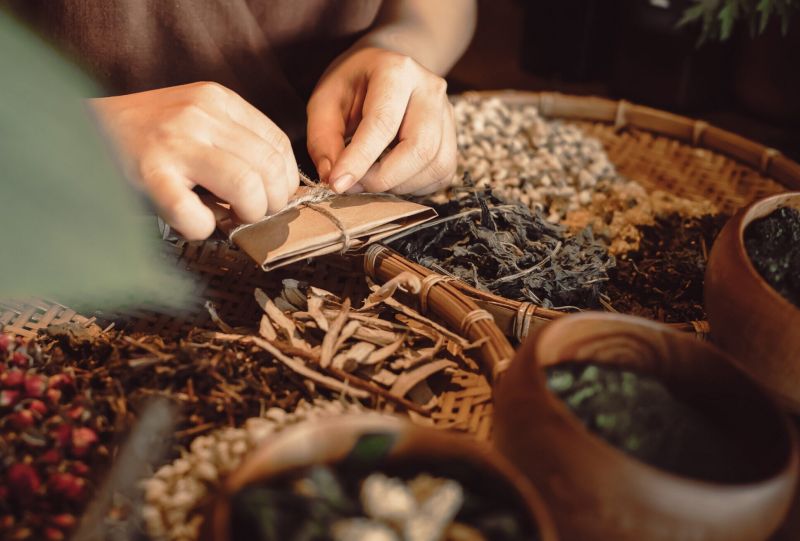
Herbal and natural beauty products are the lightest things to buy in Vietnam: most items weigh under 200 g and cost ₹80–₹500 (~23,200–145,000 VND).
Vietnamese Herbal Oils and Balms
3 Vietnamese herbal products are popular, light and easy to pack:
- Star anise warming oil: ₹150–₹250 (~43,500–72,500 VND) per bottle; topical relief for aches, much like an Indian pain balm.
- Ginger warming oil: ₹150–₹200 (~43,500–58,000 VND) per bottle; used for colds and blocked sinuses.
- Hoa Linh peppermint headache balm: ₹80–₹120 (~23,200–34,800 VND) per tube; similar to Tiger Balm or Amrutanjan, with a stronger menthol hit.
Herbal oils and balms in personal-use quantities fall within India’s general duty-free allowance.
Vietnamese Coconut and Natural Beauty Products
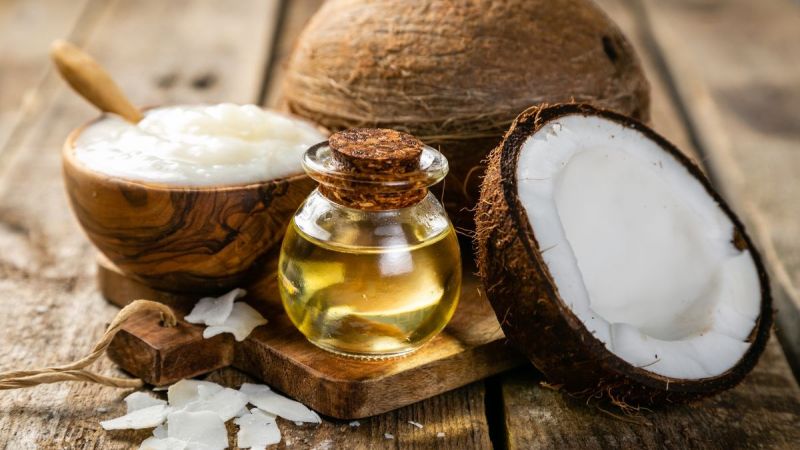
Vietnamese coconut and natural beauty products cost about 30–40% less than comparable Indian premium brands:
- Cold-pressed coconut oil (500 ml): ₹250–₹500 (~72,500–145,000 VND) in Vietnamese supermarkets, against ₹400–₹700 for Indian premium brands such as KLF Nirmal or Parachute Advansed Gold.
- Rice water shampoo (300 ml): ₹200–₹350 (~58,000–101,500 VND); rarely found in India at this price.
WinMart and Co.opMart supermarkets sell these at 20–25% below airport shops and 15–20% below hotel-area pharmacies.
Vietnam vs. India Price Comparison and Shopping Budget
Vietnam shopping prices run about 40–70% below Indian retail for local products, and a gifts-only budget starts at about ₹5,000. The figures below reflect 2026 market rates in Hanoi, Hoi An and Ho Chi Minh City.
Vietnam vs. India Price Comparison Table
Vietnamese coffee, silk, lacquerware, ceramics, custom tailoring, silk paintings and herbal balms are all cheaper in Vietnam than in India, by about 40–70% on the 10 products below.
The cheaper brands are Vietnamese ones: Trung Nguyen and G7 coffee cost less than half their imported price in India, while Vinamit dried fruit and Marou chocolate are rarely sold in India at all. International brands are not reliably cheaper in Vietnam, so the savings come from local products.
| Product | Avg Vietnam price (INR) | Avg Vietnam price (VND) | Avg India price (INR) | Saving |
|---|---|---|---|---|
| Vietnamese coffee (250 g ground) | ₹350 | 101,500 | ₹900 | 61% |
| Silk fabric (per metre) | ₹800 | 232,000 | ₹1,800 | 55% |
| Lacquerware bowl | ₹900 | 261,000 | ₹2,500 | 64% |
| Bat Trang ceramic tea set | ₹1,200 | 348,000 | ₹3,000 | 60% |
| Cold-pressed coconut oil (500 ml) | ₹350 | 101,500 | ₹600 | 42% |
| Hoa Linh herbal balm (tube) | ₹100 | 29,000 | ₹250 | 60% |
| Ao Dai custom tailoring | ₹2,500 | 725,000 | ₹7,000 | 64% |
| Vietnamese lotus tea (gift box) | ₹325 | 94,250 | ₹800 | 59% |
| Bamboo rattan basket | ₹400 | 116,000 | ₹900 | 56% |
| Silk painting (40 × 60 cm) | ₹1,500 | 435,000 | ₹4,500 | 67% |
Shopping Budget Tiers
A Vietnam shopping budget falls into 3 tiers:
- Gifts only: ₹5,000–₹10,000 (~1,450,000–2,900,000 VND) in total, covering 4–5 boxes of coffee, 3–4 boxes of tea and 2–3 small handicrafts.
- Gifts and personal items: ₹25,000–₹35,000 (~7,250,000–10,150,000 VND), adding 2–3 metres of silk, 1 Ao Dai and some ceramics.
- Gifts-heavy or luxury: ₹50,000–₹100,000 (~14,500,000–29,000,000 VND), adding a full Ao Dai and fabric order, a lacquerware set, ceramics, paintings and premium coffee.
Hoi An takes the largest share of most budgets for tailoring, Hanoi is the main source of silk, lacquerware and coffee, and Ho Chi Minh City has the widest range of markets and fashion. Budgets above ₹75,000 cross India’s duty-free limit.
India’s Customs Duty-Free Limit for Goods Bought in Vietnam
Indian residents returning by air or sea can bring ₹75,000 of goods bought abroad duty-free under the Baggage Rules 2026, in force since 2 February 2026 and up from ₹50,000. Foreign tourists have a ₹25,000 allowance.
- Above the limit: 10% basic customs duty applies to the excess value from 1 April 2026, and surcharges may be added.
- Gold jewellery: assessed by weight; after more than 1 year abroad, women may bring 40 g and other passengers 20 g duty-free.
- Laptops: 1 new laptop is duty-free for passengers aged 18 and over.
- Land arrivals: no general allowance; only used personal effects.
Keep all receipts, and declare goods above ₹75,000 at the Red Channel or through the ATITHI app rather than risk a penalty at the Green Channel. Rules can change, so the current rate is worth checking on the CBIC traveller guide before flying.
Shopping goes further when the itinerary leaves 2 nights in Hoi An for tailoring, a half day for Bat Trang and an evening for a night market. Share the travel dates in the form below, and a local expert at Vietnamtour.in will build the shopping stops into a private route with vegetarian or Jain meals arranged in advance.
Where to Buy Authentic Vietnamese Products
Shopping in Vietnam happens in 3 main places: night markets, specialty shops and airport duty-free, each with different prices, authenticity and opening hours. The full city-by-city list of markets in Vietnam covers opening hours and what each market specialises in.
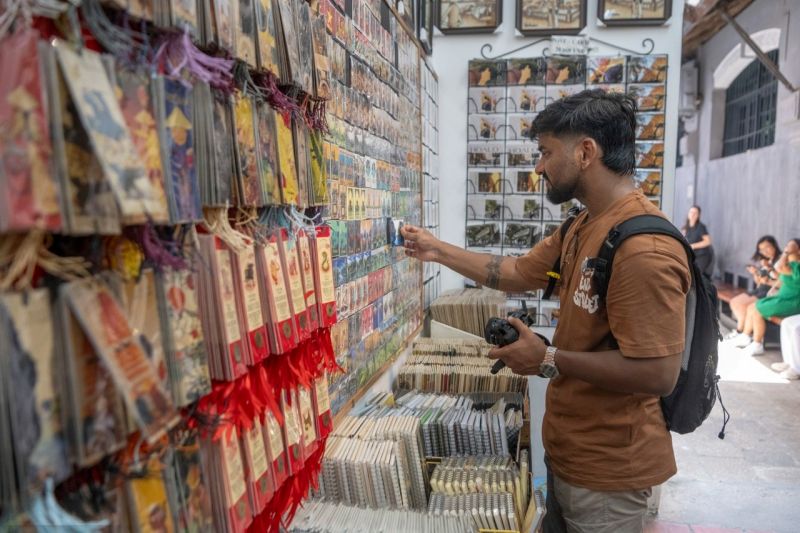
Night Markets vs. Specialty Shops vs. Airport Duty-Free
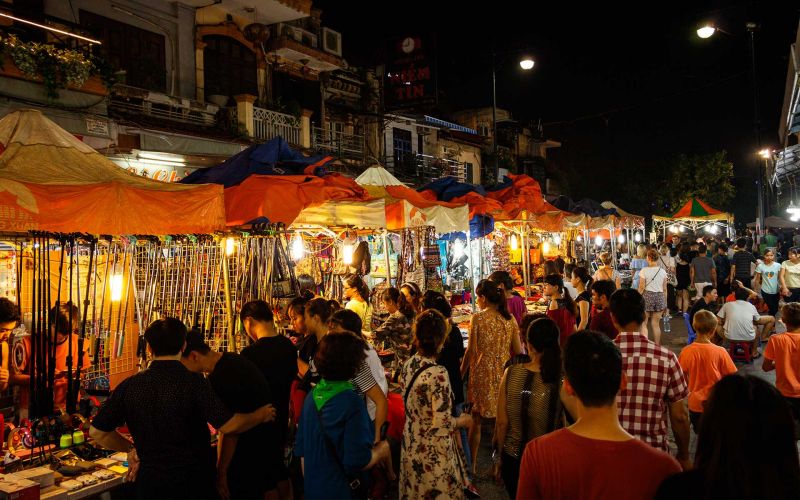
Night markets are 20–40% cheaper than specialty shops, but bargaining is expected and silk needs the burn and ring tests. The main Vietnam night markets for shopping are:
- Hanoi: the weekend night market on Hang Dao Street, Friday to Sunday from about 7 PM to 11 PM.
- Hoi An: the night market on Nguyen Hoang Street, daily from about 5 PM to 11 PM; the town’s other markets in Hoi An cover fabric and food.
- Da Nang: the Son Tra night market near the Dragon Bridge, while daytime Han Market sells coffee, cashews, dried goods and Ao Dai fabric.
- Ho Chi Minh City: the night market around Ben Thanh Market, daily until late.
| Criterion | Night market | Specialty shop | Airport duty-free |
|---|---|---|---|
| Price level | Lowest (negotiable) | Mid (fixed) | Highest (+15–25%) |
| Authenticity | Variable | Guaranteed | Guaranteed |
| Bargaining | Expected | Not accepted | Not accepted |
| Opening hours | Evenings, about 5 PM to midnight | About 9 AM–9 PM | Flight hours |
| English-speaking staff | Limited | Yes | Yes |
Night markets give the best value for food gifts and small handicrafts. Ben Tre coconut candy and fresh tropical fruit are also sold across the Mekong Delta, where the floating markets in Vietnam trade from boats in the early morning.
Airport Duty-Free
Airport duty-free at Noi Bai (Hanoi) and Tan Son Nhat (Ho Chi Minh City) is worth it for 3 last-minute buys.
- Trung Nguyen premium coffee gift sets: ₹350–₹500 (~101,500–145,000 VND).
- Vietnamese tea gift boxes: ₹400–₹600 (~116,000–174,000 VND).
- Phu Quoc fish sauce travel sets: ₹280–₹350 (~81,200–101,500 VND).
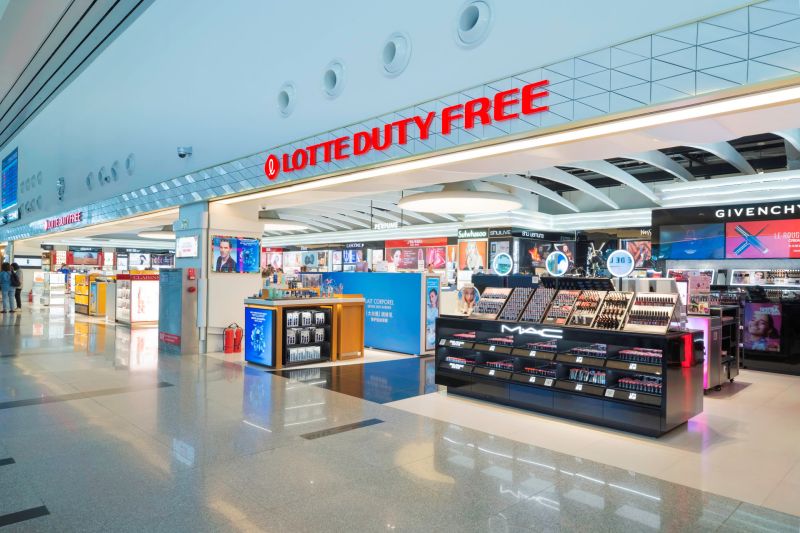
Airport prices run 15–25% above city supermarkets, so coffee, tea and sauces are better bought in the city, with the airport kept for anything missed. Da Nang International Airport has a smaller duty-free selection than Hanoi or Ho Chi Minh City, so shopping there is best finished in the city.
Bargaining at Vietnamese Markets for Indian Tourists
Bargaining at Vietnamese markets follows a predictable pattern that feels familiar from Indian bazaars, with one difference: vendors rarely accept the first counter-offer but usually respond to a polite walk-away.
Standard Bargaining Range at Vietnam Night Markets
Opening prices at Vietnam night markets are often 2–3 times the fair price, so a counter-offer of 40–50% of the asking price is the usual starting point, lower than the 60–70% common in Indian bazaars.
Walking away after a final offer is declined usually brings the vendor back with a lower price, especially for silk scarves, embroidery, bamboo crafts and paintings in Hanoi, Hoi An and Ho Chi Minh City. Bargaining is not accepted at official brand stores, clearly marked fixed-price shops or airport stores.
VND Cash Requirement and Payment Methods Accepted at Vietnamese Markets
Vietnamese night markets accept cash only in Vietnamese dong (VND), and market vendors do not accept UPI or Indian cards.
Specialty shops and malls take Visa and Mastercard, so confirming card acceptance before choosing items saves time at the till. Airport exchange counters run about 3–5% worse than city bank branches such as Vietcombank and BIDV, so change only a small amount on arrival. About ₹10,000–₹15,000 in VND covers most market visits.
Scam Products Indian Tourists Avoid in Vietnam
3 product types carry the highest scam risk in Vietnam: fake silk sold as genuine, counterfeit branded goods and overpriced Old Quarter ceramics. The prices in this guide work as benchmarks for spotting inflated tourist prices.
Fake Silk and Counterfeit Product Warning Signs
Fake silk is caught by the burn, ring and price tests in the silk section above, and fabric priced below ₹350 (~101,500 VND) per metre is synthetic. Each test takes under 30 seconds at the stall.
Counterfeit branded goods, such as fake Nike, Adidas or Apple accessories, can be confiscated by Indian customs on arrival, and the money cannot be recovered.
Overpriced Old Quarter Ceramics: Actual Source Prices
Hanoi Old Quarter shops can charge 2–3 times the Bat Trang village price for identical ceramics. A tea set at ₹3,500 (~1,015,000 VND) in the Old Quarter costs ₹600–₹1,700 (~174,000–493,000 VND) in Bat Trang, so the 30-minute drive saves ₹1,800–₹2,900 per set.
Vietnam Shopping FAQ for Indian Tourists
Can Indian Tourists Use Indian Rupees in Vietnam?
No, Indian rupees are not accepted anywhere in Vietnam, where the currency is the Vietnamese dong (VND). The 2026 rate is about 1 INR = 290 VND. US dollars are taken in some tourist shops but give worse value than paying in VND, and hotel exchange desks run 5–8% below bank rates. Notes of 50,000 VND (~₹170) and 100,000 VND (~₹345) are the most useful at markets.
What Is the Baggage Allowance for Shopping Items on Indian Carriers Flying Vietnam?
Checked baggage depends on the airline and fare, so checking the ticket before shopping avoids excess fees at the airport. Full-service carriers such as Vietnam Airlines and Air India usually include checked baggage, while VietJet and some IndiGo fares sell it as an add-on. Extra kilos cost less when bought online before the flight than at the airport counter.
Fragile items such as lacquerware, ceramics and framed paintings travel best in the cabin bag, wrapped in clothing. Starting with shopping in Hanoi, where silk, lacquerware and coffee are cheapest, leaves the most baggage space for Hoi An’s tailoring later in the trip.
What is Vietnam famous for to buy?
Vietnam is famous for its coffee, lotus tea, silk, custom Ao Dai, lacquerware and Bat Trang ceramics. Hanoi is best for lacquerware, ceramics and coffee, Hoi An for silk and tailoring, and Ho Chi Minh City for the widest range of markets.
What to buy from Vietnam to India as gifts?
The best gifts to buy from Vietnam to India are G7 coffee, lotus tea, silk scarves, lacquerware boxes, Bat Trang tea sets and herbal balms. All are allowed through Indian customs in personal-use quantities within the ₹75,000 duty-free limit, and the coffee and tea come gift-boxed.
What can you buy in Vietnam with 1 rupee?
Nothing on its own, because ₹1 is worth only a few hundred dong and the smallest note in everyday use is 1,000 VND. Around ₹100 covers a street banh mi or an iced coffee from a local stall, while most souvenirs in this guide start from about ₹80.
What to buy in Vietnam for women?
The most popular buys for women are a custom Ao Dai, silk scarves and fabric, embroidered textiles, lotus tea and natural beauty products such as coconut oil and rice water shampoo. Hoi An is the place for tailoring and silk, and Hanoi for lacquerware jewellery boxes and embroidery.
Vietnam Shopping Delivers 40–70% Savings Across 31 Products for Indian Travellers
The best things to buy from Vietnam cost about 40–70% less than at home, and 5 steps keep the shopping smooth.
- Before flying: check the checked-baggage allowance on the ticket.
- Hanoi: buy coffee, lotus tea and lacquerware, and visit Bat Trang for ceramics.
- Hoi An: order a custom Ao Dai on the first day and allow 2 nights for fittings.
- Night markets: carry VND cash and start bargaining at 40–50% of the asking price.
- Flight home: keep receipts and declare anything above ₹75,000.
Visa, currency and flight planning are covered in the guide on how to travel Vietnam from India. Every best Vietnam tour package from Vietnamtour.in can set aside time for Hanoi’s Old Quarter, Hoi An’s tailors and Ho Chi Minh City’s markets.
Cheap Vietnamese Souvenirs Under ₹500
The best cheap Vietnam souvenirs under ₹500 are G7 coffee, herbal balms, bamboo fans, chopstick sets, Non La hats and chili garlic sauce. All of these souvenirs from Vietnam are light enough to buy in bulk for family and colleagues.
| Souvenir | Price | Good to know |
|---|---|---|
| G7 instant coffee (15 sachets) | ₹138–₹250 | The easiest coffee gift; no equipment needed |
| Herbal balm (tube) | ₹80–₹120 | Pocket-sized |
| Chili garlic sauce (bottle) | ₹80–₹120 | Pack in checked baggage |
| Bamboo fan | ₹100–₹300 | Flat and unbreakable |
| Wooden chopstick set | ₹150–₹400 | Sold gift-boxed |
| Non La conical hat | ₹150–₹400 | Bulky, so carry it by hand |
| Star anise or ginger oil | ₹150–₹250 | Small bottles |
| Artichoke tea (box) | ₹200–₹250 | Herbal tea from Da Lat |
| Small rattan basket | From ₹200 | Nests inside a bag for packing |
RELATED ARTICLES


RECOMMENDED VIETNAM TOURS
Ho Chi Minh City · Mekong Delta · Da Nang · Hoi An
Hanoi · Ninh Binh · Sapa · Halong Bay · Da Nang · Hoi An
Phnom Penh · Siem Reap · Da Nang · Hoi An · Hanoi · Halong Bay

Hanoi · Halong Bay · Da Nang · Hoi An · Phu Quoc
Hanoi · Halong Bay · Da Nang · Hoi An · Phu Quoc
Hanoi · Halong Bay · Da Nang · Hoi An · Ho Chi Minh City · Mekong Delta

Hanoi · Ninh Binh · Halong Bay · Da Nang · Hoi An · Phu Quoc · Ho Chi Minh City · Mekong Delta

Da Nang · Phu Quoc