Transportation in Vietnam comes down to four choices for most travellers: ride-hailing apps such as Grab inside cities, public buses and the new metro lines in Hanoi and Ho Chi Minh City, domestic flights between regions, and trains, limousine vans or private cars for shorter hops. Motorbikes are by far the most common transport in Vietnam for locals, but for visitors from India, Grab, flights and a private car with driver are the safest and simplest way to get around.
This 2026 guide covers public transport in Vietnam, local transport within cities, how to travel between cities, typical fares in VND and rupees, and the rules Indian travellers should know before renting a scooter.
The table below compares the main types of transport in Vietnam, what each is best for and what it costs as of October 2026 (converted at about 295 VND to ₹1).
| Transport | Best for | Typical cost (2026) |
|---|---|---|
| Grab, Be, Xanh SM (car) | Getting around cities | 50,000–80,000 VND for 5 km (about ₹170–270) |
| Grab, Be, Xanh SM (motorbike) | Short solo rides in traffic | 15,000–30,000 VND for 5 km (about ₹50–100) |
| City bus | Budget travel in Hanoi and Ho Chi Minh City | 8,000–20,000 VND per ride (about ₹27–70) |
| Metro | Fixed routes in Hanoi and Ho Chi Minh City | 7,000–20,000 VND per ride |
| Domestic flight | Long distances, e.g. Hanoi to Ho Chi Minh City | From about 1,000,000 VND one way (about ₹3,400), more at peak times |
| Reunification Express train | Scenic coastal stretches | 550,000–700,000 VND for a 4-berth soft sleeper on Hanoi–Hue or Da Nang–Nha Trang |
| Limousine van or intercity bus | Trips of 1 to 4 hours between nearby cities | 100,000–300,000 VND (about ₹340–1,000) |
| Private car with driver | Families, seniors and groups | About 1,000,000–1,500,000 VND per day (about ₹3,400–5,100) |
App fares are indicative and change with time of day and demand, so always check the price shown in the app before you book.
What Is The Most Common Transportation In Vietnam?
The motorbike is the most common transportation in Vietnam: locals use scooters for commuting, school runs and deliveries, and motorbikes far outnumber cars on the roads of Hanoi and Ho Chi Minh City. They are cheap to run, easy to park and quick in heavy traffic, which is why entire families are often seen riding on one scooter.
For tourists, the picture is different. The most common way visitors get around is a mix of ride-hailing apps inside cities and domestic flights between regions, with trains, limousine vans and private cars filling the gaps. Riding a motorbike yourself is possible, but the licence rules for Indian travellers explained below make it the riskiest choice.
Public Transport In Vietnam
Public transport in Vietnam is cheap and improving fast: Hanoi and Ho Chi Minh City both run large city bus networks and, since December 2024, both cities have working metro lines. Outside these two cities, public transport is limited to local buses, so most travellers switch to Grab or taxis in places like Da Nang, Hoi An and Nha Trang.
Public buses
City buses are the cheapest form of public transportation in Vietnam, with Hanoi fares of 8,000 VND for routes under 15 km and up to 20,000 VND for routes over 40 km. Ho Chi Minh City fares are in the same range, and most buses are air-conditioned, with route numbers and main stops shown in both Vietnamese and English.
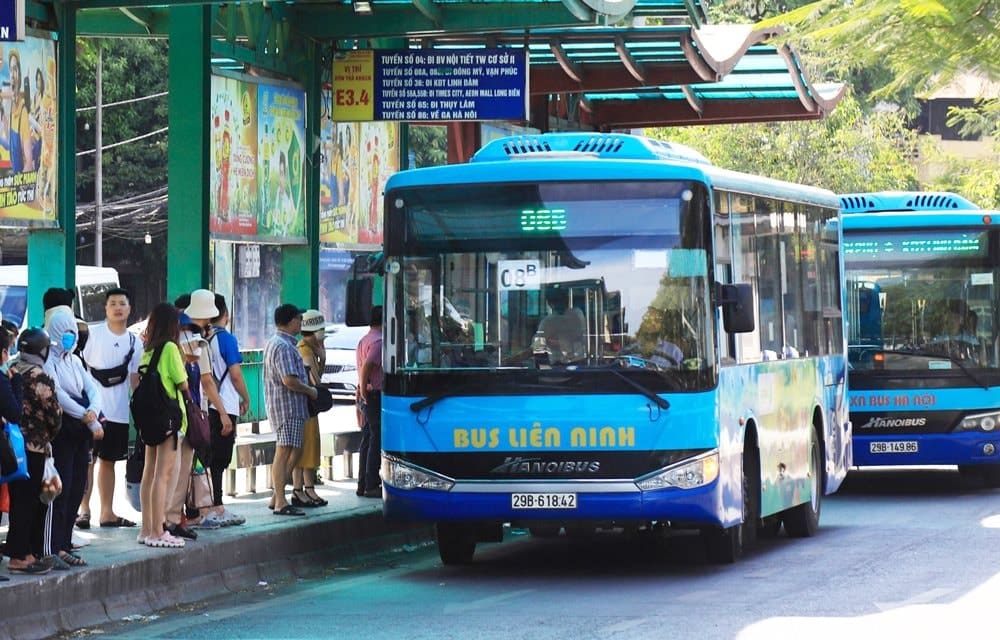
To navigate the system easily, travellers can use apps like BusMap or Google Maps for live tracking and route planning. Pay the conductor in cash with small notes. Buses are slow during peak hours, from 7:30 to 9 AM and 4:30 to 6:30 PM, but they offer a glimpse into local daily life and are an eco-friendly choice.
Metro in Hanoi and Ho Chi Minh City
Hanoi runs two elevated metro lines and Ho Chi Minh City runs one, with single fares between 7,000 and 20,000 VND depending on distance. In Hanoi, Line 2A links Cat Linh with Ha Dong over 13.1 km, and Line 3 runs 8.5 km from Nhon to Cau Giay; the underground section to Hanoi Railway Station is still being built. In Ho Chi Minh City, Metro Line 1 opened on 22 December 2024 and runs 19.7 km from Ben Thanh Market to Suoi Tien theme park, with 14 stations.
The metro is the newest part of Vietnam public transport: clean, punctual and air-conditioned, and Line 1 in Ho Chi Minh City is the quickest way to reach Suoi Tien and the eastern districts without traffic. Hanoi also sells a one-day pass for 40,000 VND. Neither city’s metro reaches the airport yet.
Bicycles and bike-sharing
Bicycles are rented for 30,000 to 50,000 VND per day from hotels and shops, and Hanoi also has an app-based bike-sharing system with docks across the city centre. Though cycling is not a popular form of transportation in Vietnam, it is an enjoyable way to explore quieter areas, parks and historical neighbourhoods.
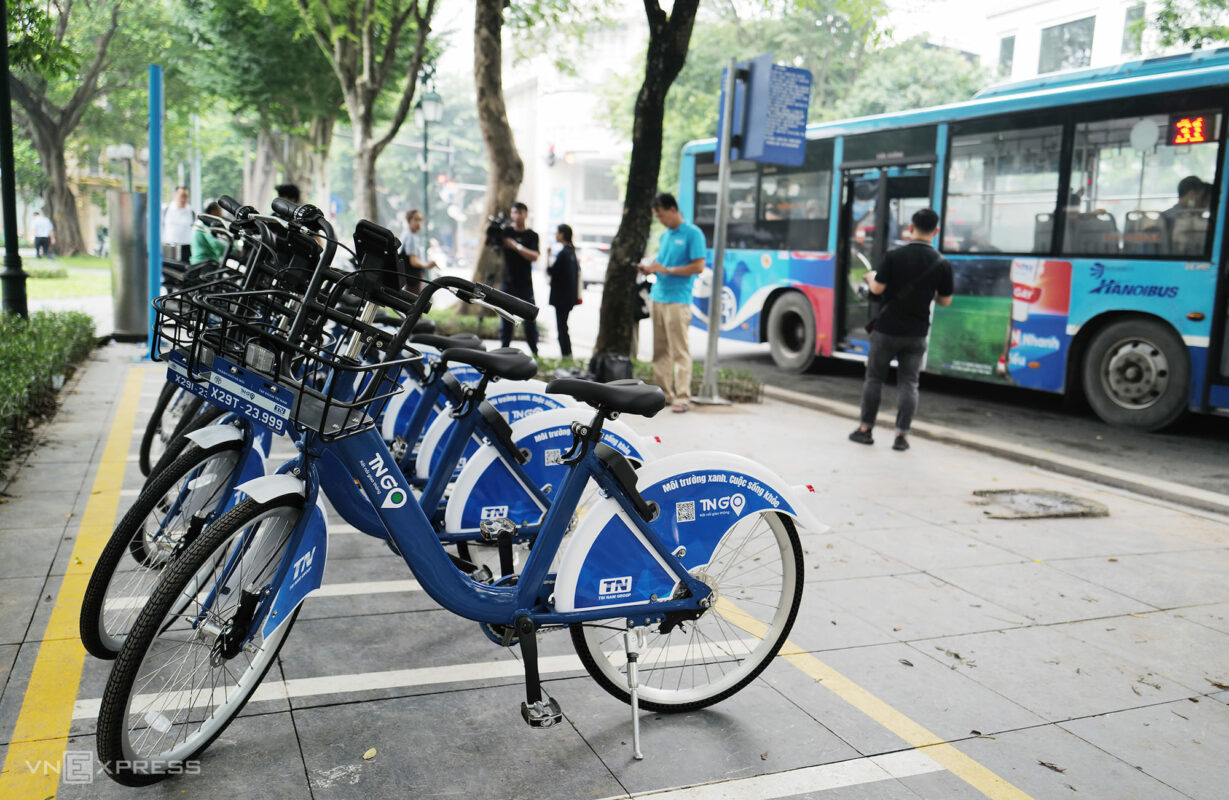
Hoi An, Hue and the area around West Lake in Hanoi are the best places to cycle thanks to calmer traffic and scenic routes. Always wear a helmet and be careful in high-traffic zones, as bike lanes are limited in most cities.
Local Transport In Vietnam: Getting Around Cities
The easiest local transport in Vietnam is a ride-hailing app: Grab, Be and Xanh SM work in every major city and show the fare before you book. Metered taxis, rented scooters, bicycles and cyclos are the other options, and each suits a different kind of trip.
Ride-hailing apps and taxis
Grab is the most widely used app in Vietnam, and a 5 km ride costs about 15,000–30,000 VND by motorbike or 50,000–80,000 VND by car. Be is often slightly cheaper, while Xanh SM uses electric cars and motorbikes and costs a little more. All three offer 4-seat and 7-seat cars, upfront pricing, route tracking and payment by cash or card.
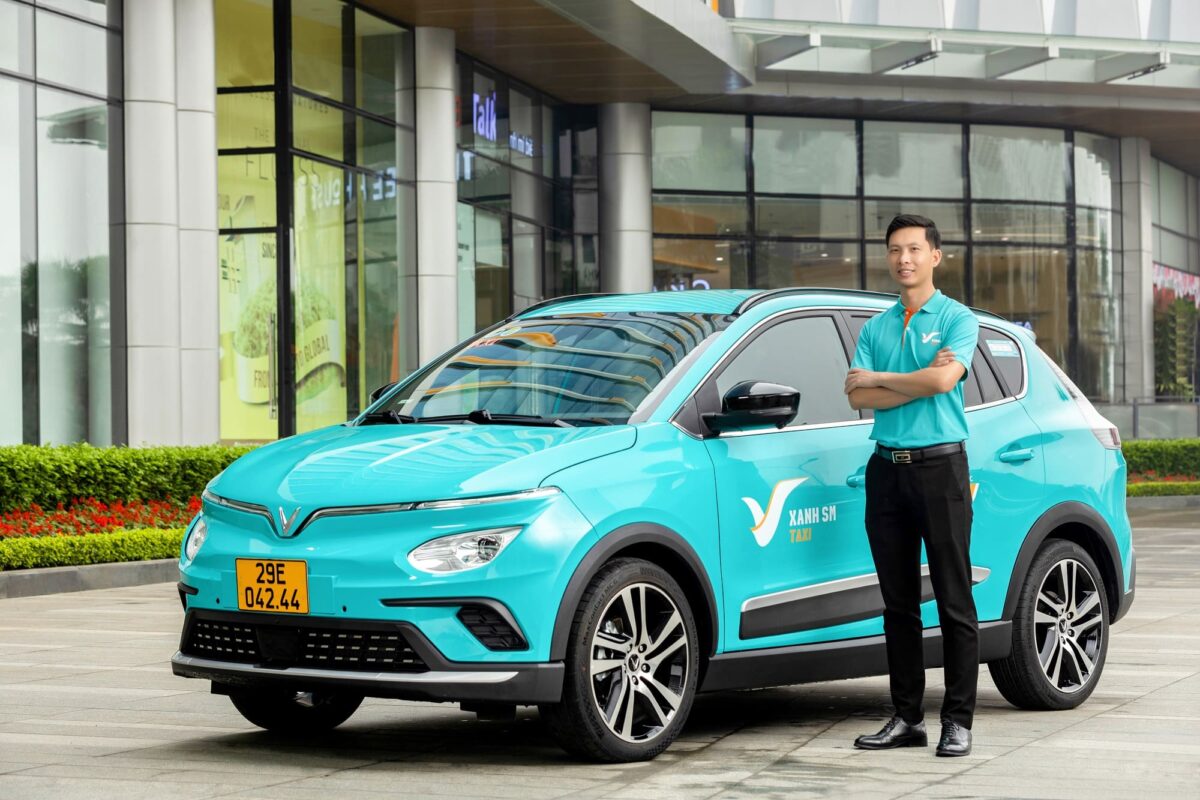
Taxis are widely available too. Mai Linh, Vinasun and Xanh SM taxis use meters and are reliable; unbranded cars waiting outside airports and tourist sights are where overcharging happens, and our guide to scams in vietnam explains the common tricks. You need mobile data to book a ride, so pick up a viettel tourist sim or eSIM on arrival at the airport.
Motorbikes and scooters
Scooters rent for 100,000 to 200,000 VND per day, but Vietnam only accepts an International Driving Permit issued under the 1968 Vienna Convention, with category A or A1 for motorbikes. Many Indian IDPs are issued under the older 1949 Geneva Convention, which Vietnam does not recognise, so check the convention printed on your IDP before you ride.
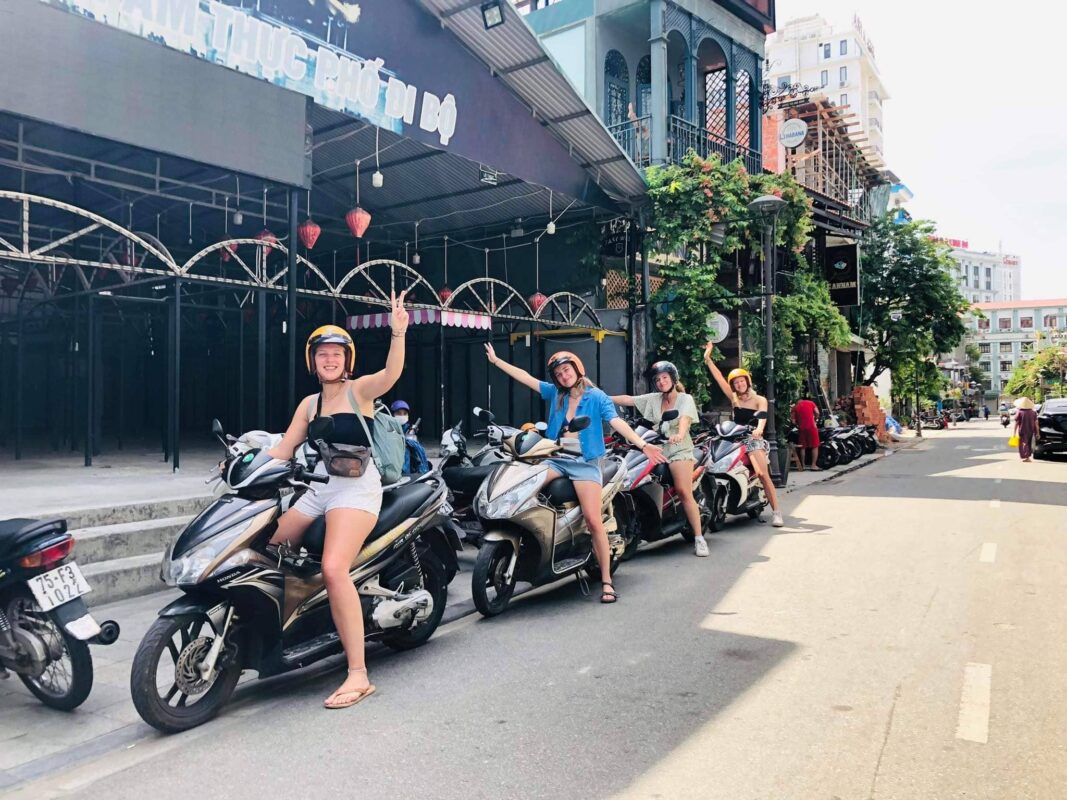
Riding without a valid licence means a fine if you are stopped and, more importantly, most travel insurance policies will refuse medical and liability claims after an accident. Traffic in Hanoi and Ho Chi Minh City is dense and unpredictable, so if you want the scooter experience without the risk, book a GrabBike, where a licensed driver does the riding and a helmet is provided.
Cyclo
A cyclo is a three-wheeled bicycle taxi, and a 30 to 60-minute ride through an old quarter costs about 100,000 to 200,000 VND. Once a common mode of transport in Vietnam’s cities, it is now more of a cultural experience than a practical way to get around.
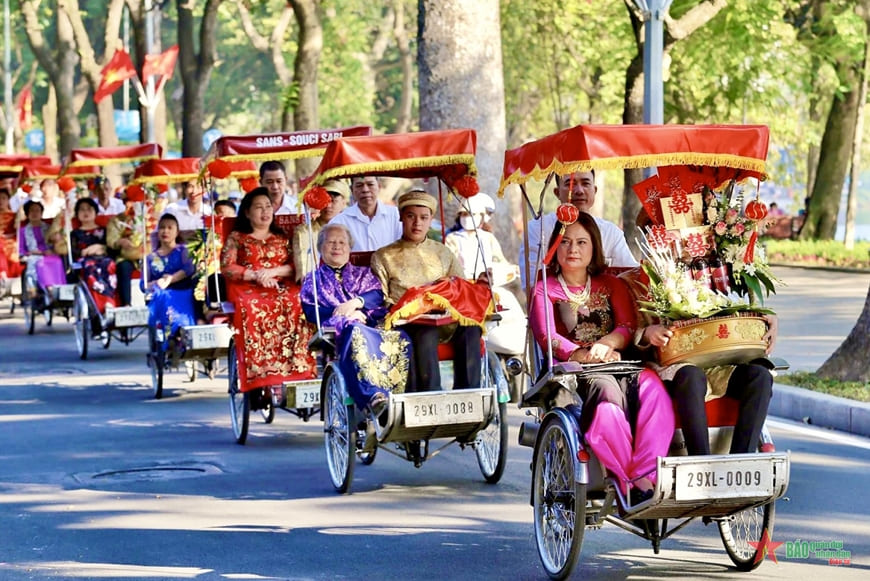
Hanoi’s Old Quarter, Hue’s Imperial City and the riverfront in Ho Chi Minh City are the best places for a ride. Agree on the price and the duration before you sit down, or book the ride through your hotel or tour operator.
How To Travel Between Cities In Vietnam
The best way to travel between cities in Vietnam depends on distance: fly for anything over about 500 km, take a train or limousine van for 2 to 8 hours, and use a private car for trips under 3 hours or with family. Vietnam is 1,650 km long from north to south, so for most visitors, how to travel in Vietnam between cities means two or three domestic flights combined with a few road transfers.
The table below shows how to travel within Vietnam on the routes Indian travellers use most.
| Route | Best option | Other options | Route guide |
|---|---|---|---|
| Hanoi – Ho Chi Minh City | Flight, about 2 h 10 min | Train 30–36 h | hanoi to ho chi minh |
| Hanoi – Da Nang | Flight, about 1 h 20 min | Train 15–17 h | hanoi to danang |
| Ho Chi Minh City – Phu Quoc | Flight, about 1 h | Bus and ferry via Rach Gia, 8–10 h | ho chi minh to phu quoc |
| Ho Chi Minh City – Mekong Delta | Private car, about 2 h to My Tho or Ben Tre | Limousine van, bus | ho chi minh to mekong delta |
| Hanoi – Ninh Binh / Ha Long Bay | Private car or limousine van, 2–2.5 h | Train to Ninh Binh 2–2.5 h | – |
| Da Nang – Hoi An | Private car, about 45 min | Grab, local bus | – |
Domestic flights
Domestic flights are the fastest way to travel between cities in Vietnam: Hanoi to Ho Chi Minh City takes about 2 hours 10 minutes, and Vietnam Airlines and Vietjet Air run dozens of flights a day on the route. More than 20 airports serve the country, so every major destination, from Da Nang and Nha Trang to Phu Quoc and Da Lat, is within two hours of Hanoi or Ho Chi Minh City.
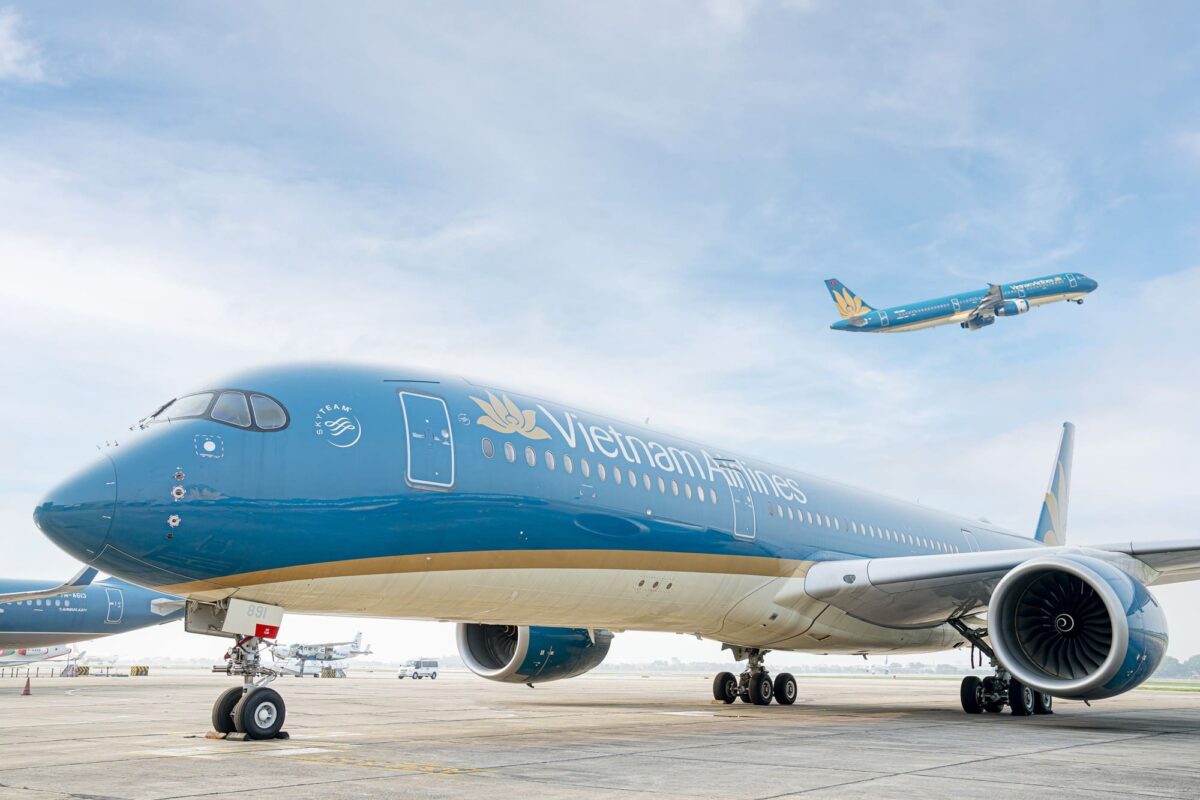
Book two to four weeks ahead for the best fares, and check the baggage allowance, as Vietjet’s cheapest tickets include only 7 kg of cabin baggage. Most airports are 5 to 45 km from the city centre; our guide to the international airports in vietnam lists each one, its distance from town and the best transfer.
The Reunification Express train
The Reunification Express runs 1,726 km between Hanoi and Ho Chi Minh City, and the full journey takes 30 to 36 hours, so most travellers ride only a section such as Hanoi–Hue, Hue–Da Nang or Da Nang–Nha Trang. Trains are operated by Vietnam Railways, and tickets can be booked in English on dsvn.vn with an international card.
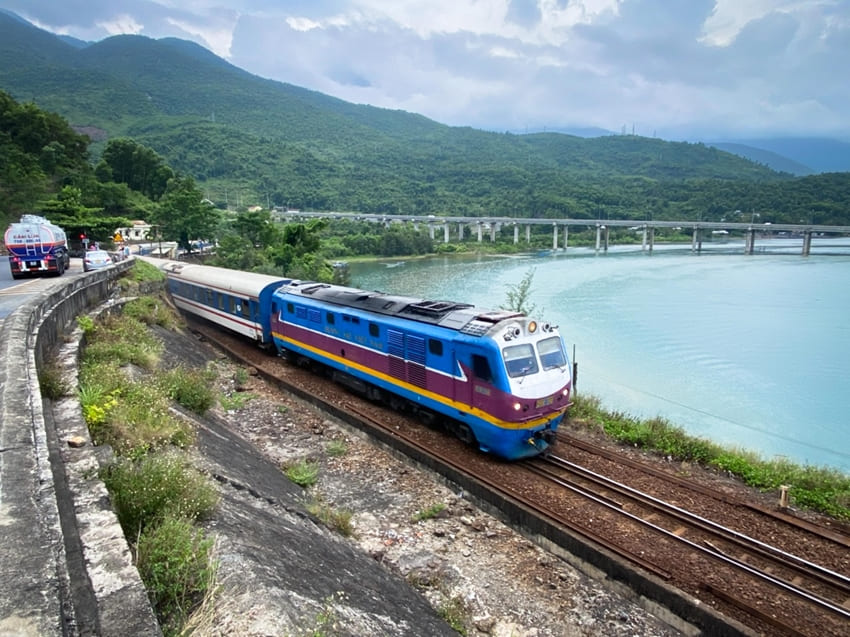
Classes include hard seat, soft seat, 6-berth and 4-berth sleepers and some 2-berth VIP cabins. A 4-berth soft sleeper costs around 700,000 VND (about ₹2,370) from Hanoi to Hue and 550,000 VND (about ₹1,860) from Da Nang to Nha Trang off-peak, and fares rise by 50 to 100% around Tet. The 3-hour stretch between Hue and Da Nang over the Hai Van Pass is the most scenic part of the line.
Intercity buses and limousine vans
Intercity buses and limousine vans are the best value for trips of one to four hours, with tickets usually between 100,000 and 300,000 VND. Limousine vans are 9 to 11-seat minibuses with reclining leather seats, air conditioning and hotel pick-up, and they are popular on routes such as Hanoi–Ninh Binh and Hanoi–Ha Long.
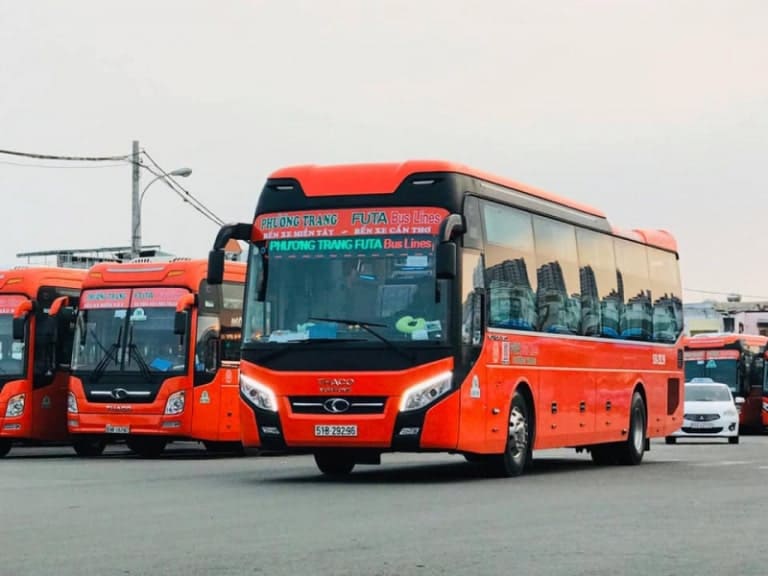
Reputable companies include Futa Bus (Phuong Trang), The Sinh Tourist and Kumho Samco. Tickets can be booked online through Vexere.com, at hotels and travel agencies, or directly at bus terminals; book a day ahead on weekends.
Sleeper buses
Sleeper buses are overnight coaches with flat or reclining beds, and they cover almost every major tourist route, such as Hanoi to Sapa in 5 to 6 hours or Ho Chi Minh City to Da Lat in 6 to 7 hours. They are inexpensive and save a night’s hotel, but comfort varies greatly between companies.

Choose VIP cabin buses from companies with good reviews, such as The Sinh Tourist or Sao Viet, keep valuables with you and carry a light jacket, as the air conditioning is strong. Beds are sized for Vietnamese travellers, so taller passengers often prefer a train or flight.
Private cars
A private car with driver costs about 1,000,000 to 1,500,000 VND per day and is the most comfortable way to travel between nearby cities, especially for Indian families, seniors and groups of four to seven. Vehicles range from 4-seat sedans to 7-seat SUVs and 16-seat vans, with an English-speaking driver or guide on request.
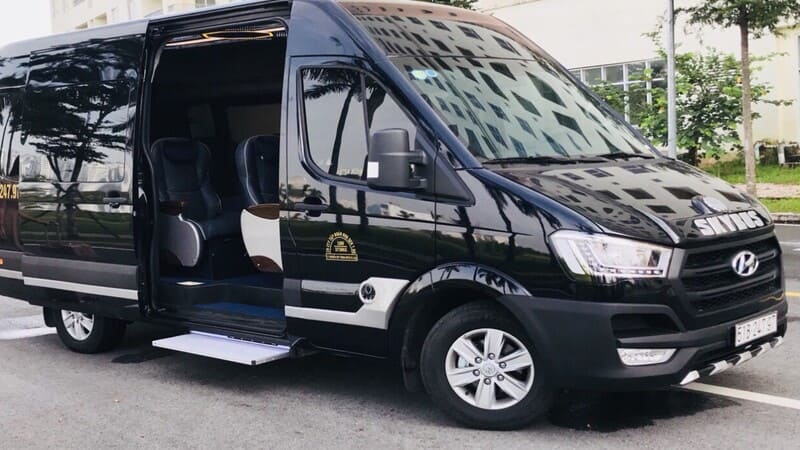
A private car allows door-to-door pick-up, your own schedule and photo stops along the way. Typical day trips include Da Nang to bana hills in about 45 minutes, Hanoi to Ha Long Bay in 2.5 hours and Ho Chi Minh City to the Cu Chi Tunnels in 1.5 hours.
Transportation Costs For Indian Travellers
Transport usually takes 20 to 30 percent of a Vietnam trip budget, and domestic flights are the largest single item. A typical one-week route such as Hanoi, Da Nang and Ho Chi Minh City needs two domestic flights, a few airport transfers and Grab rides in each city.
For a budget trip to vietnam, combine city buses and GrabBike in town with sleeper trains between Hue, Da Nang and Nha Trang, and keep flights for the longest legs. Our breakdown of the vietnam trip cost for 7 days and of the vietnam 10 day trip cost from india shows how much of each package goes on flights, transfers and private cars.
Tips When Choosing Transportation in Vietnam
These tips help you pick the right transport in Vietnam and avoid the most common problems.
- Use apps over street taxis: Grab, Be and Xanh SM show the fare before you book; with a street taxi, insist on the meter or agree the price first.
- Plan around rush hour: Traffic in Hanoi and Ho Chi Minh City is heaviest from 7:30 to 9 AM and 4:30 to 6:30 PM, so allow extra time for airport runs.
- Check routes in advance: BusMap and Google Maps show real-time routes, stops and schedules for public buses and the metro.
- Watch the weather: Central Vietnam has typhoons from September to November, which can delay flights and trains; check AccuWeather or the Weather app before travel days.
- Stay safe on two wheels: Always wear a helmet on a motorbike or GrabBike, and carry a raincoat in the rainy season.
- Carry small cash: Buses, cyclos and many local drivers only take Vietnamese dong in cash.
Following these points makes transportation in Vietnam cheaper, safer and far less stressful.
FAQs About Transportation In Vietnam
What is the most common transportation in Vietnam?
The motorbike is the most common transportation in Vietnam for locals. For tourists, the most common choices are Grab inside cities and domestic flights between regions.
Is public transport in Vietnam good for tourists?
Yes, public transport in Vietnam is cheap and safe, with city buses from 8,000 VND and metro lines in Hanoi and Ho Chi Minh City. It is slower than Grab and has limited English outside the main routes, so most short-stay visitors use it for one or two rides rather than every day.
Can Indian tourists ride a motorbike in Vietnam?
Only with an International Driving Permit issued under the 1968 Vienna Convention that covers motorbikes. An Indian licence alone, or an IDP under the 1949 Geneva Convention, is not valid in Vietnam, and travel insurance usually will not cover an accident without a valid licence.
What is the best way to travel between cities in Vietnam?
Fly between regions, such as Hanoi to Da Nang or Ho Chi Minh City, and use a private car, limousine van or train for distances under 300 km. The train is worth taking at least once for the coastal views between Hue and Da Nang.
Plan Your Vietnam Trip With Transport Included
Transportation in Vietnam is easy once you know which mode suits each leg: Grab and the metro in cities, flights between regions, and a private car or train for the scenic stretches. A package handles the flights, airport transfers and drivers for you, and you can compare every vietnam tour package price on one page, from short trips to our 11 day Vietnam tour packages that cover north, centre and south.
If you are flying from Kochi, our vietnam packages from kerala include the connecting flights, and a phu quoc trip package from india adds the island with the one-hour flight from Ho Chi Minh City already arranged. To see how to judge the best tour operator for vietnam, from licensing to Indian meal support, read our comparison before you book.
To get a route with every flight, train and transfer planned, share your travel dates, group size and departure city in the form below. A Vietnamtour.in expert will match each leg to the right transport, with private cars, airport pick-ups and vegetarian or Jain meals arranged in advance.