Vietnam in January brings the coldest weather of the year to the north and one of the driest months to the south, with temperatures ranging from 6°C (43°F) at night in Sapa to 32°C (90°F) in Ho Chi Minh City. January is peak season for travel from India, because the month combines the New Year break with Republic Day on 26 January. Tet 2027 falls on 6 February 2027, so January 2027 is the pre-Tet season, when flower markets open and museums, markets and sights stay open all month.
- North (Hanoi, Ha Long Bay, Sapa): cold and mostly dry, 14–20°C in Hanoi and 6–13°C in Sapa. Good for city walks and cruises with warm layers.
- Central (Hue, Da Nang, Hoi An): cool and still showery, with a rough sea. Better for heritage than beaches.
- South (Ho Chi Minh City, Mekong Delta, Phu Quoc): dry and sunny, 22–32°C. The best region for January.
In this article, Vietnamtour.in explains Vietnam in Jan weather across 9 destinations, how Hanoi’s winter compares with Delhi’s, the pre-Tet events of January 2027, the best places to visit and what to wear in each region.
Vietnam Weather in January
Vietnam temperature in January ranges from 6–13°C in Sapa to 22–32°C in Ho Chi Minh City, with the Vietnam January temperature averaging 14–20°C in Hanoi and 19–25°C in Da Nang. The north-east monsoon keeps northern Vietnam in winter, while the south stays in its tropical dry season, so the Vietnam climate in January changes sharply from one region to the next.
January averages for 9 destinations are listed below:
| City | Temp (°C) | Temp (°F) | Rainfall | Rainy days | Sea temp | Verdict | Similar temperature in India |
|---|---|---|---|---|---|---|---|
| Sapa | 6–13°C | 43–55°F | 65 mm | 15 days | – | Cold | Gangtok |
| Hanoi | 14–20°C | 57–68°F | 20 mm | 10 days | – | Cold | Guwahati |
| Ha Long Bay | 14–19°C | 57–66°F | 25 mm | 8 days | 22°C | Cold | Jaisalmer |
| Hue | 17–24°C | 63–75°F | 125 mm | 14 days | 24°C | Cool & wet | Nagpur |
| Da Nang / Hoi An | 19–25°C | 66–77°F | 85 mm | 12 days | 24°C | Improving | Bengaluru |
| Nha Trang | 22–27°C | 72–81°F | 40 mm | 8 days | 25°C | Beach OK | Mumbai |
| Da Lat | 11–22°C | 52–72°F | 15 mm | 2 days | – | Dry | Dibrugarh |
| Ho Chi Minh City | 22–32°C | 72–90°F | 15 mm | 2 days | 25°C | Dry | Madurai |
| Phu Quoc | 24–31°C | 75–88°F | 35 mm | 5 days | 27.5°C | Beach OK | Trivandrum |
Averages are based on the WMO 1991–2020 climate period. The India column compares January average temperatures only, not rainfall.
The warmest temperature in Vietnam in January is in Ho Chi Minh City (32°C), while Sapa is the coldest stop, at 6–13°C. Phu Quoc and Nha Trang are the 2 beach options in January, with sea temperatures of 27.5°C and 25°C, while the coast from Hue to Hoi An stays too rough and showery for a beach-focused trip.
Temperature is only one part of the picture, because weather in Vietnam in January follows 3 patterns: a dry but cold northern winter, a wet transition in the centre and the dry season in the south. Each region therefore needs a different plan for clothing and daily activities.
The Mountainous Regions in Northern Vietnam

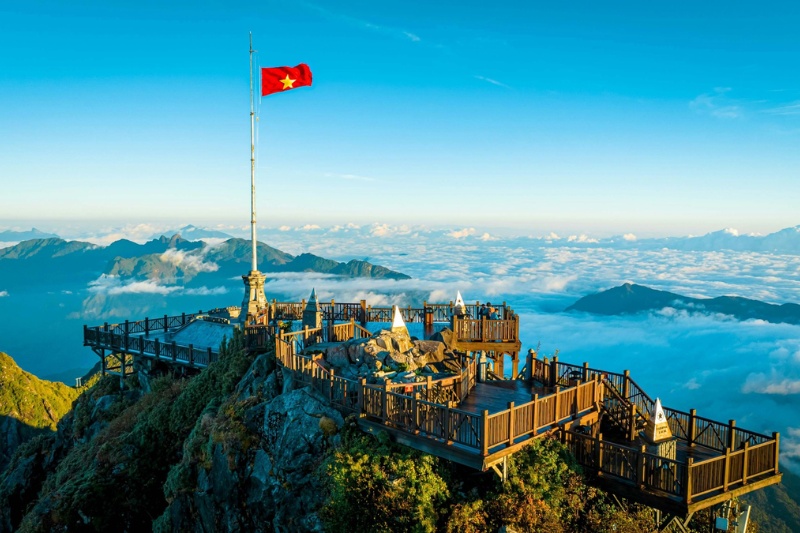
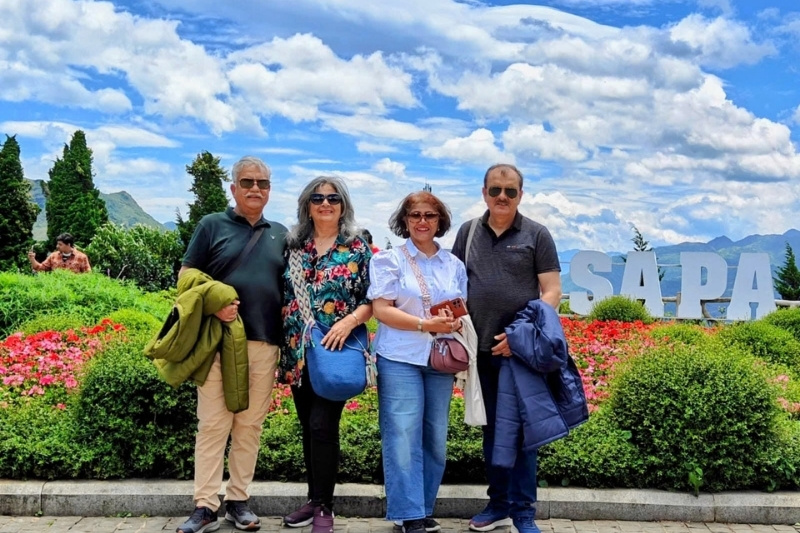
Sapa is the coldest place in Vietnam in January, averaging 6–13°C, with cold spells that push temperatures below 0°C on high ground. Weather in Sapa Vietnam in January brings about 65 mm of rain over 15 days, mostly as drizzle. Morning fog fills the valleys, and mountain roads can turn slippery. Snow in Sapa is rare: the summit of Fansipan recorded ice at −3°C on 5 January 2025, and Sapa town last saw snow in January 2016, when the temperature fell to −4°C.
Most hotels in Sapa do not have central heating, and many village homestays have no heaters at all, though space heaters or electric blankets are available on request at many hotels. Ha Giang shares the same cold, misty conditions, so warm layers matter on every mountain route.
Northern Vietnam
Hanoi and the northern lowlands are cold and mostly dry in January, averaging 14–20°C with about 20 mm of rain, mostly as drizzle. Ha Long Bay averages 14–19°C in January, and its 22°C sea is too cool for swimming. Fog often limits views across the bay, although cruises continue to operate, and Ninh Binh’s boat rides run normally in the cool, dry air.
Temperatures rise further south, but central Vietnam brings a different challenge in the form of rain.
Central Vietnam

Central Vietnam is cool and wet in January, with Hue averaging 17–24°C and Da Nang and Hoi An averaging 19–25°C. Hue is the wettest stop in the region, with about 125 mm of rain over 14 days. Weather in Da Nang Vietnam in January brings about 85 mm of rain over 12 days, and the 24°C sea is often made rough by north-east swells, so heritage sightseeing suits Hue, Hoi An and Da Nang better than beach time.
Nha Trang averages 22–27°C, with about 40 mm of rain over 8 days and a 25°C sea that allows swimming through the month. Da Lat stays dry in January, averaging 11–22°C with about 15 mm of rain. Mornings in Da Lat are cold, and the city’s mai anh dao (cherry apricot) blossoms are in season.
Conditions become reliably dry in the far south.
Southern Vietnam

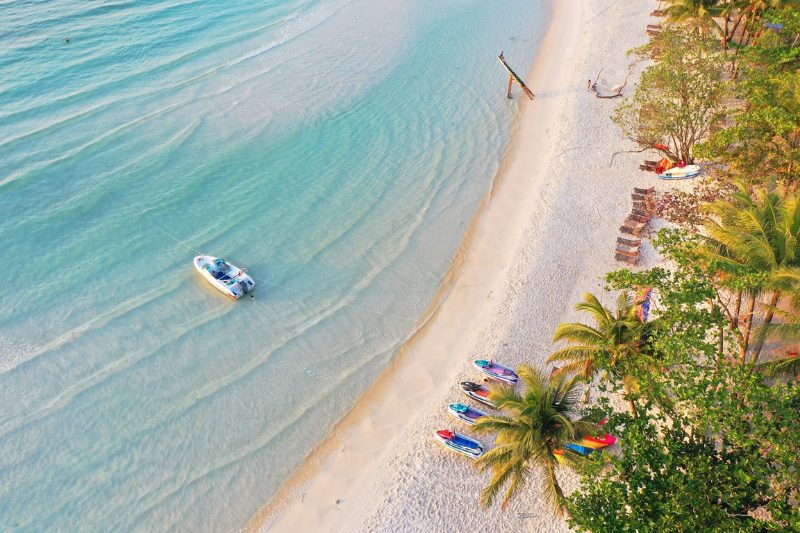
Southern Vietnam is in its dry season in January, with Ho Chi Minh City averaging 22–32°C and only about 15 mm of rain over 2 days. Weather in Ho Chi Minh Vietnam in January is sunny, with hot middays, and February is even drier in the city at about 5 mm. Phu Quoc averages 24–31°C, with a 27.5°C sea and about 35 mm of rain over 5 days. In the Mekong Delta, Can Tho averages 22–30°C with little rain, which suits floating market visits and boat trips.
Hanoi deserves a closer look, because most northern itineraries begin in the capital.
Weather in Hanoi in January
Weather in Hanoi Vietnam in January averages 14–20°C (57–68°F), making it the coldest month of the year in the capital.
- Daily range: Nights average about 14°C, and afternoons reach about 20°C. The coldest nights usually drop to about 8.5°C, while the warmest days can reach about 27.5°C.
- Humidity and sunshine: Hanoi averages 78% humidity and about 2.5 hours of sunshine a day in January. Around 20 mm of rain falls as drizzle over 10 days.
- Comparison with Delhi: New Delhi has colder January nights than Hanoi, at about 7.6°C against 14.1°C. Hanoi, however, is damper and greyer than Delhi.
- Day trips to Ha Long Bay: Day cruises from Hanoi run through January, but haze often softens views of the limestone islands.
- Clothing: A warm jacket, layered tops and a scarf cover most days and evenings in the capital.

These regional conditions shape whether January suits a particular itinerary.
Is January a Good Time to Visit Vietnam?
Yes, January is a good time to visit southern Vietnam and Phu Quoc, and a cold but dry month for the north.
Advantages of January in Vietnam:
- Southern Vietnam and Phu Quoc are in their dry season.
- Northern Vietnam receives little rain, with about 20 mm in Hanoi.
- The month overlaps with the New Year break and Republic Day, which falls on a Tuesday in 2027.
Drawbacks of January in Vietnam:
- Northern Vietnam is cold, damp and grey.
- The central coast is showery, and the sea is often rough.
- Peak-season demand pushes up competition for rooms and flights.
January in Vietnam suits routes that spend most nights in the south and keep northern stops short. Demand from India adds to the pressure on bookings: in January 2026, Vietnam welcomed nearly 88,000 visitors from India, an increase of 80.5% year on year.
January also sits between very different months. Compared with weather in Vietnam in October 2026, when Da Nang records about 650 mm of rain, the central coast is far drier at about 85 mm, while Hanoi is much cooler. The climate in Vietnam in November is warmer in Hanoi at 19–26°C but far wetter on the central coast at about 430 mm. December offers a pattern close to January’s, and travellers who can only reach Vietnam on December 24–31 face the same regional split with heavier holiday demand. Across the year, the best months to visit Vietnam for a full-country route are March and April, while January works best as a south-focused trip.

Although Tet falls in February 2027, January still has several events worth planning around.
Events and Festivals in Vietnam in January
Tet 2027 falls on 6 February 2027, so January 2027 is the pre-Tet season, when flower markets open and sights stay open all month.
- New Year’s Day (1 January): Hanoi and Ho Chi Minh City usually mark the start of the year with midnight fireworks.
- Tet flower markets: The Hang Luoc flower market in Hanoi’s Old Quarter runs from the 15th day to the end of the last lunar month, which in 2027 is from about 22 January to 5 February.
- Hoi An Lantern Festival: Hoi An Ancient Town switches off its electric lights for lantern night on 21 January 2027, the 14th day of the lunar month.
- Da Lat Cherry Blossom Festival: Da Lat celebrates its mai anh dao season in January. The 2026 festival ran from 16 to 25 January, and dates for 2027 have not yet been announced.
Tet itself moves into Vietnam in February in 2027, but it falls in January in some years, including 2028, when the holiday begins on 26 January. In those years, shops and restaurants close most widely during the first 3 days of Tet.

Weather and events together point to a clear shortlist of destinations for January.
Where to Go in Vietnam in January
Vietnam in January suits 6 kinds of trip: a beach holiday in the far south, pre-Tet city breaks, river life in the Mekong Delta, a cool highland escape, heritage and lantern evenings, and winter trekking in the north. The Vietnam tourist places that work best this month are listed below.
| You want | Go to | Why in January |
|---|---|---|
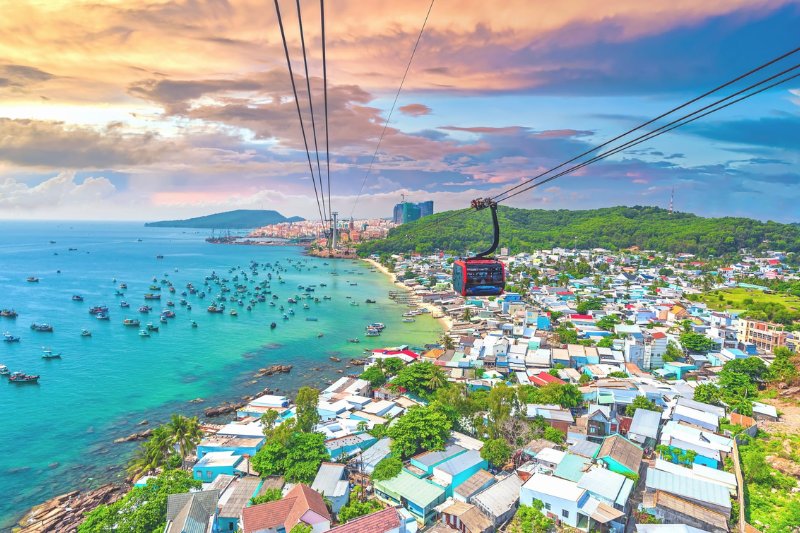
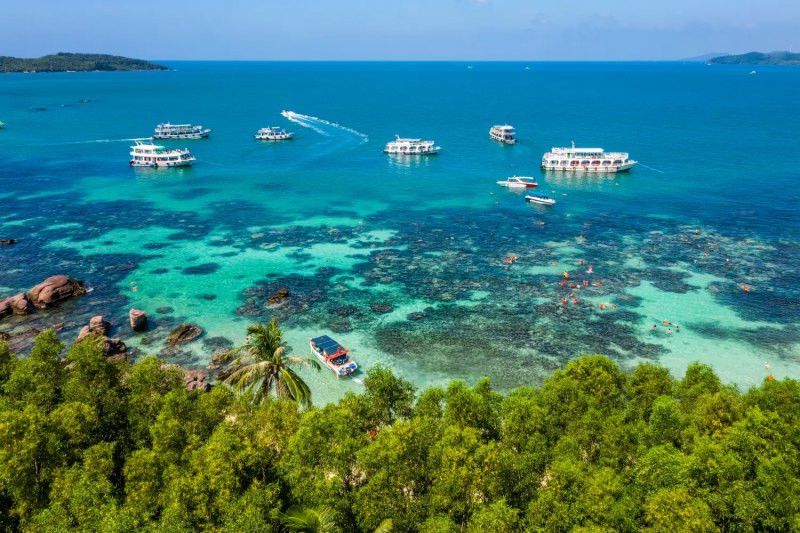
| Beach | Phu Quoc | 27.5°C sea, dry season, island-hopping and the Hon Thom cable car |
| City break and pre-Tet atmosphere | Ho Chi Minh City | 22–32°C, dry, flower stalls and ao dai sessions from late January |
| River life and day trips | Mekong Delta | 22–30°C in Can Tho, dry weather for morning floating markets |
| Cool-weather escape and blossom | Da Lat | 11–22°C, about 15 mm of rain, mai anh dao in season |
| Heritage and lantern evenings | Hoi An | 19–25°C, lantern night on 21 January 2027 |
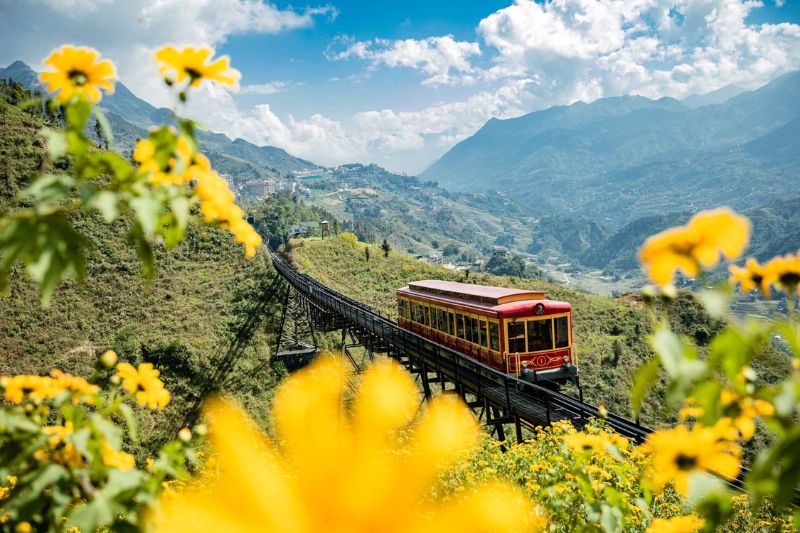
| Winter trekking | Sapa | 6–13°C, misty hillsides, Fansipan cable car on clear days |
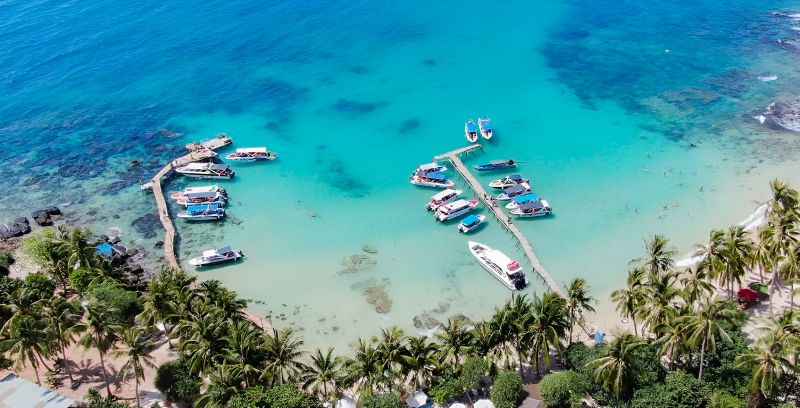
Phu Quoc and Nha Trang are the most reliable of the beautiful beaches in Vietnam in January. Da Nang is the one coastal stop to keep short, with about 85 mm of rain over 12 days and a rough sea, so heritage sightseeing works better than beach time. In the north-west highlands, Sapa in winter rewards travellers who pack for the cold with quiet trails and misty valley views.
An 8-day January route can keep the cold north short and end with warm beach days in the south. The 8-day Hanoi, Halong and Phu Quoc couple tour from Vietnamtour.in combines Hanoi, Ninh Binh and Ha Long Bay with Phu Quoc as a private tour with 4-star hotels, from ₹79,325 per person for 2 adults, excluding airfare. A shorter break keeps the 7 day trip to Vietnam cost down by dropping one region, while the 10 day Vietnam trip cost covers the north, the Mekong Delta and Phu Quoc at a slower pace.
What to Do in Vietnam in January

Late January is the best time to see Vietnam prepare for Tet. Flower stalls fill Hang Luoc Street in Hanoi and the streets of Ho Chi Minh City, families start preparing banh chung (square sticky rice cakes), and ao dai photo sessions are popular along the flower streets. Earlier in the month, the cool, dry north suits Old Quarter walks and Ha Long Bay cruises, while the south suits beach days on Phu Quoc and boat trips in the Mekong Delta.
What to Wear in Vietnam in January
Pack winter layers for Hanoi and Sapa, a light jacket and rain layer for central Vietnam, and summer clothes for the south. A single trip across Vietnam in January can span a 26°C temperature range.
| Region | Temperature | Clothing | Note |
|---|---|---|---|
| North | 14–20°C (Sapa 6–13°C) | Warm jacket, thermal layers, gloves for Sapa | Scarf, waterproof shoes |
| Central | 17–25°C | Light jacket, long sleeves | Rain jacket, quick-dry clothes |
| South | 22–32°C | Summer clothes | Sunscreen, swimwear |

Temple and pagoda visits require covered shoulders and knees in every region. Packing covers the weather, while bookings and visas need attention well before departure.
Booking, Visa and Meal Tips for January
A January trip to Vietnam needs early bookings for peak season, a visa applied for in advance and warm rooms in the north.
- Bookings: January is peak season in Vietnam, so booking hotels and flights 2–3 months ahead is advisable. A realistic Vietnam trip budget for January allows for peak-season hotel rates in the south. Trips that run into early February also meet the pre-Tet travel rush, when domestic flights, trains and buses sell out in the days before 6 February 2027.
- Visa: Vietnam’s e-visa takes 3 working days to process, and weekends and public holidays do not count. The government fee is US$25 (₹2,375) for single entry, and the e-visa for Indian passport holders is applied for online with a passport scan and photo.
- Meals: Vegetarian and Jain meals in Sapa and on Ha Long Bay cruises are easier to secure when requested in advance.
- Heating: Hotels in northern Vietnam rarely have central heating, so a space heater or electric blanket is worth requesting at the time of booking.
- Republic Day: 26 January 2027 falls on a Tuesday, so a Saturday-to-Tuesday break needs only one day of leave, and flights around that weekend fill early.
The questions below cover the most common January queries.
FAQ about Vietnam in January
How cold is Hanoi in January?
Hanoi averages 14–20°C (57–68°F) in January. The coldest nights usually drop to about 8.5°C. New Delhi has colder January nights, at about 7.6°C, but Hanoi is damper, with 78% humidity and only about 2.5 hours of sunshine a day. A warm jacket and layers cover most days in the capital.
Does it rain in Vietnam in January?
Yes, but heavier rain is mostly limited to central Vietnam. Weather in Vietnam in January brings about 125 mm of rain to Hue and 85 mm to Da Nang. Hanoi receives only about 20 mm, mostly as drizzle, and Ho Chi Minh City receives about 15 mm. Southern Vietnam and Phu Quoc stay largely dry.
Is Tet in January or February in 2027?
Tet falls in February in 2027, on Saturday 6 February. January 2027 is therefore the pre-Tet season, with flower markets opening from late January and sights open all month. Tet returns to January in 2028, beginning on 26 January.
Does it snow in Vietnam in January?
Yes, but snow in Vietnam is rare and limited to high ground in the far north. Sapa town last saw snow in January 2016, when the temperature dropped to −4°C. The summit of Fansipan occasionally records ice or light snow during cold spells. Most January days in Sapa bring fog, drizzle and temperatures of 6–13°C.
Can you swim in Da Nang in January?
Swimming is possible in Da Nang in January, but the sea is often rough. The water averages about 24°C, and rain falls on about 12 days of the month. North-east swells can make some days unsafe for swimming. Nha Trang (25°C) and Phu Quoc (27.5°C) offer calmer and warmer beach conditions in January.
Planning a Trip to Vietnam in January
Vietnam in January weather favours the south and Phu Quoc, while the north stays cold and dry and the central coast stays showery. Matching each stop with its regional weather keeps a January itinerary comfortable from start to finish.
Planning heated rooms in Sapa, vegetarian or Jain meals on cruises and beach time in the south makes January routes more complex than most months. Vietnamtour.in, part of Seni World Travel and a Tripadvisor Travelers’ Choice winner from 2023 to 2025, arranges these details in advance across every region. Compare the Phu Quoc tour packages, the Vietnam beach holidays and each Vietnam land package for a warm-weather route, or share travel dates in the form below.
RECOMMENDED ITINERARIES FOR VIETNAM IN JANUARY
Hanoi · Ninh Binh · Halong Bay · Da Nang · Hoi An · Phu Quoc
Phu Quoc

Hanoi · Halong Bay · Sapa · Da Nang · Hoi An · Phu Quoc · Ho Chi Minh City · Mekong Delta

Hanoi · Ninh Binh · Halong Bay · Da Nang · Hoi An

Phu Quoc

Hanoi · Ninh Binh · Halong Bay · Phu Quoc
Hanoi · Ninh Binh · Sapa · Halong Bay

Da Nang · Phu Quoc