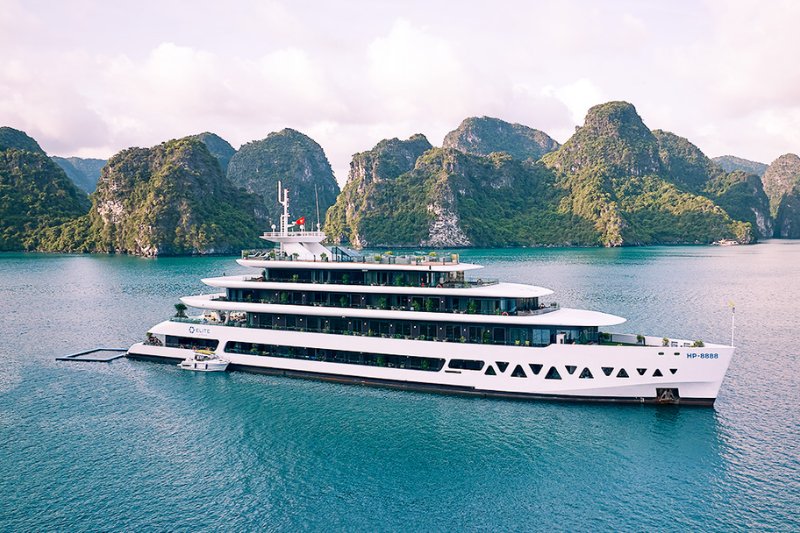

Yes, July is a good time to visit Vietnam if the trip centres on the central coast, where Da Nang, Hoi An and Hue are dry, sunny and at their best for beaches, while the north and south are in the rainy season, with short, heavy showers, and Sapa is at its greenest. Daytime temperatures run from about 24°C in Sapa to 33–35°C in Hanoi and Da Nang, and July is the peak of the domestic summer holiday, so beach hotels fill up early. Vietnam in July suits Indian couples and families who plan around the regions rather than the whole country at once.
Vietnam in July by region:
| Region | Typical July weather | Verdict |
|---|---|---|
| Sapa and the northern mountains | 18–25°C, frequent rain, mist | Greenest terraces; muddy trails |
| Hanoi and Ha Long Bay | 27–34°C, hot, humid, heavy afternoon showers | Fine for the city; cruises can be cancelled in storms |
| Da Nang, Hoi An, Hue | 26–35°C, mostly dry and sunny | Best region in July; calm sea |
| Nha Trang | 26–33°C, dry | Good beach weather; busy |
| Ho Chi Minh City and Mekong Delta | 25–33°C, short afternoon downpours | Fine for sightseeing; green delta |
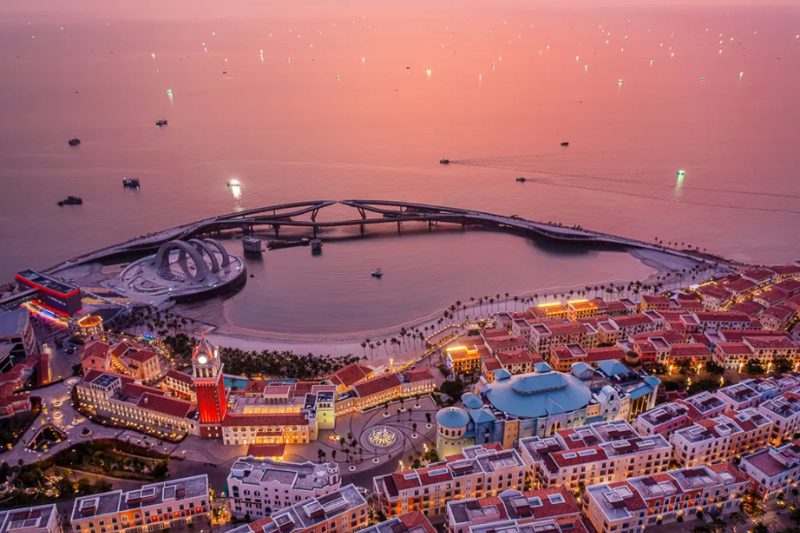
| Phu Quoc | 25–31°C, rainy season, rough west coast | Swim on the east coast at Sao Beach |
Figures are typical July averages; storms from the South China Sea can bring 1–3 days of heavy rain to the north at short notice, so a flexible day in the plan helps.
Vietnam Weather in July
Vietnam weather in July is hot and humid across the country, with daytime highs of about 29–35°C in the lowlands, the rainy season in the north and south, and dry, sunny weather on the central coast. Rain in July usually falls as heavy showers in the afternoon or evening rather than all day, so most sightseeing goes ahead between showers. Lightweight, breathable clothes and a compact umbrella or rain jacket cover most days.
The Mountainous Region in Northern Vietnam
Sapa and the northern mountains are cool in July, at about 18–25°C, and July is the wettest month of the year there, which turns the rice terraces a bright green. Mornings are often misty and the trails muddy after rain, so trekking shoes with grip and a light rain jacket matter more than warm clothes. The Fansipan cable car runs in July, though views from the summit depend on the clouds.

Northern Vietnam
Hanoi in July is hot and humid, at about 27–34°C, with heavy afternoon showers, while Ha Long Bay cruises run but can be cancelled for a day or 2 when a tropical storm approaches. Museums, temples and the Old Quarter work well in the mornings, and the Temple of Literature and Hoan Kiem Lake are quieter than in the autumn high season.

Central Vietnam
Central Vietnam is the best region in July, with mostly dry, sunny days of about 26–35°C in Da Nang, Hoi An and Hue, and a calm, warm sea for swimming. July sits in the middle of the central coast’s dry season, which runs from about February to August, before the heavy rain arrives in September. The midday heat is strong, so the beach and the old towns are best in the morning and evening.

Southern Vietnam
Southern Vietnam is in the rainy season in July, at about 25–33°C, with short afternoon downpours in Ho Chi Minh City and the Mekong Delta that rarely last more than 1–2 hours. The delta is lush and its rivers high, which suits boat trips, while Phu Quoc’s west coast turns rough and the sheltered east coast at Sao Beach is the better swimming spot.

Tourist Flow
July is high season for domestic tourism in Vietnam, because Vietnamese school holidays run from June to August, so beach cities such as Da Nang, Nha Trang and Ha Long are busy and hotel prices rise, while the north’s mountains and the south are quieter. International arrivals are lower than in the dry winter months, which keeps the museums and heritage sites calmer.

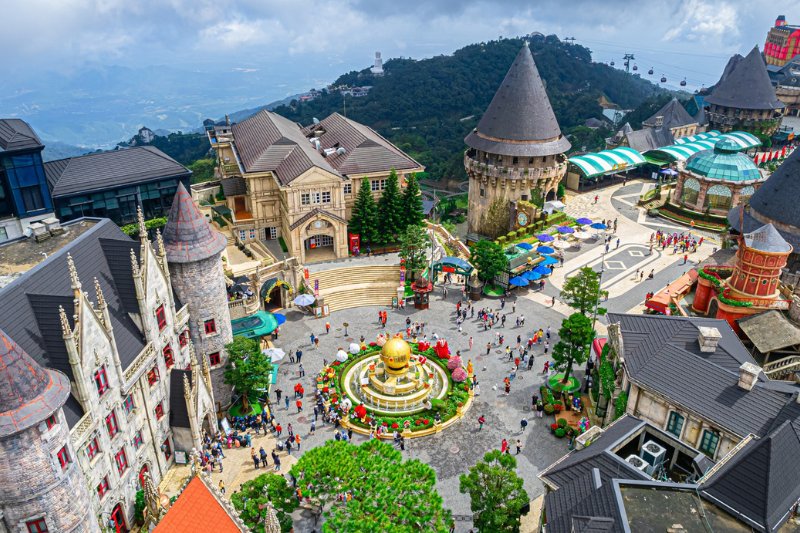
Booking beach hotels in Da Nang and Hoi An 6–8 weeks ahead, and visiting the most popular sites on weekdays, avoids the worst of the crowds. Weekends in July are the busiest days at Ba Na Hills and on the beaches, when domestic families travel.
Events and Festivals
The main events in Vietnam in July are the Hoi An Full Moon Lantern Night on the 14th day of the lunar month, the final nights of the Da Nang International Fireworks Festival in early July, and War Invalids and Martyrs’ Day on 27 July. None of these is a public holiday, so offices, shops and attractions stay open.

The events worth planning around are:
- Hoi An Full Moon Lantern Night: On the 14th night of each lunar month, the old town switches off its electric lights and lights silk lanterns along the Thu Bon River.
- Da Nang International Fireworks Festival (DIFF): Usually held on Saturday nights from late May or June into early July; the 2026 edition ran from 30 May to 11 July.
- War Invalids and Martyrs’ Day (27 July): A day of remembrance with ceremonies at memorials across the country.
The fireworks dates are announced each spring, so travellers aiming for a DIFF night should check the schedule before booking flights to Da Nang.
Travel Tips
The best plan for Vietnam in July is to base the trip on the central coast, add Hanoi and Ha Long or Ho Chi Minh City with a spare day for storms, pack for heat and rain, and book beach hotels early.
Where to Go and What to Do in Vietnam in July
Da Nang, Hoi An, Hue and Nha Trang are the best places to go in Vietnam in July for sunshine and beaches, while Sapa is at its greenest for terrace views and the Mekong Delta for river trips.

The places that work best in July are:
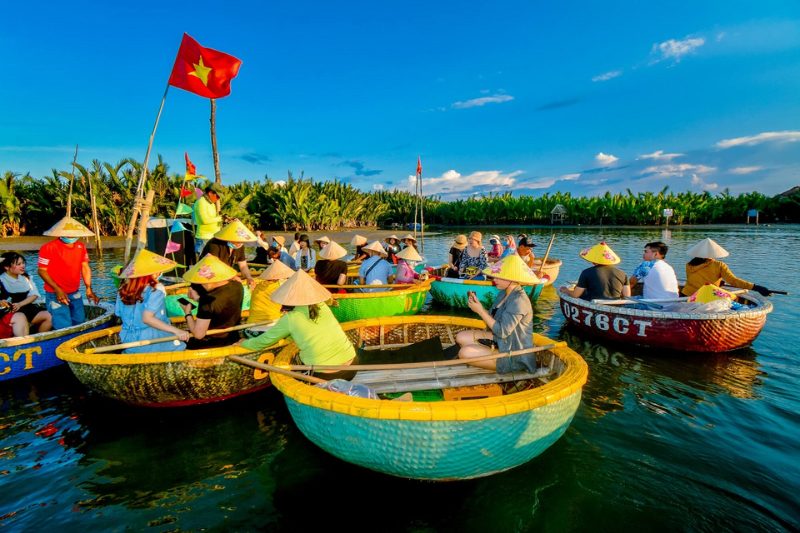
- Da Nang and Hoi An: Dry, sunny and the best beach weather of the year, with Ba Na Hills and the Hoi An old town nearby.
- Hue: Hot but dry, good for the Imperial City and the royal tombs in the morning.
- Nha Trang: Calm sea for island trips and snorkelling.
- Sapa: Greenest terraces of the year, with rain and mist most afternoons.
- Hanoi: Hot and humid; museums and the Old Quarter in the morning and evening.
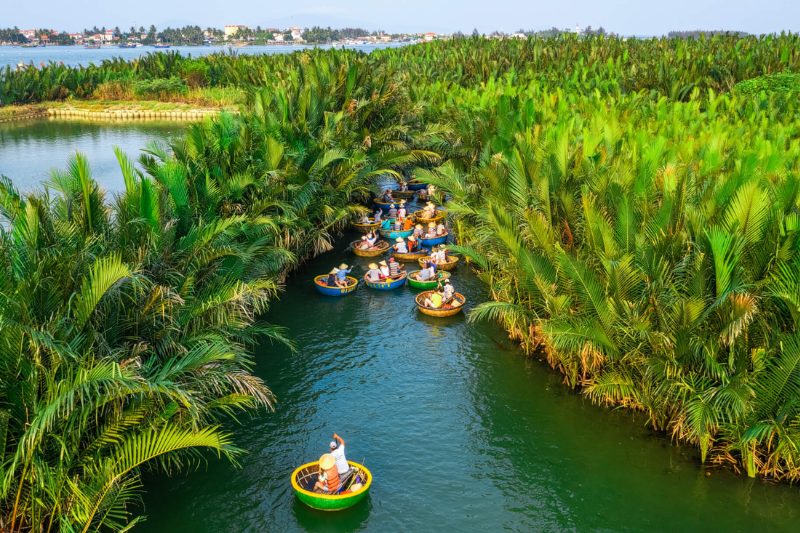
- Ho Chi Minh City and the Mekong Delta: Short downpours, lush delta and high rivers for boat trips.
A 7-day July trip usually pairs Hanoi or Ho Chi Minh City with 3–4 nights on the central coast, and the Vietnam package 6 nights 7 days options are built that way. Travellers with longer leave can compare how much does a 10 day trip to Vietnam cost, and the Vietnam tour packages above 12 days add Sapa and the south at a slower pace.
Tips for Traveling to Vietnam
The most useful tips for Vietnam in July are to pack for heat and sudden rain, keep 1 spare day for storms, start sightseeing early and book central coast hotels well ahead.

The tips that matter most are:
- Pack lightweight, breathable clothing, a rain jacket or compact umbrella, and sandals that can get wet.
- Keep 1 flexible day around Ha Long Bay in case a storm cancels the cruise.
- Start sightseeing by 8:00 AM and rest in the midday heat, especially in Hue and Da Nang.
- Drink plenty of bottled water and use sunscreen on the central coast.
- Book beach hotels in Da Nang, Hoi An and Nha Trang 6–8 weeks ahead for the summer holidays.
Prices in July are mid-range: flights and beach hotels rise with domestic demand, while hotels in Hanoi, Sapa and Ho Chi Minh City are often cheaper than in winter, and the full split of a Vietnam per person budget shows how the costs add up.
FAQs About Vietnam in July
Indian travellers asking about Vietnam in July most often want to know whether it is a good month, how the weather compares by region, and which places to choose.
Can we visit Vietnam in July?
Yes, Vietnam can be visited in July, and the central coast around Da Nang, Hoi An and Hue is at its driest and sunniest then. The north and south have afternoon showers, so a route weighted to the centre gives the most reliable weather.
Is July a good time to visit Vietnam?
July is a good time to visit Vietnam for a beach holiday in the centre and for green landscapes in Sapa, but not the best month for a full north-to-south trip, because of rain in the north and south and the risk of storms around Ha Long Bay. The best months for the whole country are February to April.
How hot is Vietnam in July?
Vietnam is hot in July, with daytime highs of about 33–35°C in Hanoi, Hue and Da Nang, about 32–33°C in Ho Chi Minh City, and a cooler 18–25°C in Sapa. Humidity is high everywhere except the mountains, which makes early mornings the most comfortable time to sightsee.
What is the best time to visit Vietnam instead of July?
February to April is the best time for a full Vietnam trip, while October and November suit the north and south, when the central coast is at its wettest. The climate in Vietnam in October guide and the November Vietnam guide show how the regions change after the summer. On either side of July, the guide to Vietnam in June shows how the rain begins in the north and south, and the guide to Vietnam weather in August shows the storm season at its peak. The full year by region is set out in the guide to the Vietnam best time to visit from India.
Plan Your Vietnam Trip in July
Vietnam in July rewards a route built around the central coast’s dry season, with Hanoi or Ho Chi Minh City added for 2–3 nights and a spare day kept for storms. The parts that catch most Indian travellers out are the summer crowds at the beach cities, the heat at midday and the occasional storm that cancels a Ha Long Bay cruise. Vietnamtour.in has planned Vietnam trips for more than 428,000 Indian travellers since 2015, and every best tour package for Vietnam in July is planned around the weather in each region, with Indian, vegetarian or Jain meals arranged in advance. Travellers who want only a beach can compare Phu Quoc island packages, which use the sheltered east coast in the wet months.
To plan Vietnam in July around your own dates, share the travel dates, group size and departure city in the form below. A Vietnamtour.in expert will weight the route to the regions with the best July weather, book beach hotels early, and arrange vegetarian or Jain meals for your trip to Vietnam in July.
RECOMMENDED ITINERARIES FOR VIETNAM IN JULY

Hanoi · Ninh Binh · Sapa · Halong Bay · Da Nang · Hoi An · Ho Chi Minh City · Mekong Delta
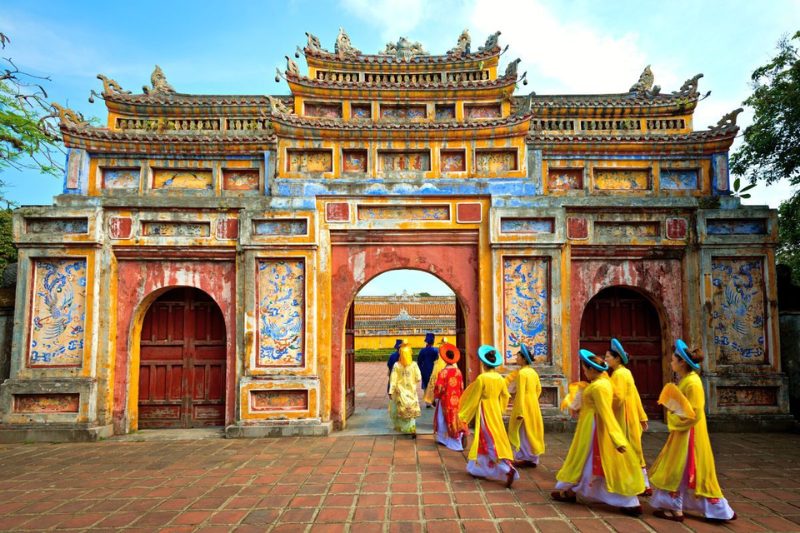
Ho Chi Minh City · Mekong Delta · Da Nang · Hoi An · Hue · Hanoi · Halong Bay
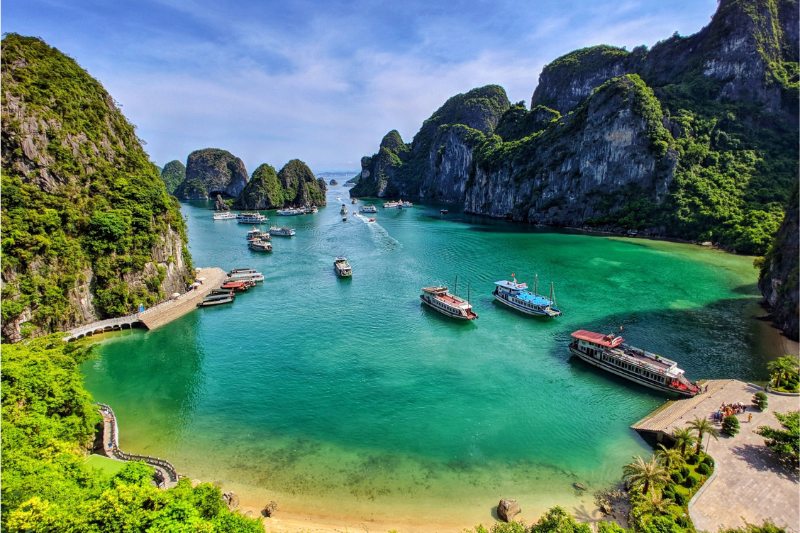
Hanoi · Ninh Binh · Halong Bay · Da Nang · Hoi An
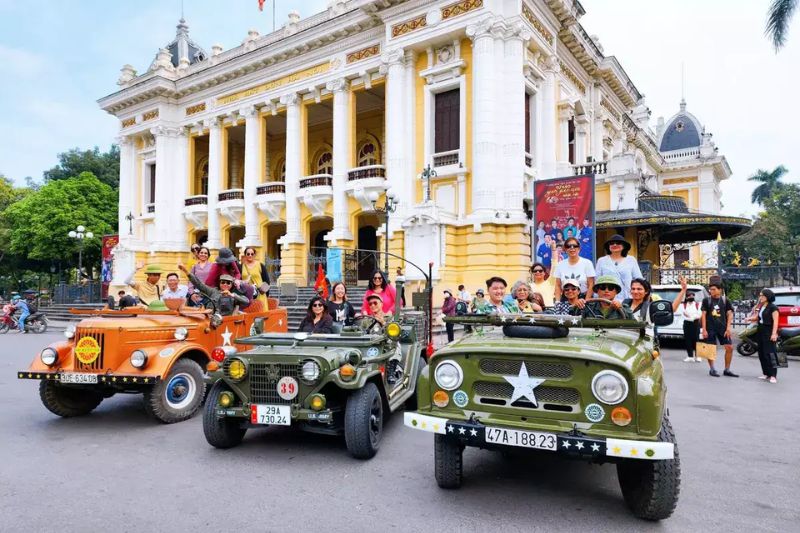
Hanoi · Halong Bay · Ho Chi Minh City · Mekong Delta
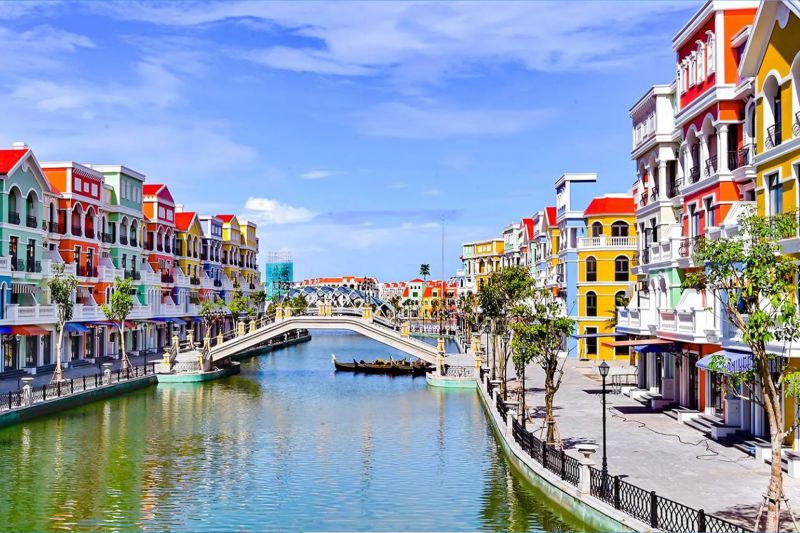
Hanoi · Halong Bay · Da Nang · Hoi An · Phu Quoc

Hanoi · Halong Bay · Sapa · Da Nang · Hoi An · Phu Quoc · Ho Chi Minh City · Mekong Delta

Hanoi · Halong Bay · Da Nang · Hoi An · Phu Quoc

Hanoi · Halong Bay · Da Nang · Hoi An · Ho Chi Minh City · Mekong Delta