
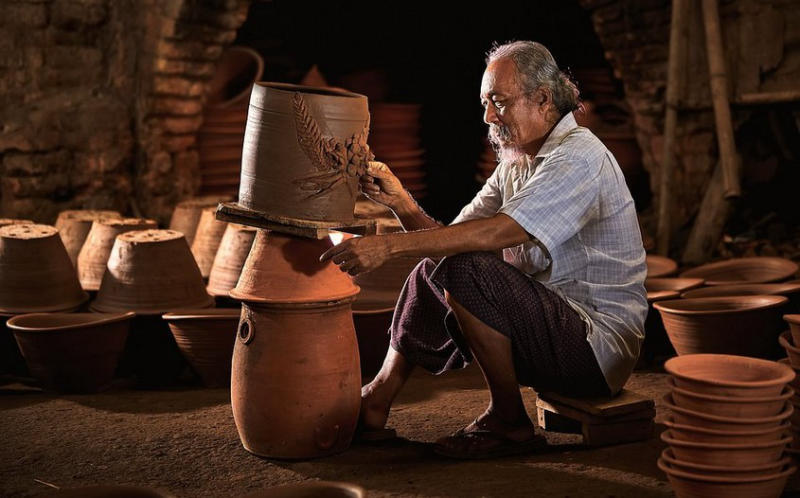
Bat Trang Pottery Village is a centuries-old ceramic village on the bank of the Red River, about 13–15 km south-east of central Hanoi, known for its pottery workshops, a ceramic market and the Bat Trang Pottery Museum, and free to enter. Its potters trace their craft back to the 14th–15th century, which makes it 1 of the oldest craft villages in northern Vietnam and a popular half-day trip from Hanoi. Since 1 July 2025 the village has been part of Bat Trang commune in Hanoi (formerly Gia Lam district).
The village is open all year, and the Bat Trang Village Festival on the 14th–16th days of the second lunar month draws the largest crowds. Entry to the village is free; visitors pay only for activities such as throwing a pot on the wheel, the museum and the electric-car tour. This guide covers the location, the best time to visit, the entrance fee and activity prices in rupees, how to get there, the main sights, and tips for Indian travellers.
Bat Trang Pottery Village at a glance:
| Fact | Detail |
|---|---|
| Location | Bat Trang commune, Hanoi, on the Red River, about 13–15 km from the Old Quarter |
| Entrance fee | Free to enter the village |
| Pottery making | About 40,000–80,000 VND (₹145–₹295) per person |
| Pottery Museum | Open about 8:00 AM–5:30 PM (to 6:00 PM at weekends); tickets vary by floor and package |
| Getting there | Bus 47A from Long Bien, about 40 minutes; or 20–30 minutes by car |
| Time needed | Half a day |
Prices are 2026 rates converted at ₹1 ≈ 273 VND and vary by workshop, so a quick price check before starting avoids surprises.
Location
Bat Trang Pottery Village sits on the north bank of the Red River (Song Hong) in Bat Trang commune, Hanoi, about 13–15 km south-east of the Old Quarter, a 20–30 minute drive or a 40-minute bus ride. Potters settled here in the 14th–15th century for the local white clay and the river trade, and the village has worked in ceramics for over 500 years, with hundreds of family workshops still firing kilns today.
The village is 1 of the best-known traditional craft villages around Hanoi, and its brick lanes, kilns and showrooms are easy to explore on foot or by the village’s electric cars.
Best Time to Visit
The best time to visit Bat Trang Pottery Village is a weekday morning in spring or autumn, or during the Bat Trang Village Festival on the 14th–16th days of the second lunar month, usually in March. The village is open every day of the year, so any month works for the workshops and the market. Mornings are cooler and quieter, and potters need time to finish a piece, so arriving before 3:00 PM leaves time for a pottery session. The festival adds processions, folk games and rituals at the communal house.
Entrance Fee
Bat Trang Pottery Village has no entrance fee, and visitors pay only for activities: about 40,000–80,000 VND (₹145–₹295) to make a pot on the wheel, a museum ticket that varies by floor and package, and about 100,000 VND (₹365) for the 2-hour electric-car village tour with a guide. Firing and shipping a finished piece home costs extra, depending on size, and parking a motorbike costs about 5,000–10,000 VND (₹20–₹35). Because the Bat Trang pottery village entrance fee is zero, a half-day visit with a pottery session and the museum usually costs under ₹1,000 per person before shopping.
How to get there
The easiest ways to reach Bat Trang Pottery Village are by Grab car or private car in 20–30 minutes, by bus 47A from Long Bien in about 40 minutes, or on a Red River boat tour. The options are:
- By bus: Take a bus to the Long Bien interchange, then bus 47A (Long Bien – Bat Trang), which stops near the village gate; the fare is about 8,000–10,000 VND (₹30–₹35) and buses run about every 20–25 minutes.
- By car or motorbike: Cross the Red River on Chuong Duong or Vinh Tuy Bridge and follow the Long Bien – Xuan Quan road to the village, about 20–30 minutes from the Old Quarter.
- By river: Some Red River boat tours stop at Bat Trang and the Chu Dong Tu temple area.
A Grab car is the easiest option for families, and the same car can wait for the return to the city.
What To Expect In Bat Trang Pottery Village
A visit to Bat Trang Pottery Village covers 6 highlights: the old house of Van Van, the communal house, a pottery-making session, the Bat Trang Pottery Museum, the ceramic market and the village food.
The Ancient House of Van Van
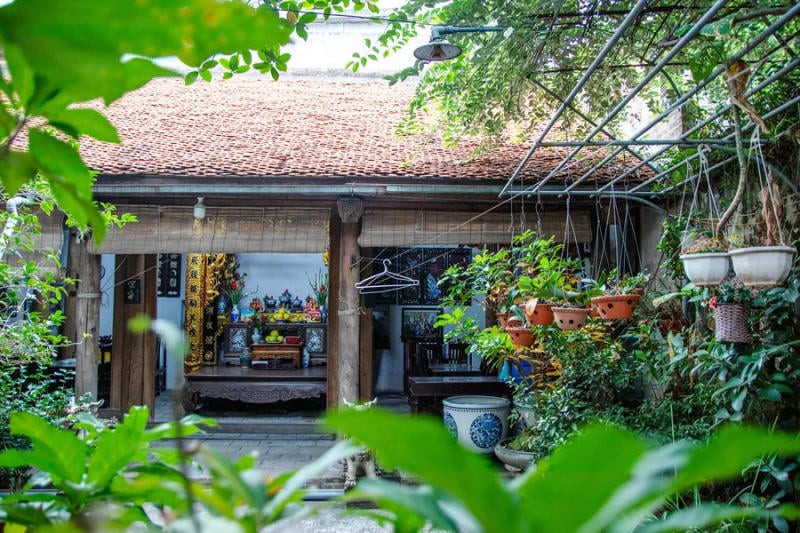
The ancient house of Van Van is a traditional wooden house in the old part of the village, with 3 rooms decorated in the northern Vietnamese style and a garden full of potted plants and ceramics. It shows how a family of potters lived, and it is open to visitors during the day.
Bat Trang Ceramic Village Communal House
Bat Trang Communal House is the village’s main ceremonial hall, dedicated to its tutelary deities and the host of the annual Bat Trang Village Festival. The festival, held on the 14th–16th days of the second lunar month, features processions with water and ancestral tablets, offerings, human chess and ceremonial singing. The hall also keeps old royal decrees and Le-dynasty ritual objects, and it is quietest outside festival days.
Ceramic Clay Yard
The ceramic clay yard is where visitors throw their own pot on a turning wheel, for about 40,000–80,000 VND (₹145–₹295) per person, with an artisan guiding first-timers from start to finish. No experience is needed, and children enjoy it most of all. Painting a ready-made piece is a quicker option for younger children.
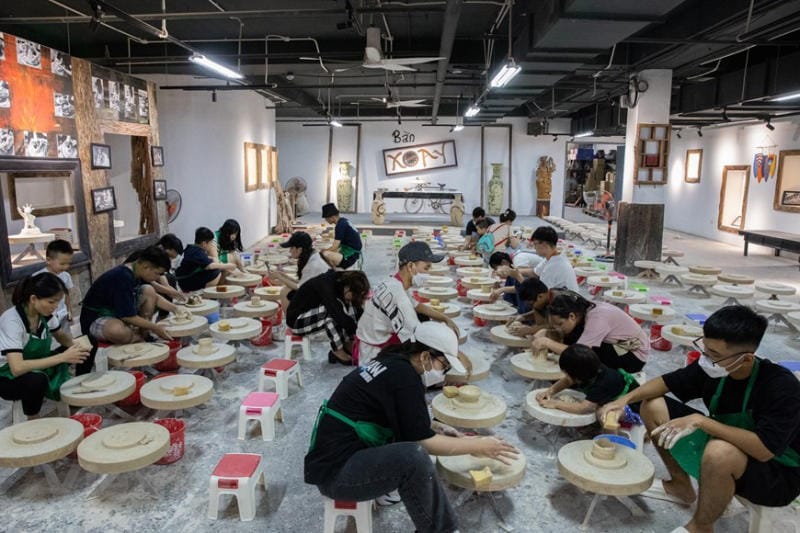
Pieces made on the wheel need to dry and be fired before they can be taken home, so travellers staying only 1 day in Hanoi usually paint a finished piece instead.
Bat Trang Pottery Museum
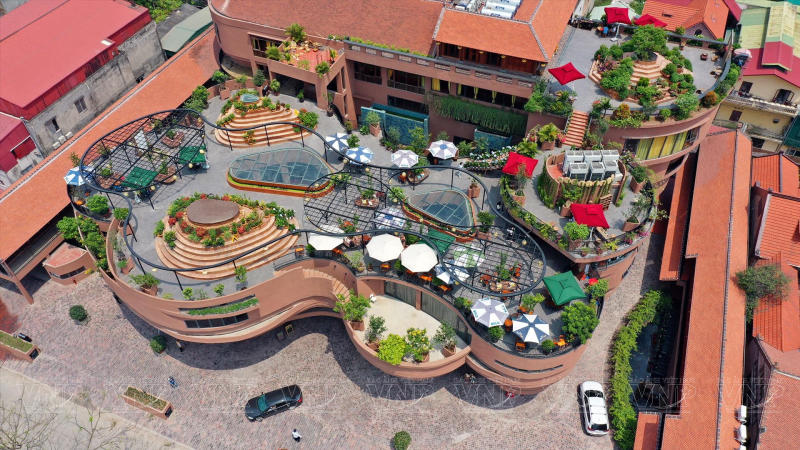
The Bat Trang Pottery Museum is a terracotta building shaped like stacked potter’s wheels, with 5 floors above ground and 1 basement, open about 8:00 AM–5:30 PM on weekdays and to 6:00 PM at weekends. Ticket prices depend on which floors and activities are included, from basic entry to packages with workshops and the rooftop.

The floors follow distinct themes:
- Ground and 1st floor: Reception and the history of Bat Trang pottery
- 2nd floor: Pottery past and present, with workshop space
- 3rd floor: Contemporary art and exhibitions
- 4th floor: Palace hall, restaurant and artisan café
- 5th floor: Huong Sa Art House and light sculpture
The exhibition floors hold pottery from every period of the village’s history.
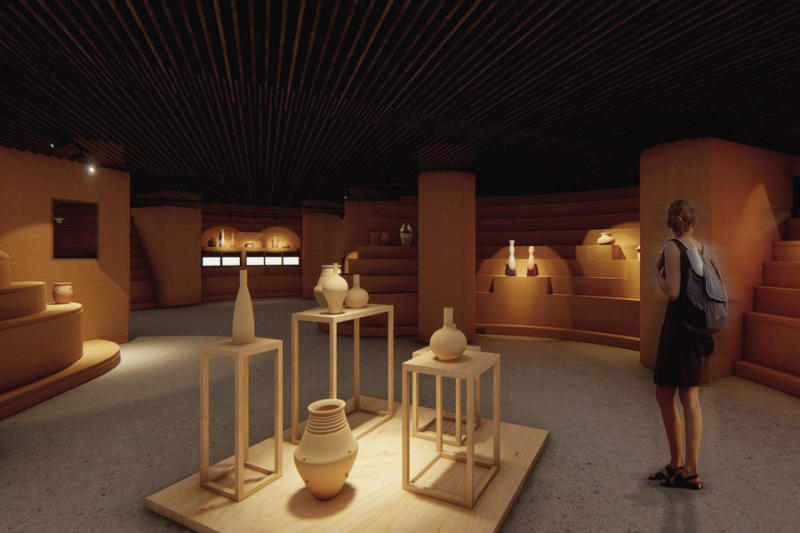
Visitors move slowly and keep noise low near the displays, and the rooftop gardens give the best photos of the village.
Bat Trang Pottery Market
The Bat Trang pottery market sells dishes, teapots, vases, jars, worship items and decorative pieces at near-workshop prices, and bargaining is normal at the stalls. Small items such as cups and bowls pack easily, while larger vases can be wrapped or shipped by the sellers. Prices fall the deeper the stall is inside the market, so comparing 2–3 stalls first pays off.
Bat Trang Pottery Village Cuisine
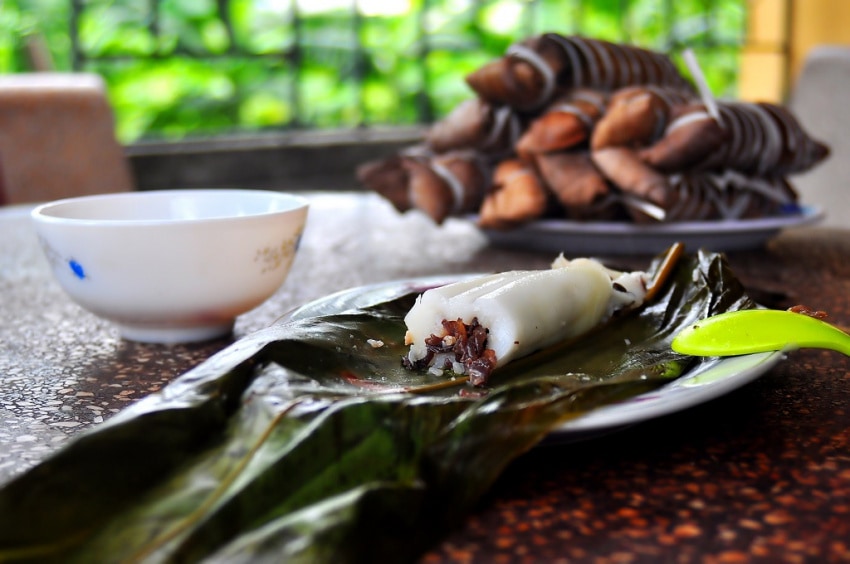
Bat Trang’s local dishes include banh te (steamed rice cake in leaves), grilled cassava cake and canh mang muc, a squid and bamboo-shoot soup served at village feasts. Vegetarian travellers can choose banh te without meat on request, sticky rice and fresh fruit.
Tips for Visiting Bat Trang Pottery Village
The most useful tips for Bat Trang Pottery Village are to arrive in the morning, check prices before buying, inspect each piece for cracks, and walk carefully among the displays. The tips that matter most are:
- Check prices first and bargain to about two-thirds of the opening price at market stalls.
- Walk gently between displays, especially with children, as stacked ceramics break easily.
- Inspect the base and rim of each piece for cracks, and watch for imitation pottery.
- Use the electric cars if travelling with elders, as the village covers a large area.
- Keep valuables secure and carry small Vietnamese dong notes.
Bat Trang ceramics are among the most practical Vietnam shopping buys to carry home, and the wider list of what to buy in Hanoi Vietnam covers silk, lacquer and coffee.
Final Thoughts
Bat Trang Pottery Village rewards a half-day visit with hands-on pottery, a striking museum and a ceramic market only 13–15 km from central Hanoi. It pairs well with the other traditional craft villages in Hanoi, such as Van Phuc silk village for silk and Quang Phu Cau incense village for its colourful incense yards, and the full list of sights in the city is in the guide to things to do in Hanoi.
Back in the city, the afternoon can continue at the Quang Ba flower market or the Hanoi train street, while shoppers can compare the markets in Hanoi, the shopping malls in Hanoi and the full guide to shopping in Hanoi.
Vietnamtour.in has planned Vietnam trips for more than 428,000 Indian travellers since 2015, and every Vietnam trip from India that starts in Hanoi can add a half day at Bat Trang with a private car and vegetarian or Jain meals arranged nearby. To plan the visit around your own dates, share the travel dates, group size and departure city in the form below, and a Vietnamtour.in expert will fit a pottery session and the museum into your day at Bat Trang Pottery Village.
OTHER ATTRACTIONS IN HANOI










ITINERARIES WITH BAT TRANG POTTERY VILLAGE

Hanoi · Sapa · Halong Bay

Hanoi · Ninh Binh · Halong Bay · Da Nang · Hoi An · Ho Chi Minh City · Mekong Delta