Vietnamese culture grew from wet-rice farming in the Red River Delta and was shaped by a thousand years of Chinese rule, Cham and Khmer influence in the south, and French colonial history. That history still shows today in the ancestor altars found in almost every home, the Tet holiday, the ao dai, and a cuisine built on rice, fresh herbs and fish sauce. This guide explains what travellers should know about family, religion, festivals, dress and the arts, food, daily life and etiquette before a trip to Vietnam.
The key facts about culture in Vietnam are:
| Fact | Detail |
|---|---|
| Population | About 102.3 million (2025) |
| Ethnic groups | 54 officially recognised; the Kinh (Viet) make up 85.3% |
| Language | Vietnamese, written in a Latin-based script (chữ Quốc ngữ) |
| Religion | About 27% belong to an official religion; Buddhism and Catholicism are the largest |
| Biggest festival | Tet (Lunar New Year), 6 February 2027 |
| Traditional dress | Ao dai (long tunic worn over trousers) |
| UNESCO | 17 intangible heritage elements; 9 World Heritage Sites |
Each of these is explained in the sections that follow, from the family altar to the rules of etiquette.
Family Values and Ancestor Worship
Family is the centre of Vietnamese life: children are raised to respect and care for their parents, several generations often live under 1 roof, and most homes keep an altar to honour the family’s ancestors. The main values are:
- Filial piety (hiếu thảo): Children are expected to respect and look after their parents and grandparents, a value rooted in Confucian teaching.
- Multigenerational homes: Grandparents, parents and children often live together in the same house.
- Ancestor altar: The altar holds an incense bowl in the centre, candlesticks on either side, flowers, fruit and photos of the family’s departed. Families burn incense on the 1st and 15th days of each lunar month, and the death anniversary (giỗ) is the most important family ritual of the year, when the whole family cooks a feast and shares it “with the ancestors”.
- Saving face: Vietnamese people avoid embarrassing others in public and rarely criticise someone directly.
The altar usually sits in the main room, often on the highest shelf of the house.

Travellers invited into a Vietnamese home should not touch the altar or turn their back or point their feet towards it. A small gift of fruit or tea is welcome, while white flowers are best avoided, and the eldest person in the room is greeted first.
Religion and Beliefs in Vietnam
About 27% of Vietnamese, or 26.5 million people, belong to an official religion, mainly Buddhism (over 14 million followers) and Catholicism (over 7 million), while most others follow folk beliefs and ancestor worship. The main faiths compare as follows:
| Religion | Followers | Note |
|---|---|---|
| Buddhism | Over 14 million | Largest religion; pagodas in every town |
| Catholicism | Over 7 million | First missionaries in the 16th century; first community in Hoi An in 1615 |
| Protestantism | Third-largest | — |
| Cao Dai | Fourth-largest | Vietnamese religion founded in 1926 in Tay Ninh, north-west of Ho Chi Minh City |
| Folk beliefs | Most of the population | Ancestor worship, village guardian spirits, Mother Goddess worship (UNESCO, 2016) |
Vietnam officially recognises 16 religions and 36 religious organisations, so a single town can hold a pagoda, a church and a village communal house within a few streets of each other.

Visitors to pagodas and temples should cover their shoulders and knees, take off their shoes before entering the main hall, and ask before photographing an altar or people at prayer.
Festivals and Traditions
Tet, the Lunar New Year, is Vietnam’s biggest festival and falls on 6 February in 2027, and like many Hindu festivals, it follows a lunisolar calendar, so its date moves every year. The main festivals are:
| Festival | When | What happens |
|---|---|---|
| Tet (Lunar New Year) | 1st day of the 1st lunar month; 6 February 2027 | Family reunions, ancestor offerings, lucky money (lì xì) in red envelopes, pagoda visits; a 5-day public holiday |
| Hung Kings Commemoration | 10th day of the 3rd lunar month | National holiday honouring the legendary founders; worship of the Hung Kings is on UNESCO’s list (2012) |
| Buddha’s Birthday (Phật đản) | 4th lunar month, usually in May | Lanterns and ceremonies at pagodas |
| Mid-Autumn Festival (Tết Trung thu) | 15th day of the 8th lunar month | Lanterns, mooncakes and lion dances, mainly for children |
During Tet, many shops and restaurants close for several days, while hotel rates and train and bus fares usually rise, so trips over the holiday are best booked well ahead.

Each of these festivals has its own best places to visit, and the dates for the year ahead are set out in the guide to Vietnam’s traditional festivals. Travellers whose trip falls in late January or February can see how families prepare, cook and celebrate the holiday in the guide to New Year in Vietnam.
Traditional Dress, Arts and Heritage
Vietnam’s best-known cultural symbols are the ao dai, the non la conical hat and water puppetry, and 17 Vietnamese traditions are on UNESCO’s intangible heritage lists, from Nha Nhac court music to Quan Ho folk songs. The main ones are:
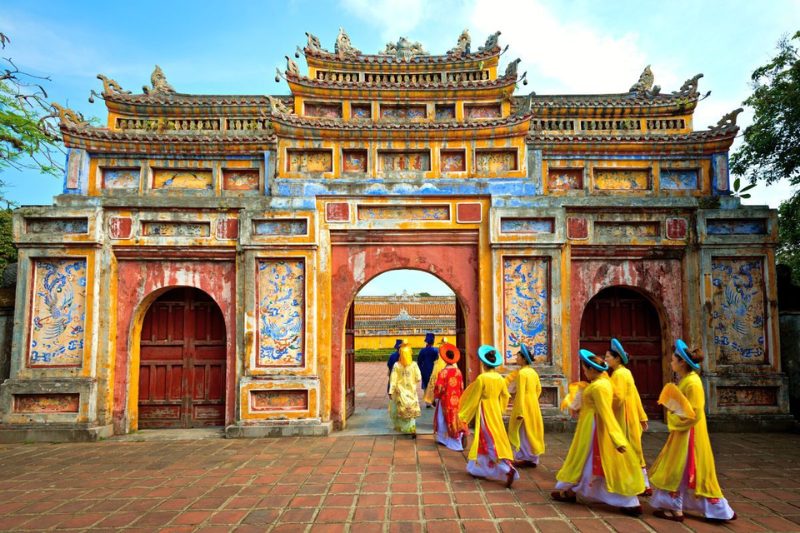
- Ao dai: A long, fitted tunic worn over trousers, used for formal occasions and Tet and as a uniform at some schools and workplaces. Travellers can have 1 tailored in Hoi An.
- Non la: The conical leaf hat shields farmers from sun and rain and is 1 of the most popular souvenirs in the country.
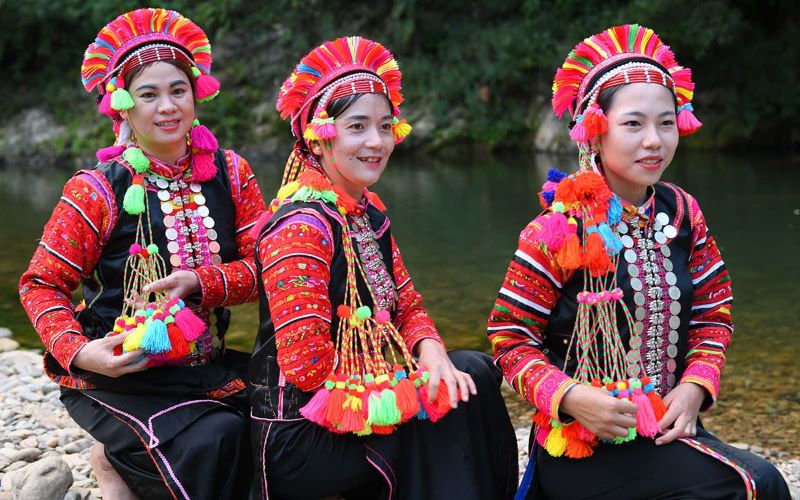
- Ethnic dress: The Hmong and Dao communities of the northern mountains, around Sapa, wear brightly embroidered clothing that differs from village to village.
- Water puppetry: Born in the Red River Delta and recorded since the Ly dynasty (1009–1225), the art uses a pool of water as the stage, with puppeteers hidden behind a screen.
- Traditional music on the UNESCO list: Nha Nhac court music of Hue (2008), Ca Tru (2009), Quan Ho folk songs of Bac Ninh (2009) and Don Ca Tai Tu of southern Vietnam (2013).
The ao dai is most visible at Tet, weddings and school ceremonies.

Each of Vietnam’s 54 ethnic groups has its own dress, and the regional styles, fabrics and where to see them are covered in the guide to traditional costumes in Vietnam. Hanoi is the best place to see water puppetry performed on its home ground, and the guide to the Thang Long Water Puppet Theatre covers show times and tickets.
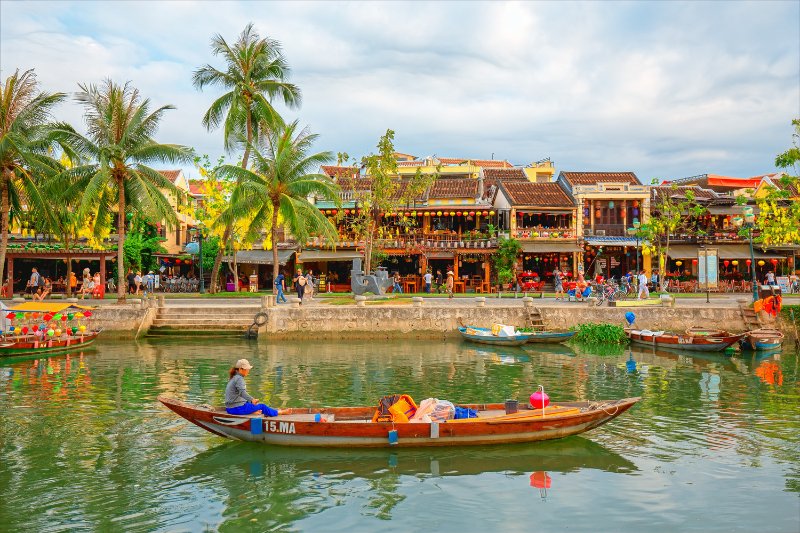
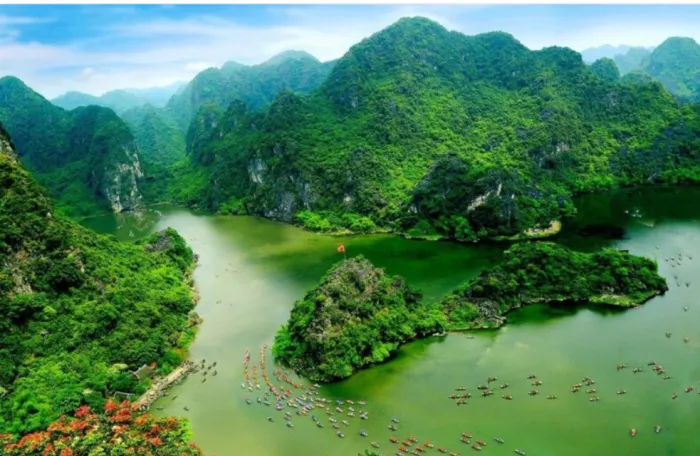
Vietnam also has 9 World Heritage Sites, among them Hoi An Ancient Town, the My Son Sanctuary and the Trang An Landscape Complex, so many of these traditions can be seen in the places where they took shape.

Vietnamese Food Culture
Vietnamese food is built on rice, fresh herbs and fish sauce and aims to balance 5 tastes, spicy, sour, bitter, salty and sweet, with chilli usually served on the side, so each diner adds their own heat. The main traditions are:
- Shared meals: Dishes are placed in the middle of the table, and each person has a small bowl of rice and a pair of chopsticks.
- Regional styles: Northern food is light, with little chilli or sugar. Central food is bold and spicy and famous for the dishes of Hue. Southern food is sweeter and uses more coconut milk.
- Vegetarian food (chay): Many Buddhists eat vegetarian food on the 1st and 15th days of each lunar month, and vegetarian restaurants are usually found near the larger pagodas. Vegetarian travellers can order with the word “chay” and ask for “không nước mắm” (no fish sauce). Green papaya salad, vegetarian bánh mì and vegetarian sticky rice are easy dishes to start with.
A typical family meal has rice, a soup, a vegetable dish and 1 or 2 shared mains.

Every region has its own signature dishes, and the guide to the best Vietnamese food lists which ones are worth ordering in each part of the country.
Daily Life and Lifestyle in Vietnam
Daily life in Vietnam starts early and happens outdoors: people exercise in parks and shop at markets around dawn, meet over coffee on low plastic stools, and get around mostly by motorbike. The main routines are:
- Morning routines: Parks and lake shores fill with people exercising at dawn, and fresh food is bought at the morning market.
- Coffee culture: Iced coffee with condensed milk (cà phê sữa đá) is the everyday drink, egg coffee is a Hanoi speciality, and pavement cafés with low plastic stools line most streets.
- Motorbikes: The motorbike is the main family vehicle. Pedestrians crossing the street should walk slowly and steadily, without running or stopping suddenly, so riders can steer around them.
- Family meals and lunch breaks: The evening meal is the main family meal, and many people take a midday rest, so some offices and small shops close around lunchtime.
Pagodas are part of daily life too, and travellers who want to visit them can find the most rewarding sites, and the best times to see them, in the guide to famous temples and pagodas in Vietnam. For a first trip, the flights, visa and costs that come before any of this daily life are set out in the guide to planning a trip to Vietnam from India.
Vietnamese Etiquette for Visitors
Vietnamese etiquette comes down to respect and saving face: visitors should dress modestly at temples, give and receive things with both hands, greet the eldest person first, and avoid raising their voice in public.
Do
Good manners in Vietnam centre on modest dress, both-handed gestures and respect for elders. The habits to follow are:
- Remove shoes before entering a home or the main hall of a pagoda.
- Cover shoulders and knees at pagodas and in the countryside.
- Give and receive things with both hands, or with the right hand.
- Greet the eldest person first, with “xin chào” (hello) and “cảm ơn” (thank you).
- When drinking, raise glasses together and call “một, hai, ba, dô”.
- Ask before taking photos of people.
- Bring a small gift, such as fruit, cakes or tea, when invited to a home.
Toasts are frequent at family meals and celebrations, and each new round starts with a shout together.

Don’t
The main things to avoid in Vietnam are public displays of anger or affection and gestures that single people out. The habits to avoid are:
- Kiss or hug in public beyond what is usual locally.
- Point at people or touch anyone’s head, especially an older person’s.
- Cross fingers for luck, which is seen as rude.
- Lose your temper, raise your voice, or criticise someone in front of others.
- Stand in front of an altar or step over 1 placed on the floor.
- Give gifts wrapped in black.
Most Vietnamese hosts forgive a visitor’s slips, and a smile and a “xin lỗi” (sorry) go a long way.
FAQs about Vietnamese Culture
Visitors asking about culture in Vietnam most often want to know what it is known for, the main religion, how it compares with Chinese culture, and whether to tip.
What is Vietnamese culture known for?
Vietnamese culture is known for strong family ties and ancestor worship, the Tet festival, the ao dai, water puppetry, and a fresh, herb-filled cuisine led by pho. Many of these traditions are still part of everyday life, from the altar in the living room to the coffee stool on the pavement.
What religion are most Vietnamese?
Most Vietnamese follow folk beliefs and ancestor worship, and among official religions, Buddhism is the largest with over 14 million followers, followed by Catholicism. About 27% of the population belongs to 1 of the 16 officially recognised religions.
Is Vietnamese culture similar to Chinese culture?
Yes, partly: Vietnamese culture shares Confucian values, the lunisolar calendar and many festivals with China after a thousand years of Chinese rule, but it has its own Latin-based script, water puppetry, and a lighter, herb-based cuisine. The script, chữ Quốc ngữ, was devised by Jesuit missionaries in the first half of the 17th century and became the official writing system after 1945.
Do you tip in Vietnam?
No, tipping is not expected in Vietnam, but it is common for tour guides, drivers and spa staff. Restaurants and shops do not usually expect a tip, though rounding up the bill is always appreciated.
Experiencing Vietnamese Culture on a Trip
Vietnam’s culture is easiest to understand through its families, its festivals and its food, and most of what visitors notice, from incense at a shop altar to chilli on the side of the plate, traces back to the same values of respect and togetherness.
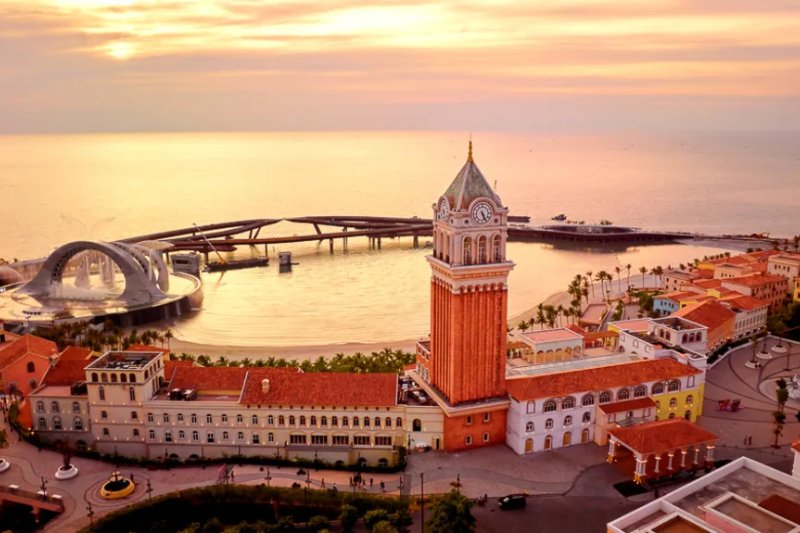
Vietnamtour.in, a Vietnam travel agency that has served 428,000+ Indian travellers since 2015, builds trips around these traditions, from pagoda visits and a water puppet show to vegetarian or Jain meals on request. Travellers can browse every Vietnam tours package, start with the classic Vietnam tours that link Hanoi, Hue and Hoi An, or finish on the beach with Phu Quoc packages.
- Hanoi HQ: Floor 4, Bao Anh Building, 62 Tran Thai Tong, Cau Giay, Hanoi
- Delhi: A 10/1 Gujrawala Town Part 1, Main G T Karnal Road, Delhi 110009
- India hotline: +91 88502 95722
- Vietnam / WhatsApp: +84 948 333 087
- Email: [email protected]
Share the travel dates, group size and departure city in the form below to start the plan.
RELATED ARTICLES




RECOMMENDED VIETNAM TOURS
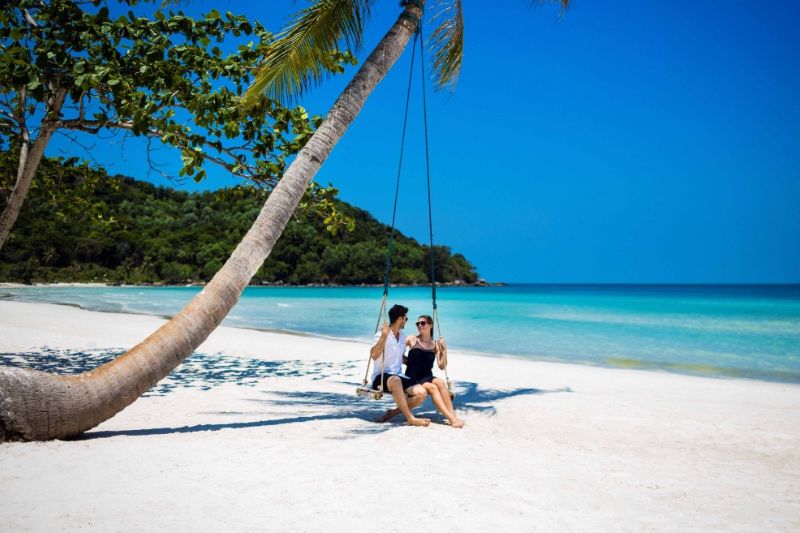
Phu Quoc · Da Nang · Hoi An
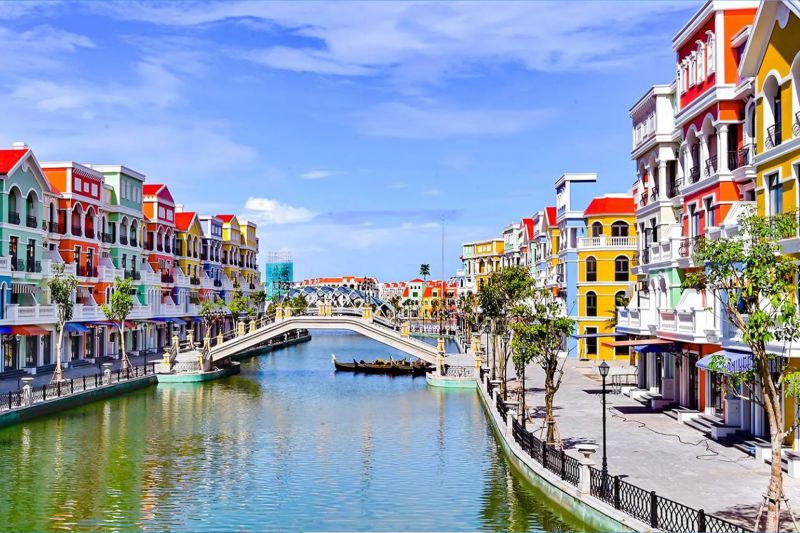
Hanoi · Halong Bay · Da Nang · Hoi An · Phu Quoc
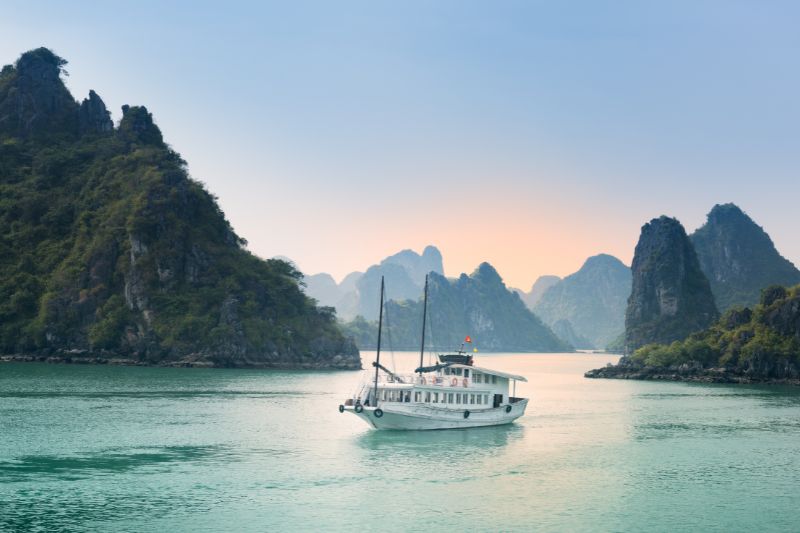
Hanoi · Halong Bay · Ho Chi Minh City · Mekong Delta
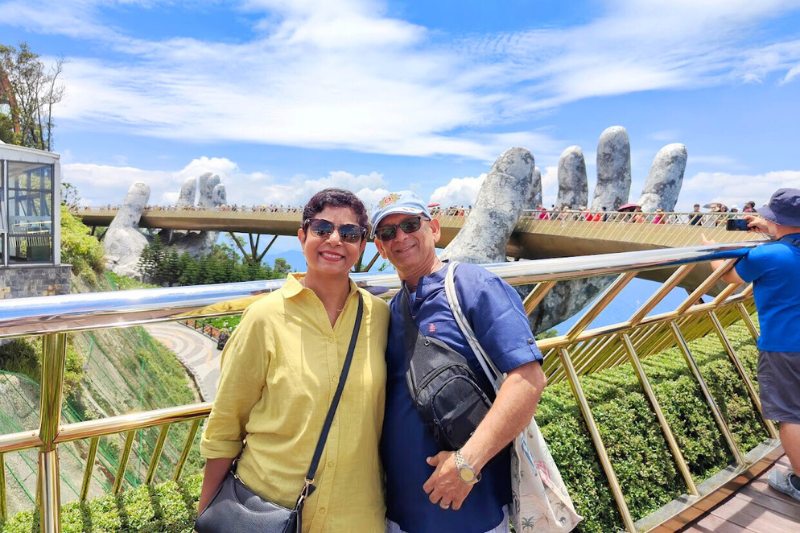
Ho Chi Minh City · Mekong Delta · Da Nang · Hoi An · Hanoi · Sapa · Halong Bay
Hanoi · Ninh Binh · Halong Bay · Da Nang · Hoi An
Hanoi · Ninh Binh · Halong Bay · Da Nang · Hoi An · Ho Chi Minh City · Mekong Delta
Hanoi · Halong Bay · Da Nang · Hoi An · Phu Quoc
Hanoi · Ninh Binh · Halong Bay · Da Nang · Hoi An · Ho Chi Minh City · Mekong Delta