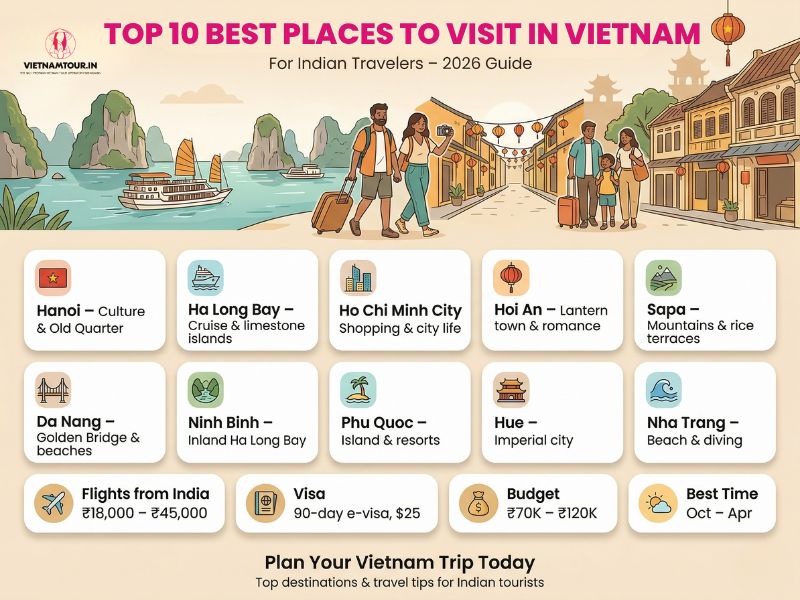
Vietnam has 10 destinations that Indian tourists visit most frequently, ranging from the UNESCO-listed ancient town of Hoi An to the limestone karst formations of Halong Bay. Indian travelers from Mumbai, Delhi, Bengaluru, and Chennai fly direct or with one stop to Hanoi and Ho Chi Minh City, with round-trip airfares starting from ₹18,000 (off-peak) and averaging ₹30,000–₹45,000 (peak). Vietnam grants Indians a 90-day e-visa at USD 25 (approximately ₹2,200), processed online in 3–5 business days.
Based on insights from Vietnamtour.in — the No.1 premium Vietnam tour operator for Indian travelers — these Vietnam destinations reflect real travel patterns observed across more than 428,000 Indian visitors since 2015.
1. Hanoi
Hanoi is Vietnam’s 1,000-year-old capital and the country’s most concentrated heritage zone — the Old Quarter’s 36 streets, Hoan Kiem Lake, and the Temple of Literature (founded in 1070, Vietnam’s first university) sit within a 2 km walking radius. Indian travelers fly direct from Delhi, Mumbai, and Kolkata via Air India, IndiGo, and Vietnam Airlines, with a direct flight time of approximately 5 hours from Delhi.
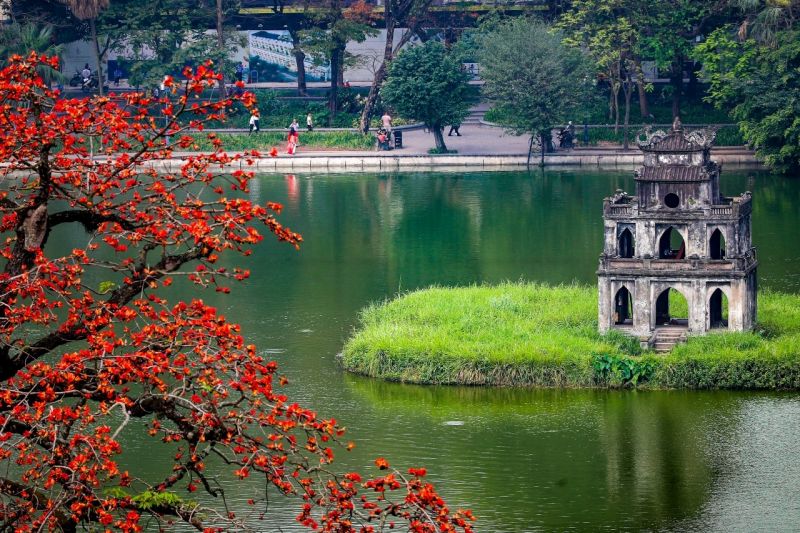
The capital city rewards Indian travelers with a dense concentration of heritage sites within walking distance: Hoan Kiem Lake and Ngoc Son Temple in the city center, the 36-street Old Quarter, the Ho Chi Minh Mausoleum complex, and the Temple of Literature. Budget travelers spend approximately ₹3,500–₹5,000 (980,000–1,400,000 VND) per day in Hanoi, including accommodation, meals, and local transport.
What to See in Hanoi
Hoan Kiem Lake is walkable from most Old Quarter hotels and best visited at dawn. The restored Ngoc Son Temple on the lake’s small island costs 30,000 VND (₹125) for entry. The Old Quarter’s 36 streets — each historically dedicated to a single trade — are best explored on foot between 7–10 AM before traffic builds. The French Quarter adds a layer of colonial architecture familiar to Indian travelers who have visited Pondicherry or Kolkata.
Is Hanoi Good for Indian Food and Vegetarian Travelers?
Hanoi is among the most convenient cities in Vietnam for vegetarian and Jain-friendly dining, thanks to a growing network of Indian restaurants and clearly labeled vegetarian (“chay”) options across the Old Quarter, according to Ms. Huyen Tran, Director of Tour Operations at Vietnamtour.in (10 years of experience serving Indian travelers). Vegetarian restaurants in Hanoi offer tofu, mushroom, and vegetable dishes from ₹160–₹400 (45,000–110,000 VND) per meal. Jain travelers should specify “no garlic, no onion” (không tỏi, không hành) when ordering.
2. Halong Bay
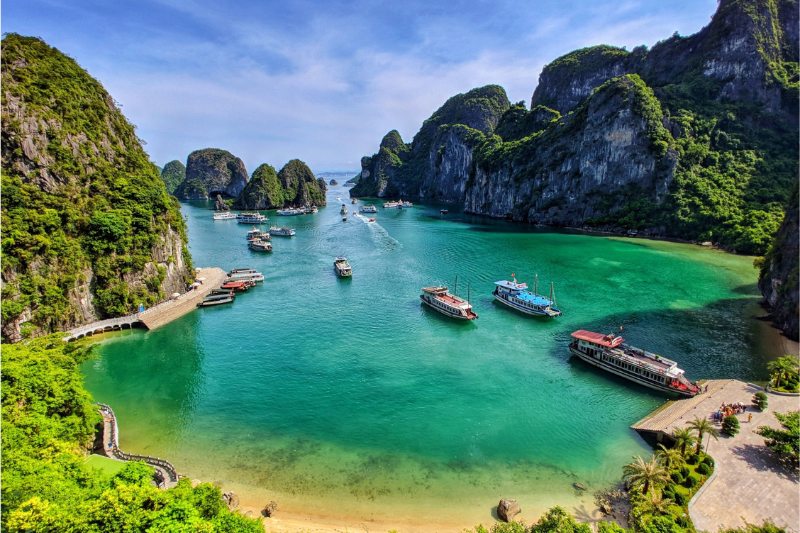
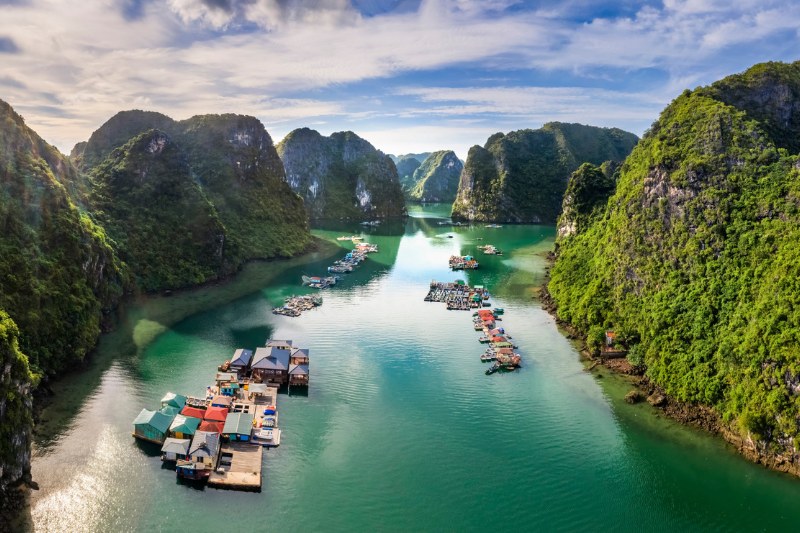
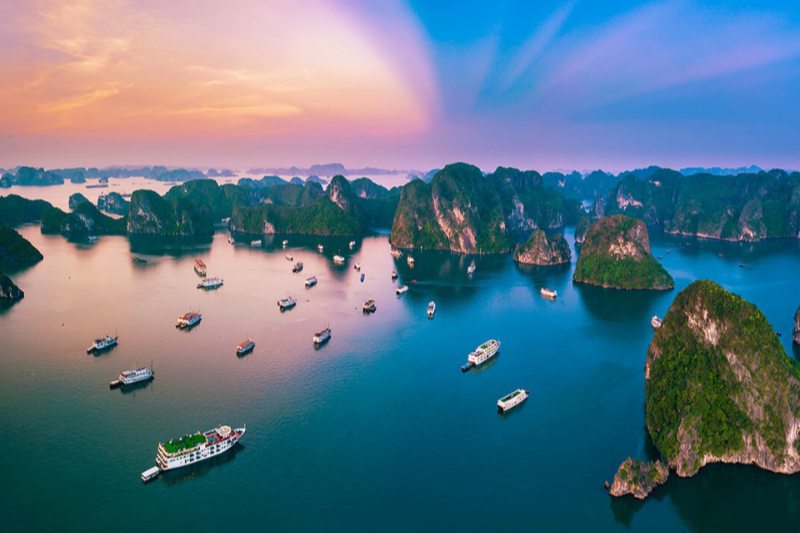
Halong Bay is Vietnam’s most-visited natural attraction and a UNESCO World Natural Heritage Site (inscribed twice, 1994 and 2000), containing 1,969 islands and islets across 1,553 sq km of sea in northeastern Vietnam. A 2-day/1-night cruise is the most-booked format among Indian tourists exploring Halong Bay. Based on operational experience from more than 46,000 tours handled by Vietnamtour.in, advance cruise booking is strongly recommended for Indian travelers requiring vegetarian, Jain, or halal meals, as only selected cruise lines accommodate these needs.
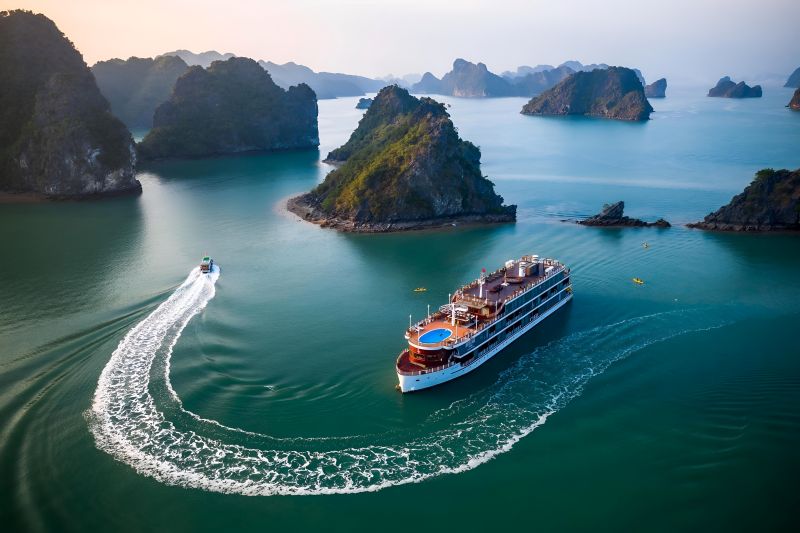
Updated 2026 cruise pricing per person for 2D/1N in Halong Bay:
- Budget cruises (3-star): ₹11,100–₹19,900 (3,108,000–5,572,000 VND)
- Mid-range cruises (4-star): ₹12,800–₹22,000 (3,584,000–6,160,000 VND)
- Luxury cruises (5-star): ₹14,200–₹34,000 (3,976,000–9,520,000 VND)
Transfer from Hanoi to the cruise pier takes approximately 2.5 hours by road and costs around ₹4,000–₹5,500 per person round-trip if not included in the package. Best season: March–May and September–November — Indian travelers should avoid July–August to skip typhoon-season sea conditions.
Halong Bay Cruise Options and Prices for Indian Tourists in INR
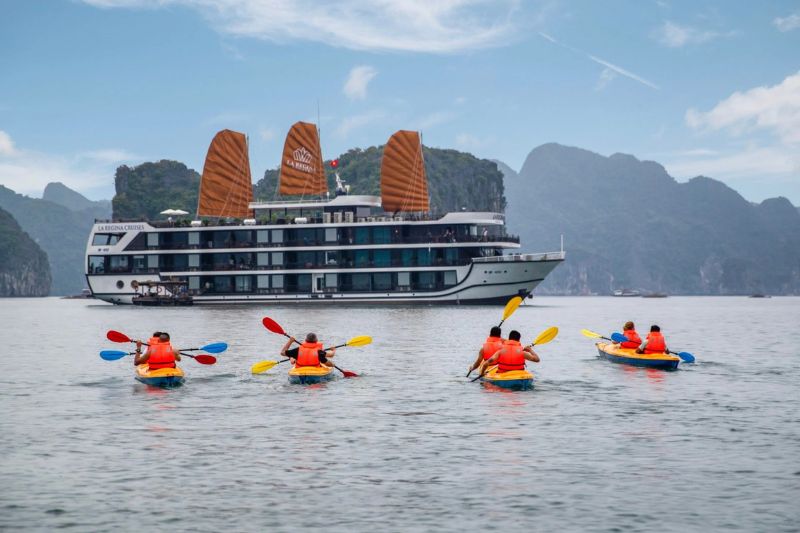
Most Indian tour operators book 2D/1N packages that include Sung Sot Cave, Ti Top Island, kayaking, and onboard Vietnamese meals. Halal and Indian meal options are available on select 5-star cruises, including Ambassador Cruise, Scarlet Pearl, and Grand Pioneers — confirm when booking.
Is Halong Bay a Day Trip or Overnight Stay?
Halong Bay is not suited to a day trip from Hanoi. The 2.5-hour road transfer each way leaves fewer than 5 hours on the water — insufficient to reach the bay’s core attractions. A minimum 2D/1N overnight cruise is strongly recommended for Indian first-time visitors.
3. Ho Chi Minh City
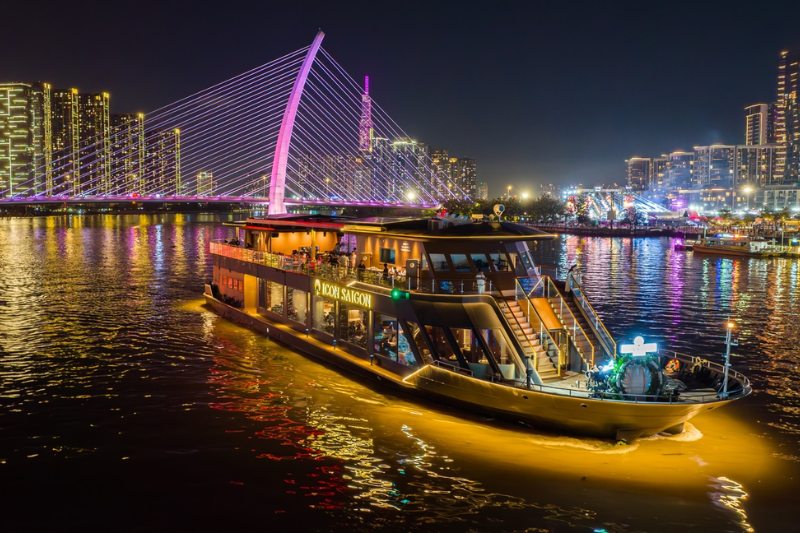
Ho Chi Minh City is Vietnam’s commercial heart and the country’s most India-connected metropolis — home to Vietnam’s largest Indian expat community, a Gujarati Jain temple in District 1, and the highest density of Indian restaurants in Southeast Asia outside Singapore. The city has approximately 9 million residents and serves as the southern gateway for Indian tourists flying from Mumbai, Chennai, Bengaluru, and Hyderabad — all of which have direct or one-stop connections to Tan Son Nhat International Airport.
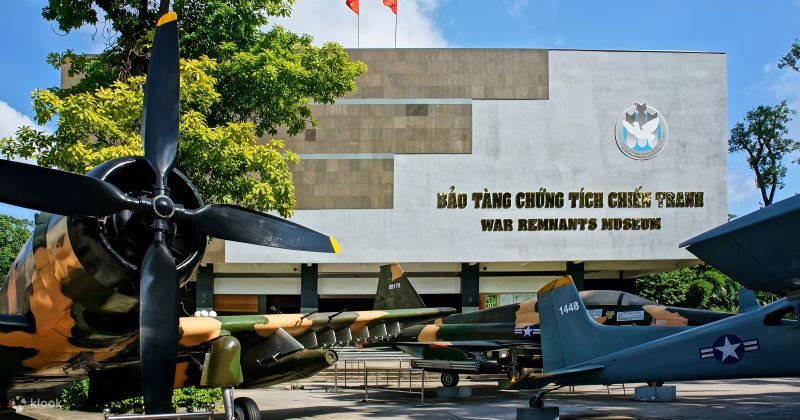
Top attractions include the War Remnants Museum (entry: 40,000 VND / ₹165), Ben Thanh Market, the Reunification Palace, and Notre-Dame Cathedral. Day trips extend to Cu Chi Tunnels (1.5 hours), the Mekong Delta (2 hours), and Vung Tau Beach (2.5 hours). Ben Thanh Market offers budget shopping from ₹300 (84,000 VND) per item.
Top Attractions in Ho Chi Minh City for First-Time Indian Visitors
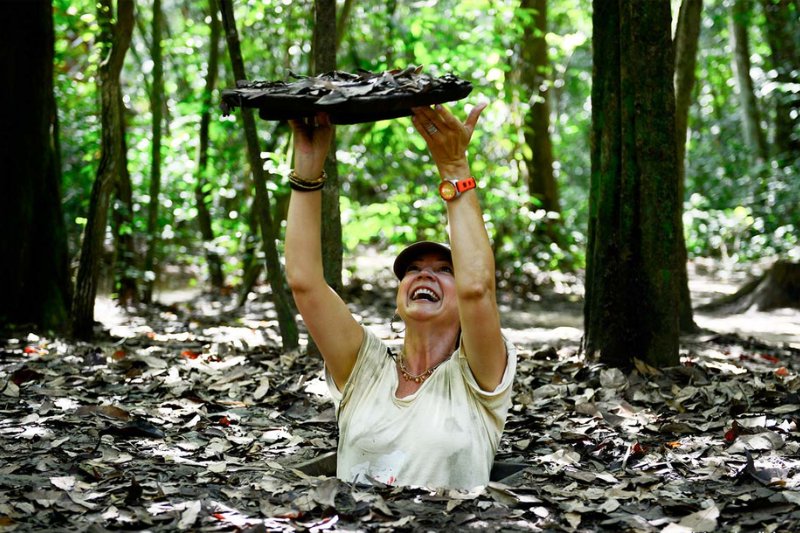
The War Remnants Museum documents the Vietnam War with extensive photographic archives and is one of the most-visited museums in Southeast Asia. Cu Chi Tunnels — a 250 km underground network — offers a half-day experience that resonates strongly with Indian visitors. The Nguyen Hue Walking Street evening market runs nightly and is free to explore.
Ho Chi Minh City for Vegetarian and Jain Travelers
District 1 and District 3 have the highest concentration of Indian restaurants in Vietnam — including Saravana Bhavan, Ganesh Indian Restaurant, and Tandoor. Buddhist vegetarian restaurants (marked “chay”) serve entirely plant-based menus. Jain travelers should communicate dietary restrictions clearly — most Indian restaurants accommodate no-onion, no-garlic requests.
4. Hoi An
Hoi An is Vietnam’s #1 honeymoon destination for Indian couples — a UNESCO World Heritage Site (inscribed December 1999) preserving more than 1,100 timber-frame buildings intact from the 15th to 19th centuries, with riverside lantern-lit evenings, custom tailoring within 24 hours, and traffic-free old-town walks. The monthly Full Moon Lantern Festival — held on the 14th of each lunar month — closes the old town to motor vehicles. Custom ao dai can be made to measure in 24 hours from approximately ₹2,500 (700,000 VND). Hoi An is located 28 km from Da Nang International Airport (approximately 40 minutes by car).
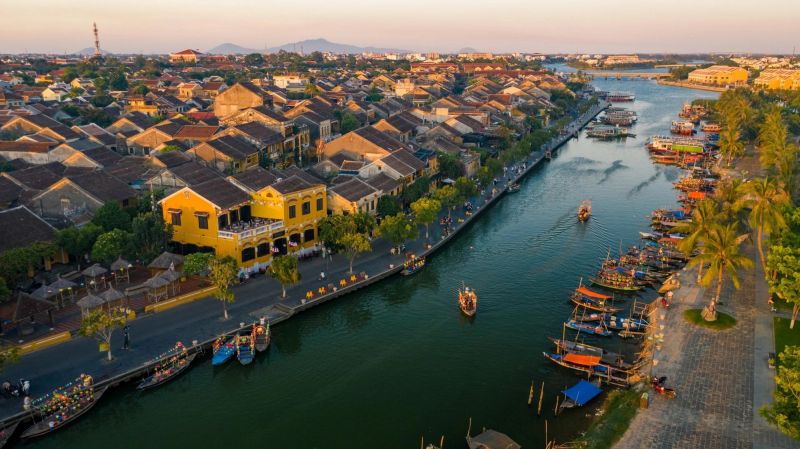
Why Hoi An is Vietnam’s Top Honeymoon Destination for Indian Couples
Hoi An’s combination of heritage architecture, riverside candlelit dinners, beach access at Cua Dai Beach (5 km from the old town), and proximity to Cham Islands — a UNESCO Biosphere Reserve — makes it the most photographed destination in Vietnam by Indian honeymoon travelers.
What to Do in Hoi An
The Central Market offers street food including White Rose dumplings, Cao Lau noodles, and Hoi An chicken rice — three local specialties unavailable elsewhere in Vietnam. Tailoring shops on Le Loi and Tran Phu Streets produce custom suits and dresses within 24–48 hours. Cham Islands day trips depart from White Beach pier and take approximately 30 minutes by speedboat.
5. Sapa
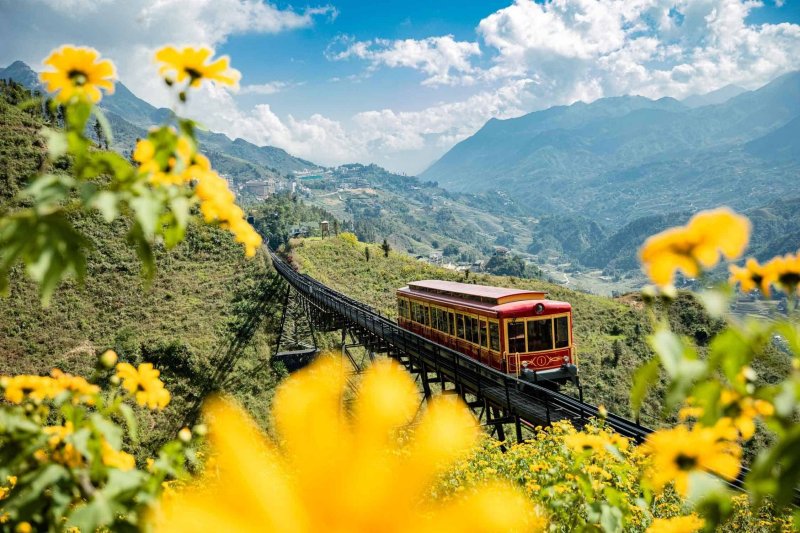
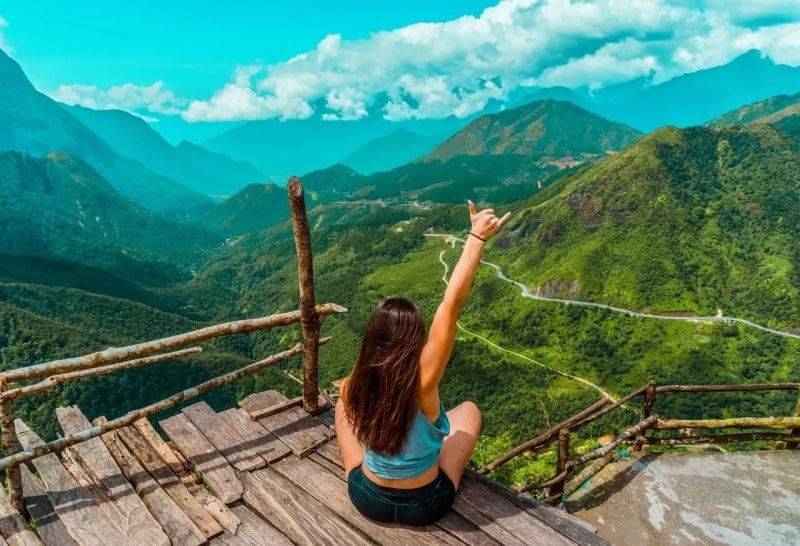
Sapa is Vietnam’s most popular mountain destination for Indian adventure travelers, sitting at 1,500 m elevation in Lao Cai Province with terraced rice fields descending through Muong Hoa Valley and Fansipan Mountain (3,143 m, the highest peak in Indochina) above. Fansipan Mountain is reachable by cable car in 15 minutes — a faster, more accessible option than the 2-day summit trek.
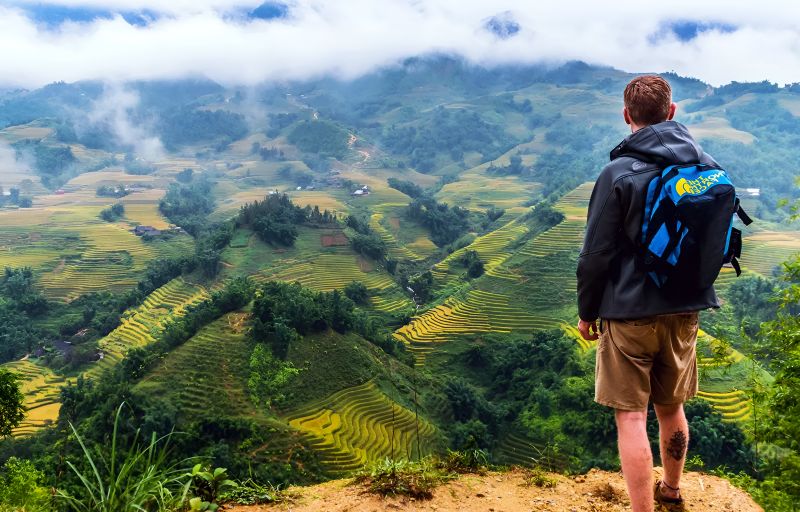
Updated 2026 cable car pricing:
- Weekday adult ticket: 850,000 VND (~₹2,900)
- Saturday and public holiday: 900,000 VND (~₹3,050)
- Muong Hoa funicular round-trip: 200,000 VND (~₹830)
Best season: September–November for golden harvest rice terraces. The overnight train from Hanoi to Lao Cai takes 8 hours; coach buses take 5–6 hours via the new expressway.
Sapa Trekking Routes for Indian Tourists
Sapa offers 3 trekking levels suited to different fitness profiles:
- Easy: Cat Cat Village walk (3 km, 2 hours) from Sapa town center.
- Moderate: Muong Hoa Valley full-day trek (12 km) through rice terraces and ethnic minority villages, best with a local guide.
- Difficult: 2-day Fansipan summit trek via the Hoang Lien Son range — requires good fitness and costs approximately ₹2,500–₹4,000 per day for a licensed guide.
Fansipan Mountain
The cable car suits most Indian families and couples — 15 minutes versus 2 days of trekking, with panoramic views of the Hoang Lien Son range on clear days. The trek suits physically fit travelers aged 20–45 who want an immersive wilderness experience.
6. Da Nang
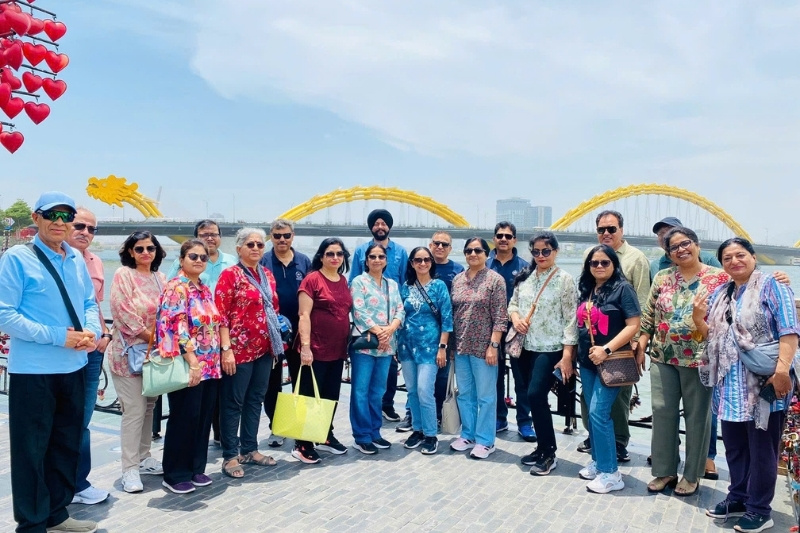
Da Nang is Vietnam’s most accessible coastal destination for Indian tourists — a 30-minute domestic flight from Ho Chi Minh City, with direct seasonal international flights from Bengaluru and Mumbai via IndiGo and VietJet, plus 30 km of beach (My Khe and Non Nuoc) inside city limits. Da Nang is Vietnam’s 4th largest city and home to Ba Na Hills — a French-colonial hill station at 1,487 m elevation that includes the Golden Bridge, Vietnam’s most-photographed landmark of 2024 and 2025.
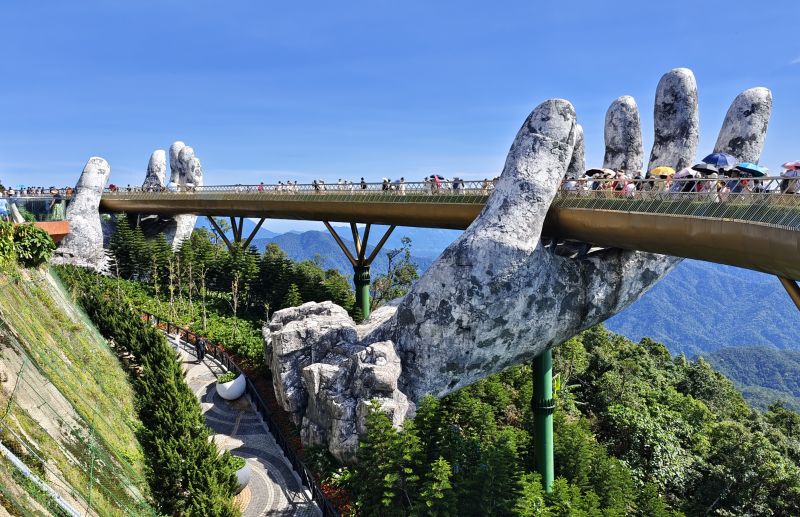
Updated 2026 Ba Na Hills entry: 1,000,000 VND (~₹3,300) per adult, including unlimited cable car rides, access to the Golden Bridge, and Fantasy Park.
Ba Na Hills and the Golden Bridge
The Ba Na Hills ticket (₹3,300 adult) covers almost all attractions within the complex, including the cable car, Golden Bridge, Fantasy Park’s 90+ games, Le Jardin D’Amour flower gardens, and Linh Ung Pagoda. Additional fees apply only for the Wax Museum and Debay Wine Cellar. Book tickets online in advance on weekends and Vietnamese public holidays to avoid 1–2 hour queues.
Da Nang Beaches
My Khe Beach stretches 30 km with lifeguards, beach clubs, and water sports rental from approximately ₹800 (225,000 VND) per hour. Non Nuoc Beach (8 km south) is quieter and backed by the Marble Mountains — five limestone hills containing Buddhist and Hindu cave temples (entry: 40,000 VND / ₹165) that Indian travelers find particularly resonant.
7. Ninh Binh
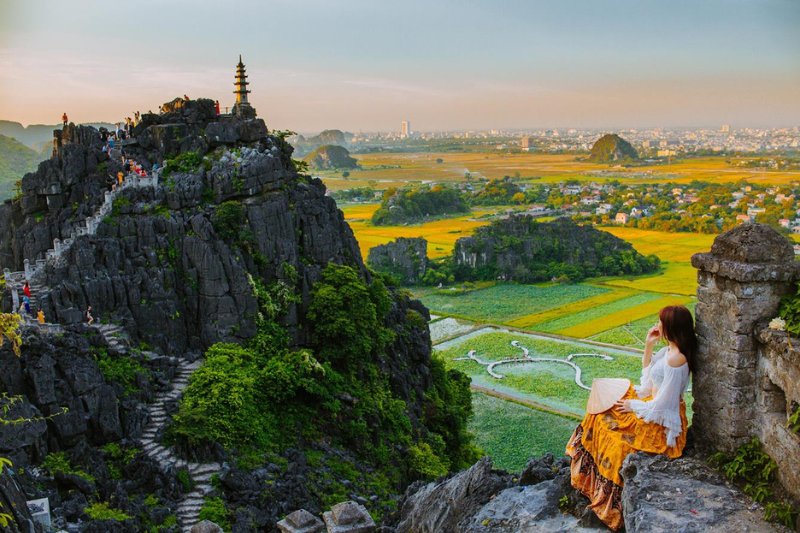
Ninh Binh is Vietnam’s seasickness-free alternative to Halong Bay — Halong-equivalent karst scenery on land and river, located 90 km south of Hanoi (a 2-hour drive). The Trang An Landscape Complex has been a UNESCO World Heritage Site since 2014. The Mua Cave viewpoint — reached by a 500-step climb — offers the most photographed panorama of northern Vietnam after Halong Bay. Budget accommodation starts from USD 8–15 per night (₹760–₹1,425), making Ninh Binh the most cost-effective overnight destination from Hanoi.
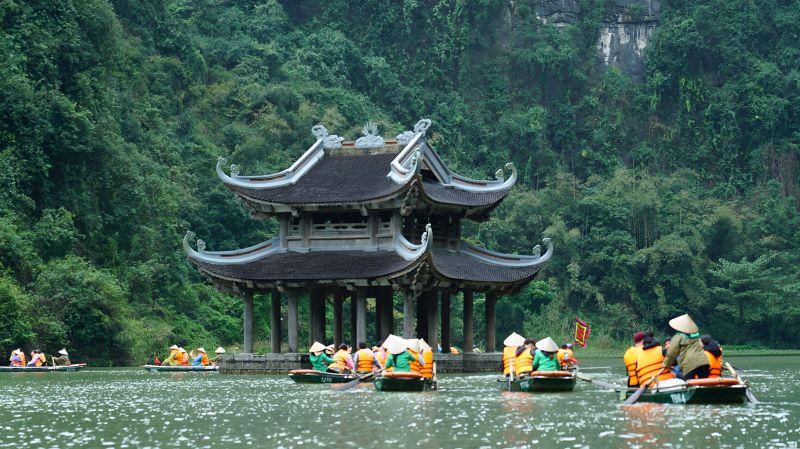
Trang An Boat Tour vs Tam Coc
Trang An covers more distance (approximately 12 km by rowboat through 9 caves) and is the UNESCO-designated route — best for Indian travelers who want the full landscape experience over 2.5–3 hours. Tam Coc is shorter (3 caves, 2-hour rowing), more crowded, and better for time-limited day-trippers. Both cost approximately ₹700–₹830 (200,000–230,000 VND) per person for the boat tour.
Ninh Binh as a Day Trip from Hanoi
A Ninh Binh day trip from Hanoi works well if departing by 7–8 AM. Organized day tours from Hanoi cost approximately ₹1,650–₹2,500 (460,000–700,000 VND) per person, including transport and guide. Ninh Binh is also the filming location for Kong: Skull Island (2017), a point of interest for Indian movie travelers.
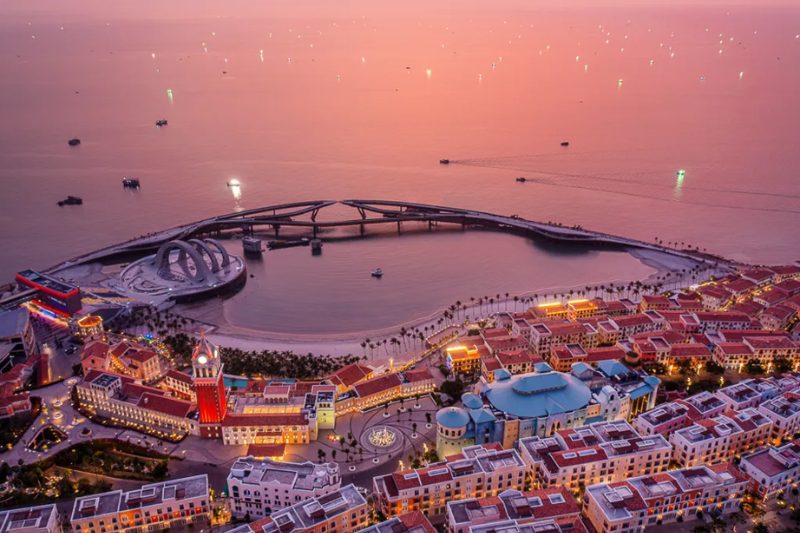
8. Phu Quoc
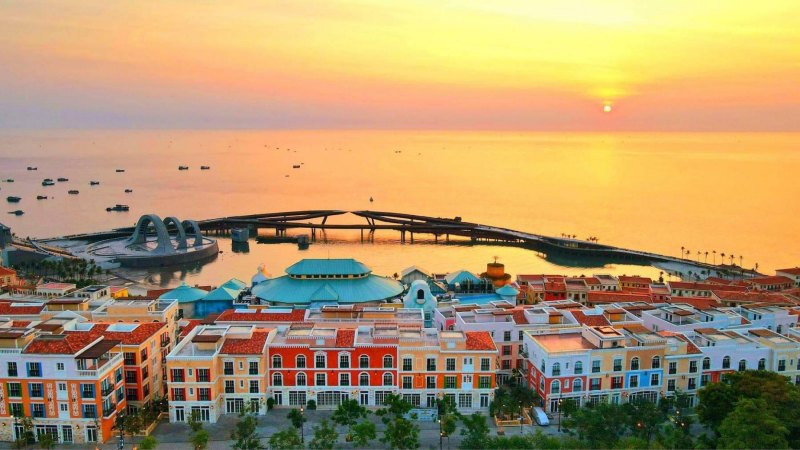
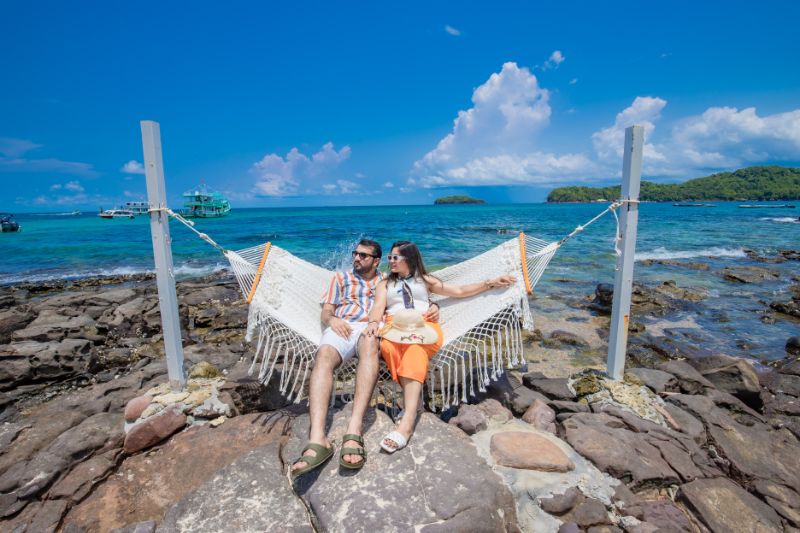
Phu Quoc is Vietnam’s premier beach destination for Indian honeymooners and family tourists — a 574 sq km tropical island in the Gulf of Thailand, home to Bai Sao’s white sand, the world’s longest non-stop 3-rope overwater cable car (Hon Thom, nearly 8 km), and 6 Indian restaurants plus 4 hotels offering Indian breakfast menus. Phu Quoc receives direct seasonal charters from Mumbai and Delhi during peak season (October–April). Water temperature stays at 27–29°C year-round. The best time for Indian visitors to travel to Phu Quoc is November–March.
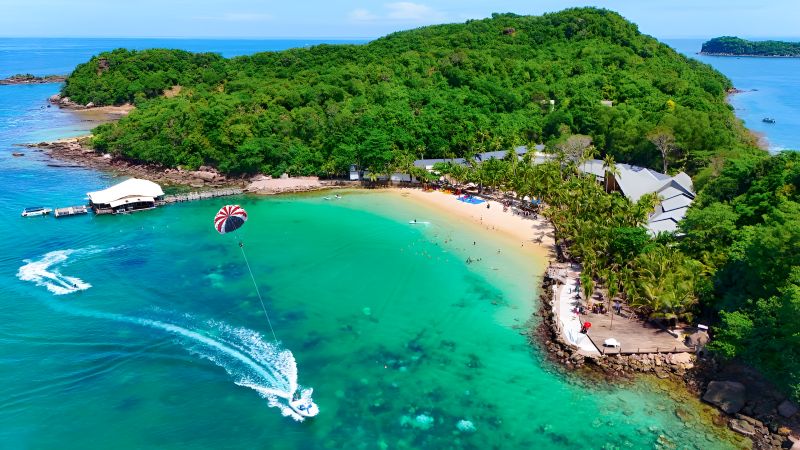
Among the 428,000+ Indian travelers served by Vietnamtour.in, Phu Quoc consistently ranks among the top beach destinations, especially when combined with Halong Bay and Hoi An in honeymoon itineraries.
Best Beaches in Phu Quoc for Indian Tourists
Bai Sao (Star Beach) on the southeast coast offers the clearest water and white sand with minimal development — best for Indian couples and families who prefer quieter settings. Bai Dai (Long Beach) has the most beach clubs, water sports, and resort infrastructure. Ong Lang Beach on the northwest coast is the quietest option, preferred by honeymooners.
Phu Quoc Resorts with Indian Food
Phu Quoc has 6 resorts and hotels with on-site Indian breakfast menus or in-villa Indian dining service, distributed across 3 budget tiers:
- Budget (under ₹5,000/night): Guesthouses and 2-star hotels in Duong Dong town center, closest to Indian restaurants and the night market.
- Mid-range (₹5,000–₹12,000/night): 3–4 star beach resorts along Long Beach.
- Luxury (₹15,000+/night): 5-star beachfront resorts including JW Marriott, InterContinental, and Premier Residences.
9. Hue
Hue is Vietnam’s former imperial capital (1802–1945, Nguyen Dynasty) and the country’s most concentrated dynasty-era heritage site — the Imperial Citadel covers 520 hectares and includes Thai Hoa Palace, the Forbidden Purple City, and 9 ceremonial cannons. Thien Mu Pagoda — Vietnam’s tallest pagoda at 21 m with 7 stories overlooking the Perfume River — carries particular significance for Indian Buddhist and Hindu travelers. The 2-hour Perfume River sunset cruise costs approximately ₹1,200 (335,000 VND) per boat.
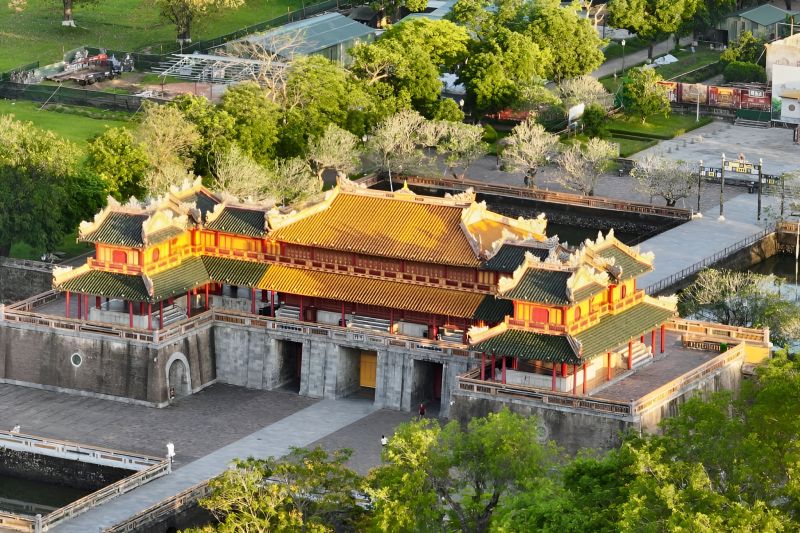
Hue Imperial Citadel and Royal Tombs
Three combo ticket options serve different itinerary lengths:
- Imperial Citadel standalone: 200,000 VND (~₹830) per adult
- Combo 3 sites (Citadel + 2 royal tombs): 420,000 VND (~₹1,740)
- Combo 4 sites (Citadel + Minh Mang + Tu Duc + Khai Dinh tombs): 530,000 VND (~₹2,200)
Combo tickets are valid for 2 days. Hiring a local guide (₹1,650–₹2,500) significantly enriches the experience. Most monuments open 6:30 AM–5:30 PM daily.
Combining Hue and Da Nang
Hue and Da Nang are connected by the scenic Hai Van Pass coastal mountain road and by direct road in 90 minutes. A practical 2-day itinerary covers Hue’s Imperial Citadel and Thien Mu Pagoda on Day 1, then drives through Hai Van Pass to Da Nang on Day 2 for Ba Na Hills or beach time.
10. Nha Trang
Nha Trang is Vietnam’s primary scuba diving destination and the most culturally familiar coastal city for Indian Hindu travelers — home to Po Nagar Cham Towers, a 1,200-year-old active Hindu temple complex with iconography mirroring South Indian Shaivite traditions. Nha Trang Bay contains 19 islands and 25 dive sites with visibility up to 15 m during the best season (April–August). Direct flights from Ho Chi Minh City take 1 hour. Po Nagar entry: 25,000 VND (~₹105). The mud bath experience at Thap Ba Hot Springs costs approximately ₹1,200 (335,000 VND) per person.
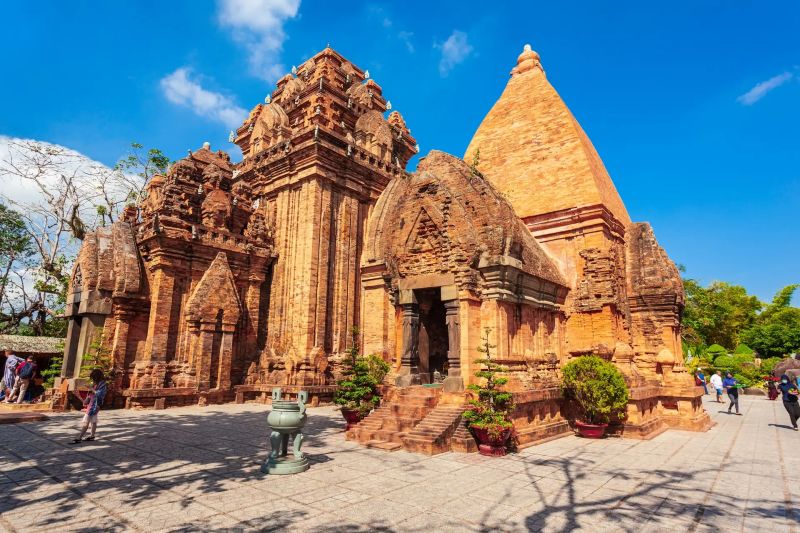
Po Nagar Cham Towers
Po Nagar towers were built between the 7th and 12th centuries and remain an active place of worship. Indian tourists often find deep cultural familiarity in the iconography and temple architecture that mirrors South Indian Shaivite traditions. Modest dress required; temple etiquette similar to Hindu temples in India applies.
Scuba Diving in Nha Trang
A single introductory dive for beginners (no certification required) costs approximately ₹5,800 (USD 70 / 1,624,000 VND). A PADI Open Water certification course (3 days) costs approximately ₹29,000–₹33,000 (USD 350–400). Best dive sites: Hon Mun Island and Hon Tam Island, both within 30 minutes by speedboat from the main pier.
These 10 destinations form Vietnam’s complete tourist circuit. The next sections answer the practical questions Indian travelers ask before booking — itinerary length, best season, tour costs, regional planning, and safety.
How to Plan a Vietnam Trip That Covers the Best Places for Indian Tourists
The most efficient routing for Indian tourists covers Vietnam’s highlights in a South-to-North or North-to-South sequence, using domestic flights between major cities to minimize overland travel time. A 7-day itinerary suits Hanoi + Halong Bay + Hoi An; a 10-day trip adds Da Nang and Ho Chi Minh City; 14 days allows the complete circuit including Sapa, Hue, and Nha Trang. Round-trip international airfare from India ranges from ₹18,000 (off-peak) to an average ₹30,000–₹45,000 (peak). Domestic one-way flights within Vietnam cost approximately ₹1,500–₹4,000 (420,000–1,120,000 VND) on VietJet, Bamboo Airways, or Vietnam Airlines.
Which Vietnam Destinations Are Best for Indian Families vs Honeymooners?
Vietnam’s destinations divide naturally by travel style — families concentrate on interactive, activity-rich destinations while honeymooners seek heritage towns and beach resorts.
Best Places in Vietnam for Indian Honeymoon Couples
Hoi An ranks #1 for Indian honeymoon travelers — lantern-lit evenings, private Mekong cruise options, Cham Islands snorkeling, and custom tailoring create a romance-specific itinerary unavailable elsewhere in Vietnam. Halong Bay overnight cruises with private cabin bookings and Phu Quoc’s 5-star beachfront resorts complete the standard Indian honeymoon circuit. Vietnam honeymoon packages covering all three destinations cost approximately ₹74,585 per person (land only) — explore Vietnam honeymoon packages for curated 2026 itineraries.
Best Places in Vietnam for Indian Families with Children
Da Nang (Ba Na Hills, My Khe Beach), Ho Chi Minh City (Cu Chi Tunnels, Ben Thanh Market), and Nha Trang (Vinpearl Land) form the standard Indian family circuit. Vietnam family holidays packages for these routes start from ₹18,595 per person — see Vietnam family holidays.
What Is the Best Time to Visit Vietnam for Indian Tourists?
The best time to visit Vietnam for Indian tourists is from October to April, when the south and central regions are dry and Halong Bay is calm. Sapa is best from September to November for golden rice terraces. Avoid June–August for central Vietnam (Hoi An, Da Nang, Hue) due to typhoon risk. For the complete month-by-month guide, see best time to visit Vietnam.
Vietnam Tour Packages from India for All the Top Destinations
Indian travelers can book Vietnam tour packages that cover Hanoi, Halong Bay, Hoi An, Da Nang, and Ho Chi Minh City in a single itinerary with Indian-friendly meals, English-speaking guides, and flexible departures from major Indian cities. Based on actual 2026 pricing from Vietnamtour.in: 7-day packages start from ₹24,869 per person (land only, budget) up to ₹74,585 for luxury; 10-day packages start from ₹51,056 per person (land only). Browse all Vietnam tours for the full range of options and Vietnam from India for departure-city-specific packages.
Vietnam Destinations by Region: North, Central, and South
Vietnam’s 10 must-visit destinations divide into 3 distinct geographical regions, each with a unique climate window and travel personality. Indian tourists can pick a single region for a 5-day short trip or combine all three for a 14-day full-country itinerary.
Northern Vietnam (Hanoi, Halong Bay, Sapa, Ninh Binh)
Northern Vietnam carries Vietnam’s deepest heritage layer — Hanoi’s 1,000-year-old capital, Halong Bay’s UNESCO limestone karst, Sapa’s terraced rice fields, and Ninh Binh’s land-bound Halong scenery. Best season: October–April (dry, cool); Sapa peaks in September–November for golden rice harvest.
Central Vietnam (Hue, Da Nang, Hoi An)
Central Vietnam concentrates 3 UNESCO sites within a 90-minute driving radius — Hue’s Imperial Citadel, Hoi An Ancient Town, and My Son Sanctuary (Cham Hindu ruins) — plus Da Nang’s Ba Na Hills and 30 km of beach. Best season: February–May (avoid July–November due to typhoon risk).
Southern Vietnam (Ho Chi Minh City, Nha Trang, Phu Quoc)
Southern Vietnam serves Indian tourists arriving via Ho Chi Minh City — the highest density of Indian restaurants in Vietnam, plus Nha Trang’s Hindu heritage (Po Nagar) and Phu Quoc’s beach resorts. Best season: November–April (dry, warm year-round).
Which Places in Vietnam Are Safe and Easy to Visit from India?
Vietnam is consistently rated among Southeast Asia’s safest destinations for Indian tourists. The 90-day e-visa (USD 25 / ₹2,200) is processed entirely online at evisa.gov.vn without embassy visits. Direct flights connect Delhi and Mumbai to Hanoi and Ho Chi Minh City. English is widely spoken in tourist zones across all 10 destinations covered in this guide. Indian women traveling solo or in groups report high levels of safety across Vietnam’s major cities and tourist areas.
The most efficient full-country 10-day itinerary for Indian tourists: Fly into Hanoi → Halong Bay (2N cruise) → fly to Da Nang → Hoi An (2N) → Hue day trip → fly to Ho Chi Minh City → Cu Chi Tunnels → fly home or add Phu Quoc (2N beach extension).
Conclusion
These 10 destinations — Hanoi, Halong Bay, Ho Chi Minh City, Hoi An, Sapa, Da Nang, Ninh Binh, Phu Quoc, Hue, and Nha Trang — cover Vietnam’s heritage, beaches, mountains, cuisine, and Hindu/Buddhist heritage within a single 10–14 day Indian-friendly itinerary. Planning a Vietnam trip from India in 2026 is more accessible than ever — the e-visa process is fully online, flight connectivity continues to expand, and travel costs remain competitive across Southeast Asia.
For travelers seeking a reliable and personalized Vietnam tour operator, Vietnamtour.in stands out as a leading local operator specializing in the Indian market, with over 46,000 tours operated and more than 428,000 Indian travelers served since 2015. Backed by 2,092 TripAdvisor reviews rated 5.0★ and recognition such as the TripAdvisor Travelers’ Choice and Best of the Best awards, Vietnamtour.in offers tailor-made itineraries with Indian meal options, private tours, and 24/7 support across Vietnam and India.