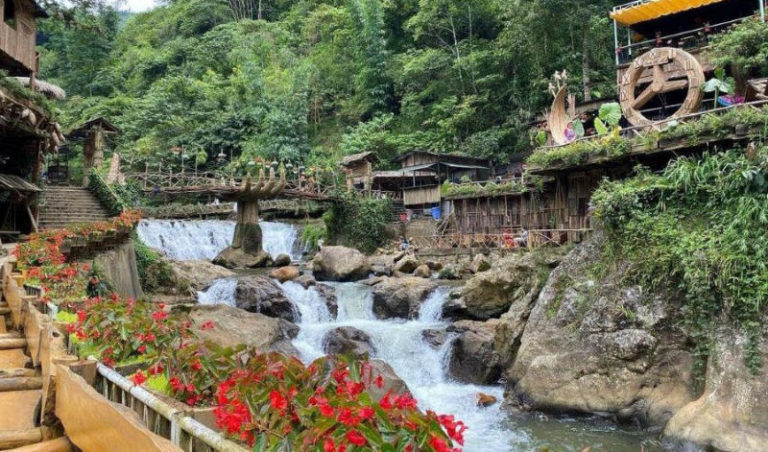

The best places to visit in Sapa are 11 sights within reach of the town: Fansipan, the 3,147.3 m “Roof of Indochina”, the terraced Muong Hoa Valley, Cat Cat Village 3 km from the centre, the 200 m Silver Waterfall and O Quy Ho Pass on the road west, the Hmong and Red Dao villages of Ta Van and Ta Phin, the Stone Church, Ham Rong Mountain and Rose Valley in town, and the Sunday market at Bac Ha, 100 km away. Sapa is a mountain town in Lao Cai province in northern Vietnam, at about 1,500–1,600 m in the Hoang Lien Son range, and since 1 July 2025 it has been Sa Pa ward of the enlarged province. Entry fees run from free to 850,000 VND (₹3,115) for the Fansipan cable car.
This guide from Vietnamtour.in covers the 11 Sapa tourist places in the order most visitors see them, from the summit and the valley to the villages and the town, with the location, the entrance fee in VND and rupees, and the time needed for each, plus a 2–3 day plan, the best season, and the questions Indian travellers ask most often.
The 11 places to visit in Sapa at a glance:
| # | Place | Distance from Sapa town | Entry (adult, 2026) | Time needed |
|---|---|---|---|---|
| 1 | Fansipan | About 9 km south-west; cable car station 3 km | 850,000 VND (₹3,115) cable car return | Half a day |
| 2 | Muong Hoa Valley | About 7–10 km south-east | Free; Lao Chai–Ta Van route 75,000 VND (₹275) | Half a day to a full day |
| 3 | Cat Cat Village | About 3 km south-west | 150,000 VND (₹550) | 2–3 hr |
| 4 | Silver Waterfall | About 12 km west | 20,000 VND (₹75) | 1 hr |
| 5 | O Quy Ho Pass | About 15 km west | Free; Rong May glass bridge extra | 1–2 hr |
| 6 | Ta Van Village | About 10 km south-east | 75,000 VND (₹275), shared with Lao Chai | Half a day or overnight |
| 7 | Ta Phin Village | About 12 km north-east | 40,000 VND (₹145) | 2–3 hr |
| 8 | Stone Church | Town centre | Free | 30 min |
| 9 | Ham Rong Mountain | Town centre | 70,000 VND (₹255) | 2 hr |
| 10 | Rose Valley | Muong Hoa Street, edge of town | About 70,000 VND (₹255) | 1 hr |
| 11 | Bac Ha Market | About 100 km east, Sundays | Free | Full day |
Fees are the published 2026 adult rates, converted at ₹1 ≈ 273 VND, and children under 1.2 m enter most sites free or at half price.
Fansipan
Fansipan is the highest mountain in Indochina at 3,147.3 m (10,326 ft), nicknamed the “Roof of Indochina”, and the main attraction in Sapa for Indian travellers because a cable car reaches the top in about 20 minutes. The summit marker still reads 3,143 m from the 1909 French survey, and on a clear morning the deck looks over a sea of clouds across the Hoang Lien Son range. Trekkers climb from Tram Ton Pass over 1 long day or 2 days with a guide, while most visitors ride up.

The ascent uses 2 stages. The Sun World Fansipan Legend cable car runs 6,292.5 m from the valley station to just below the summit in about 20 minutes, with 2 Guinness World Records for its length and its 1,410 m rise. From the upper station, the last climb to the marker is about 600 stone steps or a short ride on the summit funicular.

The practical details are:
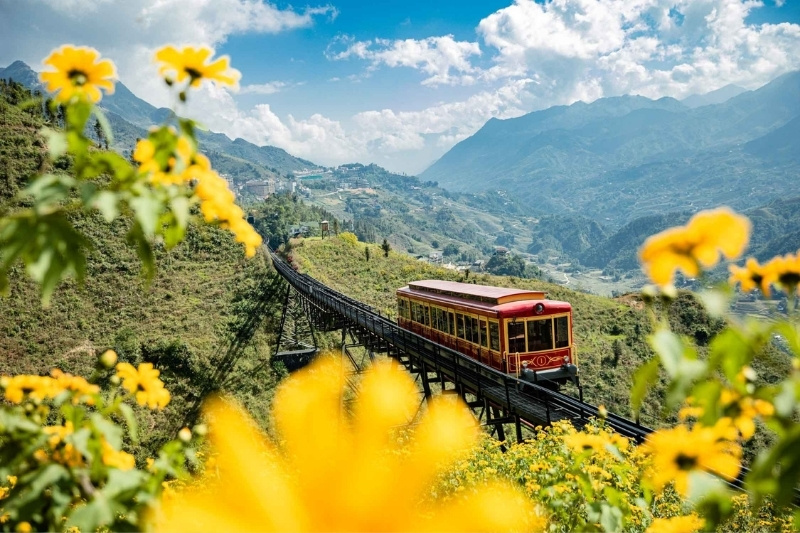
- Location: About 9 km south-west of Sapa town; the cable car station is 3 km from the centre by taxi or the Muong Hoa mountain train
- Cable car: 850,000 VND (₹3,115) adult return; 550,000 VND (₹2,015) for children 1 m to under 1.4 m; free under 1 m
- Summit funicular: 170,000 VND (₹625) up, 150,000 VND (₹550) down
- Cable car timings: Ascents from 8:00 AM on weekdays and 7:30 AM at weekends, last descent 4:00–5:00 PM
The summit is about 10°C colder than town, so a jacket matters even on a sunny day, and the first cabin of the morning gives the clearest view before cloud builds.
Muong Hoa Valley
Muong Hoa Valley is the rice-terrace valley about 7–10 km south-east of Sapa town, running 15 km along the Muong Hoa stream through the villages of Y Linh Ho, Lao Chai, Ta Van and Giang Ta Chai. The terraces flood with water in April and May, turn green in summer and gold in September, and rustic Hmong and Giay houses sit between the fields. The valley also holds the Sapa Ancient Rock Field, with 159 carved boulders.

The classic way to see the valley is the 4–6 hour trek from Y Linh Ho through Lao Chai to Ta Van, with a car pickup at the end, while families drive between villages and walk the flatter Lao Chai–Ta Van stretch. The practical details are:
- Location: Ta Van commune, south-east of Sapa town; 20–40 minutes by car to the villages
- Entrance fee: The valley and its roads are free; the Lao Chai–Ta Van village route costs 75,000 VND (₹275) per adult
- Time needed: Half a day on foot, or a full day with a homestay lunch
Mid-September is the golden peak, when the terraces around Lao Chai and Ta Van are at their brightest and the trails are at their busiest.
Cat Cat Village
Cat Cat Village is a Hmong village about 3 km south-west of Sapa town, the easiest village to reach on foot, with a paved walking trail past wooden houses, a waterfall and craft stalls. The trail drops down the hillside from the ticket gate, crosses a stream at the waterfall and climbs back up, with traditional dance shows at the bottom and costume rental for photos along the way. It is the most visited village in Sapa and the best fit for a short first afternoon.

The practical details are:
- Location: About 3 km south-west of Sapa town, 30 minutes on foot or 10 minutes by taxi
- Entrance fee: 150,000 VND (₹550) adult; 70,000 VND (₹255) child
- Time needed: 2–3 hours
The walk back to town is uphill, so most visitors walk down and take a taxi from the lower gate.
Silver Waterfall
Silver Waterfall (Thac Bac) is a 200 m (656 ft) waterfall about 12 km west of Sapa town on the road to O Quy Ho Pass, fed by streams off the Hoang Lien Son range. A short set of steps and a bridge lead to viewpoints facing the white water, and the spray keeps the site cool even in summer. The falls are fullest from May to September and can thin to a trickle in the dry winter months.

The practical details are:
- Location: O Quy Ho ward, about 12 km west of Sapa town, 25 minutes by car
- Entrance fee: 20,000 VND (₹75) adult; 10,000 VND (₹35) child
- Time needed: About 1 hour
The falls pair with O Quy Ho Pass and the Rong May glass bridge in a half-day drive west of town, and the viewpoints, the steps and the nearby Love Waterfall are covered in the guide to Silver Waterfall Sapa.
O Quy Ho Pass
O Quy Ho Pass is the longest mountain pass in Vietnam, about 50 km of road over the Hoang Lien Son range between Lao Cai and Lai Chau, with its summit at 2,035 m (6,677 ft) about 15 km west of Sapa town. The pass is 1 of the 4 great passes of the north and is nicknamed the “King of Passes”, with deep valleys on 1 side and cliffs on the other. The summit stays in cloud for much of the year, which gives it the local name Heaven’s Gate.

The practical details are:
- Location: National Highway 4D, about 15 km west of Sapa town; the summit viewpoint is 30–40 minutes by car
- Entrance fee: Free for the pass and its roadside viewpoints
- Time needed: 1–2 hours, more with the glass bridge
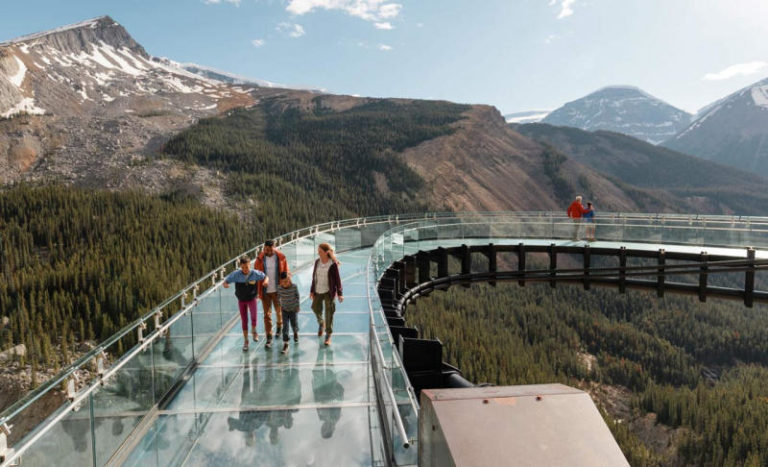
Fog makes the pass safer by car than by scooter, and the glass skywalk and cliff-side elevator near the summit, with their own ticket, are covered in the guide to the Sapa glass bridge.
Ta Van Village
Ta Van Village is a terraced-field village about 10 km south-east of Sapa town in the Muong Hoa Valley, home to Giay, Hmong and Red Dao families and the main homestay village in Sapa. A narrow road winds through the terraces into the settlement, where visitors eat with host families, try a Red Dao herbal bath and stay overnight among the fields. The village is the usual end point of the Lao Chai–Ta Van trek.

The practical details are:
- Location: Ta Van commune, about 10 km south-east of Sapa town, 30 minutes by car
- Entrance fee: 75,000 VND (₹275) adult on the Lao Chai–Ta Van route; 50,000 VND (₹185) child
- Time needed: Half a day, or 1 night in a homestay
A night here means sunrise over the terraces before the day visitors arrive, and the family homestays and lodges in the village are compared in the guide to the best Sapa homestays. The terraces around the village belong to the wider Muong Hoa Valley, whose treks and the Ancient Rock Field have their own guide.
Ta Phin Village
Ta Phin Village is a Red Dao and Black Hmong village about 12 km north-east of Sapa town, known for handmade embroidery, brocade and the Red Dao herbal bath. Mountains and rice terraces surround the settlement, women embroider on their doorsteps, and the village is a base for day treks and homestays away from the busier Muong Hoa Valley.

The practical details are:
- Location: Ta Phin commune, about 12 km north-east of Sapa town, 30 minutes by car
- Entrance fee: 40,000 VND (₹145) adult; 20,000 VND (₹75) child
- Time needed: 2–3 hours
Embroidered bags, indigo scarves and herbal bath leaves from Ta Phin are the most useful gifts to carry home, and fair prices for each are listed in the guide to what to buy in Sapa. Cat Cat, Ta Van, Ta Phin and the smaller villages are compared 1 by 1 in the guide to the top 8 villages in Sapa.
Stone Church
Stone Church is a French-built Roman Gothic church from 1895 at the centre of Sapa town, the town’s best-known landmark and the meeting point for walks, markets and the Saturday love market. The cross-shaped building of about 500 m² has a 20 m (66 ft) bell tower, and its square fills with Hmong and Dao vendors by day and food stalls by night. At Christmas, parishioners fill the church for mass and carols.

The practical details are:
- Location: Centre of Sapa town, by the main square and the night market
- Entrance fee: Free
- Time needed: 30 minutes, longer on market evenings
The square is also the best place to try grilled skewers, bamboo-tube rice and the other must try Sapa foods from the night-market stalls on Friday to Sunday evenings.
Ham Rong Mountain
Ham Rong Mountain is the viewpoint hill rising from the centre of Sapa town to about 1,800 m (5,906 ft), with flower gardens, rock gardens and the Cloud Yard terrace looking over the town and the Muong Hoa Valley. The rock formations resemble 3 dragons, which gives the mountain its name and its legends. The paths climb through orchid gardens and stone passages to the top in about 1 hour.

The practical details are:
- Location: Centre of Sapa town, entrance behind the Stone Church
- Entrance fee: 70,000 VND (₹255) adult; 30,000 VND (₹110) child over 1.2 m; free under 1.2 m
- Time needed: About 2 hours
Clear mornings give the best view of the town and the valley from the Cloud Yard before the afternoon mist rolls in.
Rose Valley
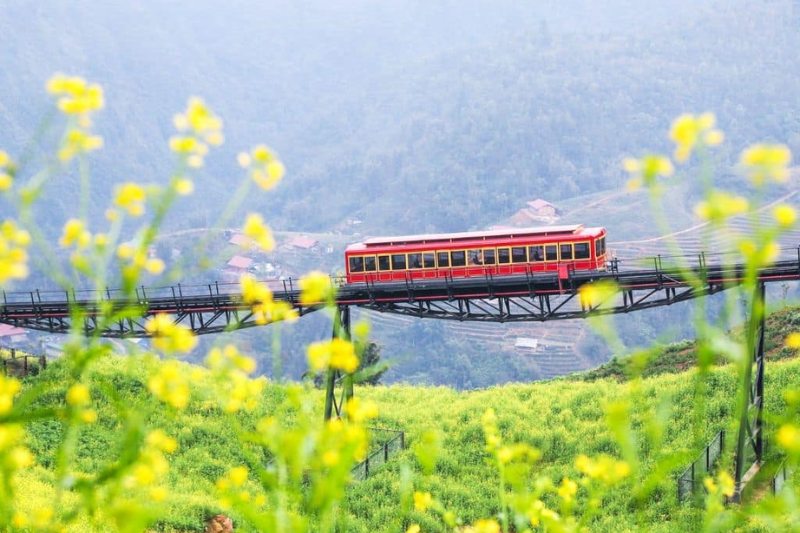
Rose Valley is a 50,000 m² rose garden on Muong Hoa Street at the edge of Sapa town, with more than 300,000 rose plants of about 150 varieties along the Muong Hoa mountain train line. The roses bloom most fully from March to May, when flowering carpets cover the slopes beside the rail line that links the town with the Fansipan cable car station.

The practical details are:
- Location: Muong Hoa Street, Sapa town, next to the Muong Hoa train route
- Entrance fee: About 70,000 VND (₹255) per person
- Time needed: About 1 hour
Rose Valley sits near the photo park of Moana Sapa, 1–1.5 km from the Stone Church, so the 2 flower-and-photo stops fit into the same morning before the cable car.
Bac Ha Market
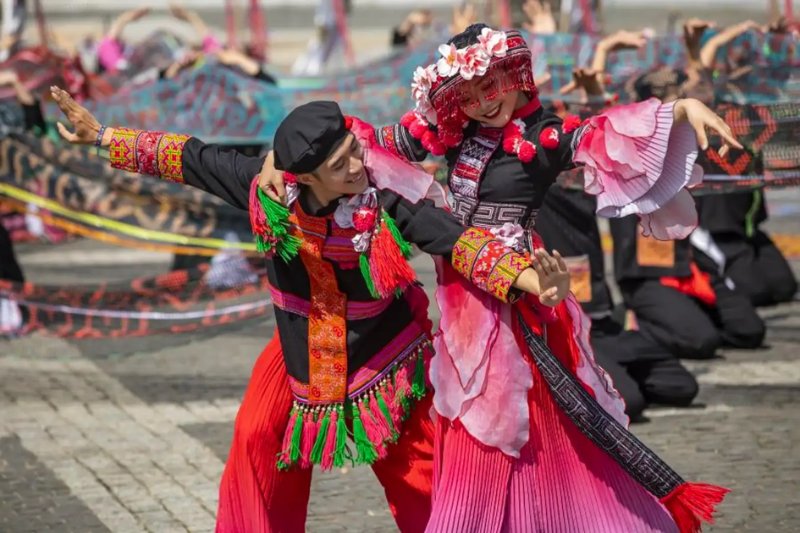
Bac Ha Market is the largest weekly ethnic market in the north-west, held every Sunday morning in Bac Ha town about 100 km east of Sapa, where Flower Hmong, Dao and Tay traders sell brocade, livestock and corn wine. The distance puts it outside a standard Sapa day, so visitors plan it as a Sunday outing of 2.5–3 hours each way by car. The colour of the Flower Hmong dress and the sound of flutes across the stalls make it the most photographed market in the region.

The practical details are:
- Location: Bac Ha town, Lao Cai province, about 100 km east of Sapa; busiest from 7:00 AM to noon on Sundays
- Entrance fee: Free
- Time needed: A full day with the drive
Brocade, Shan Tuyet tea and corn wine are the usual buys, and the wider list of what to buy from Vietnam covers what packs well for the flight home.
How to Plan 2 or 3 Days Around the Places to Visit in Sapa
2 days cover the places to visit in Sapa by pairing Fansipan with the town on day 1 and the Muong Hoa Valley with Cat Cat on day 2, while a third day adds the Silver Waterfall, O Quy Ho Pass and Ta Phin, or Bac Ha Market on a Sunday. The Sapa places to visit group by direction, so most Sapa sightseeing needs only 1 car day and 1 walking day:
| Day | Morning | Afternoon | Evening |
|---|---|---|---|
| Day 1 (town and summit) | Fansipan cable car, first cabin | Rose Valley or Moana Sapa, Ham Rong Mountain | Stone Church square and night market |
| Day 2 (valley) | Lao Chai – Ta Van walk | Cat Cat Village | Red Dao herbal bath |
| Day 3 (west or east) | Silver Waterfall, O Quy Ho Pass and glass bridge | Ta Phin Village | Or a full Sunday at Bac Ha Market instead |
Most visitors stay in the town centre, within walking distance of the church and the train to the cable car, and the resorts with valley views on the edge of town are compared in the guide to Sapa hotels and resorts. Every trip from Hanoi arrives by a 5–6 hour road transfer or the night train to Lao Cai, and the return options, including the limousine van and the train, are compared in the guide on Sapa to Hanoi. The wider travel guide to Vietnam Sapa covers where the town sits, what it costs and how many days to plan.
Best Time to Visit Sapa
September to November and March to May are the best months for the places to visit in Sapa, with the golden terraces in September, clear skies for Fansipan in October and November, and roses and flooded terraces in spring. June to August is wet and the trails turn muddy, while December to February is cold, with frost or snow on Fansipan some years. The month-by-month rainfall and the harvest dates are set out in the guide to the best time visit Sapa.
October is the clearest month for the summit, and the Vietnam temperature in October guide shows how Sapa cools while the central coast gets its heaviest rain. Diwali travellers in November find dry, cool days in the north, and the weather in Sapa Vietnam in November is covered in the national guide for that month, which helps match the dates to the clearer weeks.
FAQs About Places to Visit in Sapa
Indian travellers planning Sapa most often ask what the town is famous for, which attraction matters most, whether 2 days are enough, and whether Sapa is worth the journey from Hanoi.
What is Sapa famous for?
Sapa is famous for Fansipan, the highest peak in Indochina, the rice terraces of the Muong Hoa Valley, and the Hmong and Red Dao villages around the town. The French-built Stone Church and the cool mountain climate, about 10°C below Hanoi, complete the picture.
What is the main attraction in Sapa?
Fansipan is the main attraction in Sapa, reached by cable car in about 20 minutes, followed by the Muong Hoa Valley terraces and Cat Cat Village. The 3 fit into 2 days, with the summit in the morning when the sky is clearest.
Is a 2-day trip to Sapa enough?
Yes, 2 days in Sapa are enough for Fansipan, Cat Cat, the Muong Hoa Valley and the town, while a third day adds the waterfall, the pass or Bac Ha Market. Most Indian itineraries give Sapa 2 nights inside a Vietnam tour package for 7 days with Hanoi and Ha Long Bay, or 3 nights where the Vietnam 10 day trip cost allows a slower pace.
Is Sapa worth visiting?
Yes, Sapa is worth visiting for the summit, the terraces and the village culture, which no other stop in Vietnam combines in 1 place. The town is a 5–6 hour drive from Hanoi, so 2 nights make the journey worthwhile, and Sapa ranks among the top 10 places to visit in Vietnam for first-time travellers.
Plan Your Sapa Trip with Vietnamtour.in
The 11 places to visit in Sapa fit into 2 or 3 days when the summit and the town take 1 day, the valley takes another, and the road west or Bac Ha fills the third. The parts that catch most Indian travellers out are the cold at the summit, the 5–6 hour transfer from Hanoi, and finding vegetarian or Jain food in the villages. Vietnamtour.in has planned Vietnam trips for more than 428,000 Indian travellers since 2015, and every Sapa tour package comes with a private car from Hanoi, cable car tickets booked for the first cabin, and Indian or Jain meals arranged in advance. Longer routes with Hanoi and Ha Long Bay are listed with the Vietnam tour package price from India for each itinerary.
To build a Sapa itinerary on your own dates, share the travel dates, group size and departure city in the form below. A Vietnamtour.in expert will match the trip to the terrace season, book Fansipan for a clear morning, and arrange vegetarian or Jain meals near each of the places to visit in Sapa.
RELATED ARTICLES