Recognized by UNESCO as a World Biosphere Reserve, Cambodia’s Tonle Sap Lake promises moments of “energy restoration” as you immerse yourself in pristine nature, far from the hustle and bustle of city life.
To answer the question, “What does Tonle Sap Lake in Cambodia have to offer?”, let’s explore everything about this destination, considered the “heart” of Cambodia, with Vietnamtour.in!
Where is Tonle Sap Lake
Tonle Sap Lake, found in Cambodia’s Siem Reap province in the northwestern portion of the Lower Mekong Delta, is around 15 to 20 km from Siem Reap (the distance depends on the port from which you measure). As a result, Tonle Sap Lake has been referred to as the “heart” of Cambodia, and it attracts both tourists and eco-tourists alike, particularly during the rainy season when it is filled with water. Visitors come from all over the world to explore and see this ecotourism destination.
Why Is Tonle Sap Lake So Famous?
Tonle Sap Lake is the largest freshwater lake in Southeast Asia, and you can explore it when traveling to Siem Reap, Cambodia. It’s second only to Angkor Wat in popularity and visitor numbers.
The Largest Freshwater Lake in Southeast Asia
Tonlé Sap is thousands of years old. This freshwater lake was formed around 5500 BC due to the collision of the Indian subcontinent with Asia. One of the most unique aspects of Tonle Sap Lake is that it has the largest average surface area in Southeast Asia, but its size can vary seasonally.
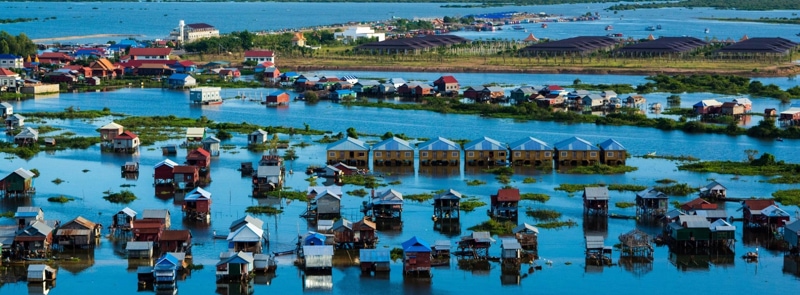
Specifically, during the dry season (November to May), the lake is quite narrow and shallow, with a depth of only about 1 meter and an area of approximately 10,000 km². Conversely, around June (the rainy season), the Tonle Sap River does not drain from the lake into the Mekong River but flows upstream into the lake in significant quantities, causing the water level to rise and increasing the lake’s area to 16,000 km².
At that time, the lake’s depth was 9 meters, flooding the surrounding rice fields and forests. The flooded area during that period became an ideal breeding ground for many freshwater fish species. By October, the water recedes along the Tonle Sap River into the Mekong River, returning the lake to its dry season size.
UNESCO Biosphere Reserve
With its enormous size, Tonlé Sap is one of the world’s largest freshwater lakes in terms of fish production. According to biological statistics, there are currently over 160 species of fish, 40 species of birds, and many other rare animals living here. The lake has been recognized by UNESCO as a World Biosphere Reserve.
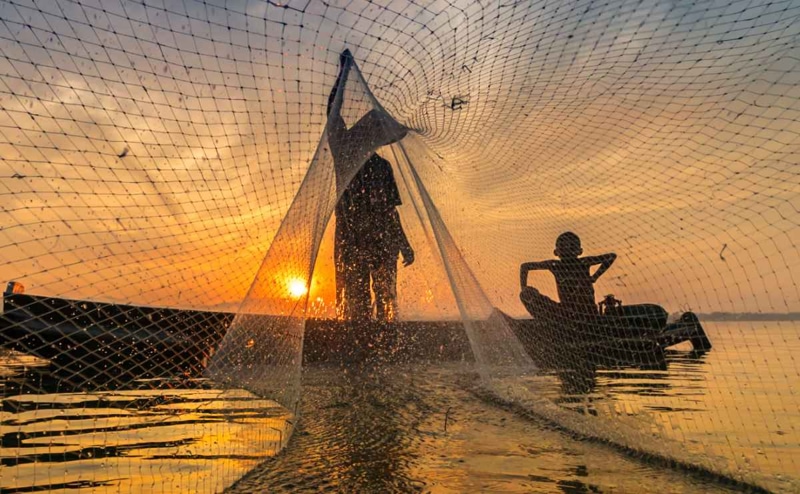
Beyond its crucial role in the ecosystem, Tonlé Sap is an indispensable part of the economic, cultural, and social life of the Cambodian people. It provides freshwater for daily life, irrigation, and fishing for the local population. The alluvial deposits downstream contribute to Tonlé Sap’s significant fish production, making it one of the world’s largest fish-producing lakes. Fisheries on the lake play a vital role, supporting 3 million people and providing 75% of Cambodia’s freshwater fish production and 60% of its protein needs.
Unique Floating Villages
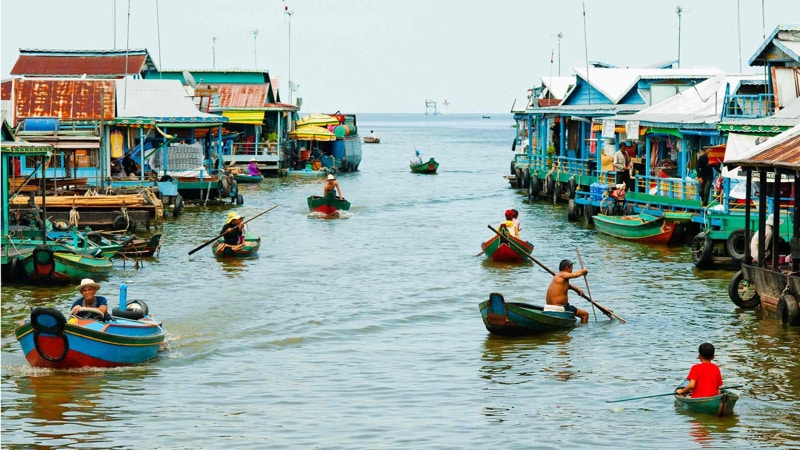
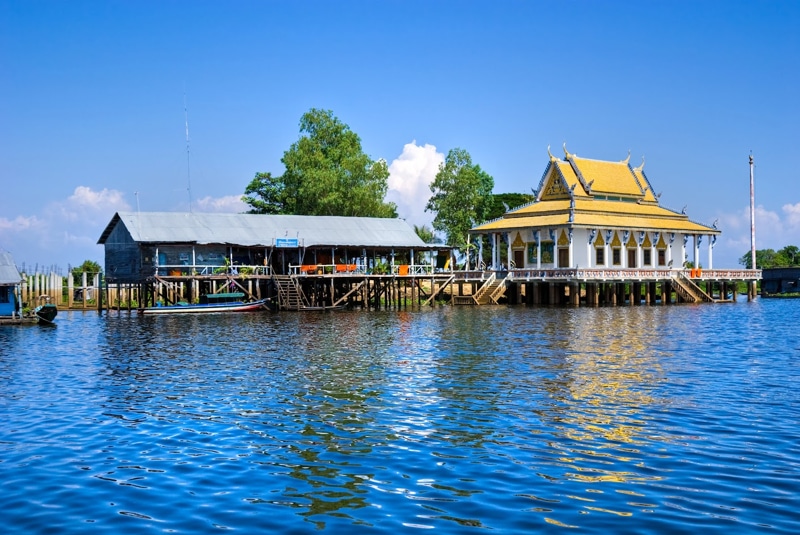
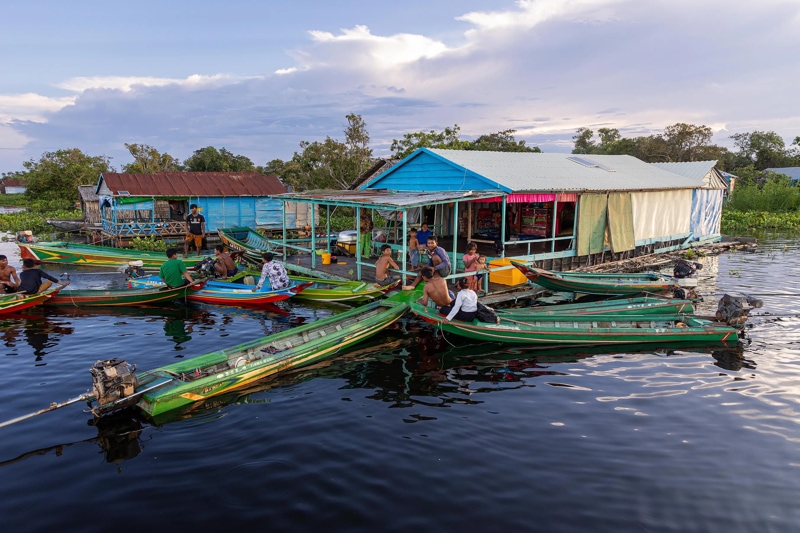
Tonle Sap Lake’s floating villages are one of the most well-known features of this beautiful body of water. Large populations live in Tonle Sap in homes that are built on floating platforms and towering stilts. These structures are designed to accommodate the variable levels of the water.
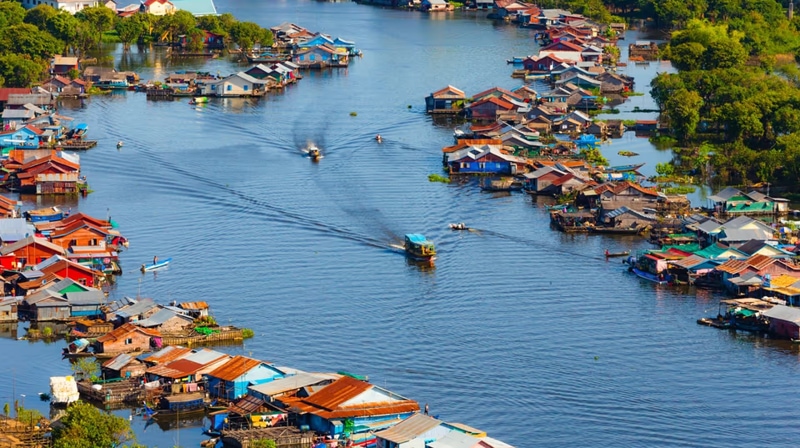
There are floating schools, floating markets, floating pagodas, and even small shops floating along with the flow of the water. These villages comprise a community split between both Khmer and Vietnamese families who have continued to call the Lake home, relying on fishing as a primary source of income.
The rhythm of the lake dictates what happens each day; children travel by boat to school, fishermen depart early in the morning to catch fish, and commercial transactions are completed on the lake instead of on land.
For many visitors, this rare opportunity to see a flourishing way of life can only be found in Tonle Sap.
Unmissable Experiences when Visiting Tonle Sap Lake
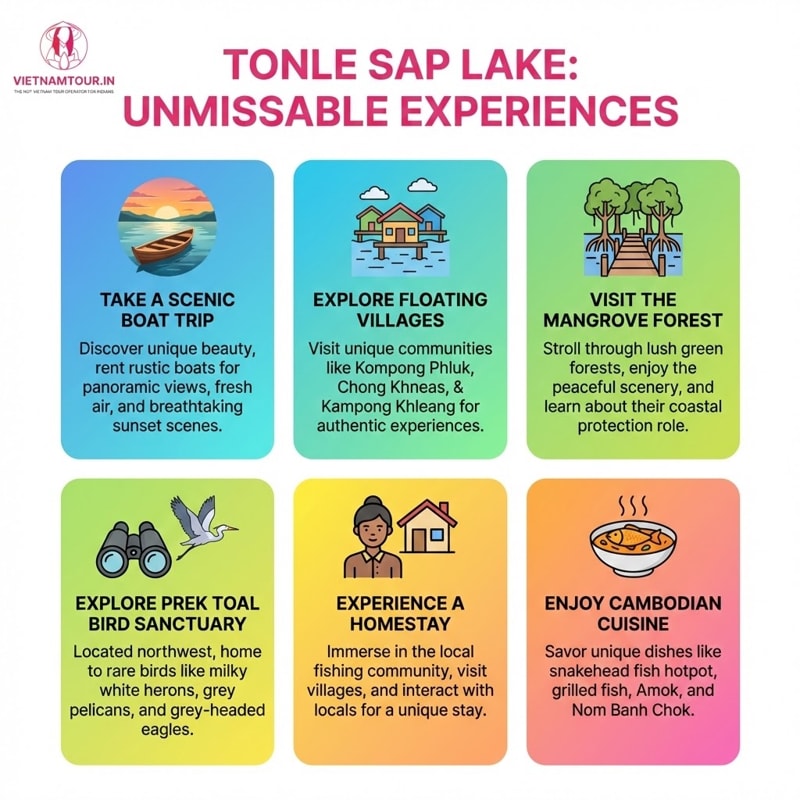
When you come to visit Tonle Sap Lake, you will not only get to enjoy the beautiful scenery on a boat ride but also experience exploring the floating villages and seeing the diversity of nature. There are many things to do at Tonle Sap Lake, and these are a few of them.
Take A Boat Trip to Enjoy the Beautiful Scenery
When visiting Tonle Sap Lake in Cambodia, you certainly can’t miss the experience of taking a boat trip around the lake to discover its unique beauty.
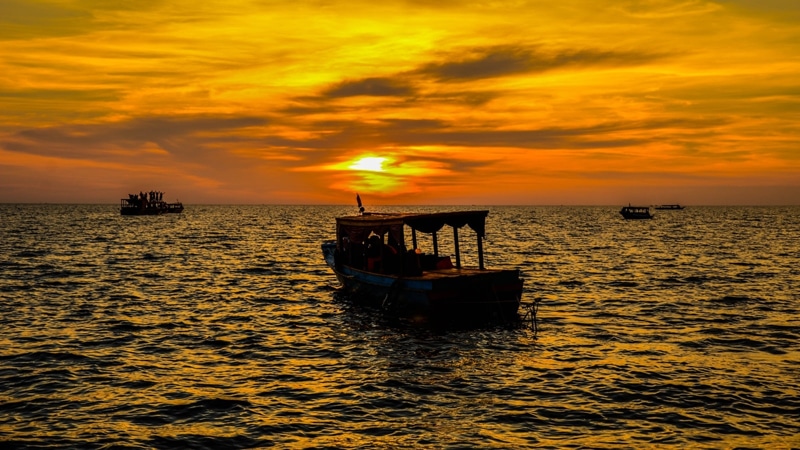
Most locals in Tonle Sap own boats or canoes. You can rent them and take a tour around the lake. Sitting on these rustic boats, gliding swiftly across the water, you’ll enjoy the fresh air, feel the cool breeze, and take in the magnificent panoramic view of the lake and sky. If you have the chance, try watching Tonle Sap Lake at sunset, when twilight creates a shimmering and unforgettable romantic scene.
The locals’ boats will also take you through colorful stretches of water. The silt-laden waters of Tonle Sap Lake are adorned with the floating houses of many fishermen.
There is no fixed estimated cost for renting a boat because it is normally included in the tour fee
Explore Floating Villages on Tonle Sap Lake
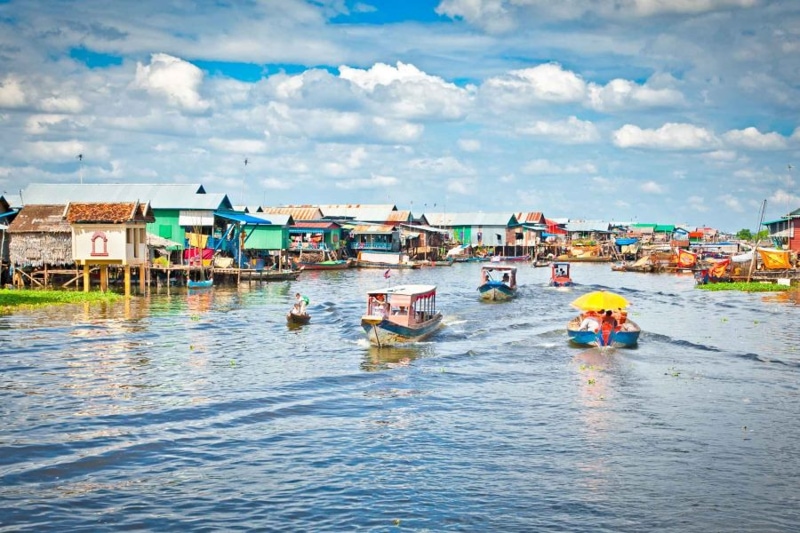
Speaking of floating houses on Tonle Sap Lake, visiting these unique houses is something tourists shouldn’t miss when traveling to Tonle Sap Lake in Cambodia. Here, there are many floating villages such as Kompong Phluk, Chong Khneas, Kampong Khleang, etc., which will give you interesting experiences.
-
Kampong Phluk: This is the biggest floating community situated on Tonle Sap Lake. The community contains around 3000 homes constructed on wooden stilts.
-
Chong Khneas: This village is located around 16 kilometers from Siem Reap, which is a popular spot for tourists. You can experience the floating village and go on a boat ride through the mangroves, as well as watch the sunset on Tonle Sap Lake from this location.
-
Kompong Chhlang: This village is located on the southern shore of Tong Le Sap Lake and has one of the only floating markets in Cambodia. The floating market at Kompong Chhlang is a very busy market where you can buy all types of vegetables, fruits, fish, and artisan goods.
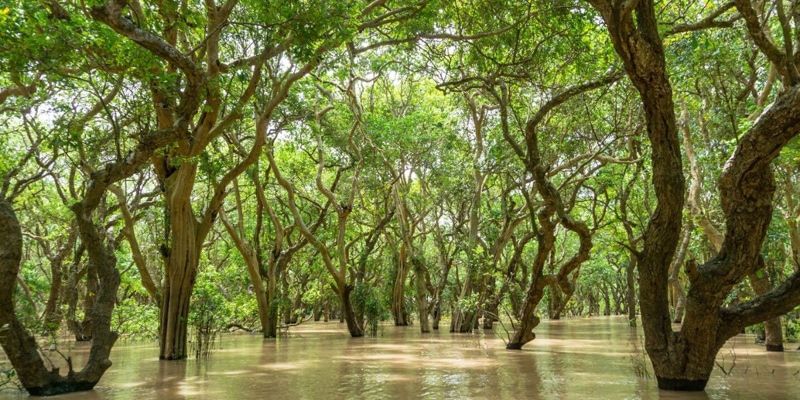
Visit the Mangrove Forest
Mangroves are one of the most important tree species in coastal protection forests, growing in saltwater areas and helping to reduce the damage caused by sea storms to the mainland. The lush green forest surrounding the fishing villages is a must-see destination when visiting Tonle Sap Lake. Strolling through the mangrove forest, enjoying the fresh air and feeling the peacefulness of the scenery, is sure to be an unforgettable experience.
Explore the Prek Toal Bird Sanctuary
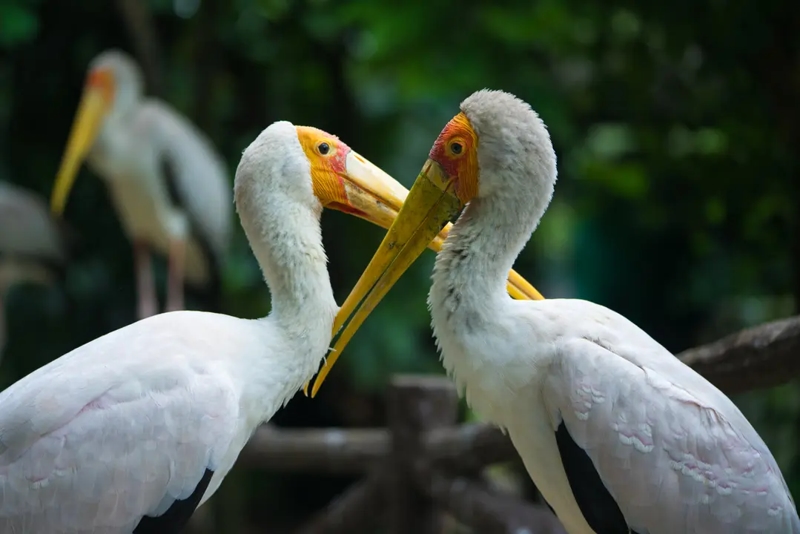
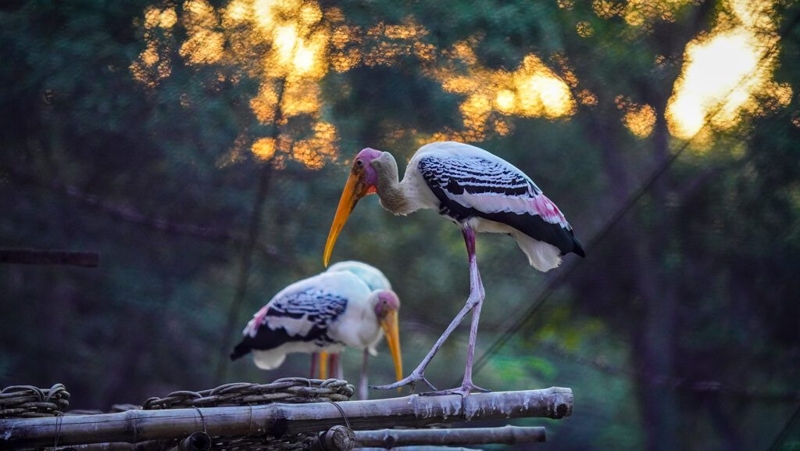
An interesting tourist attraction in Siem Reap, the Prek Toal Bird Sanctuary, is located northwest of Tonle Sap Lake. It is home to many rare and endangered bird species, such as the milky white heron, grey pelican, grey-headed eagle, etc. Not only will you discover the world of birds, but you will also get to admire the vast natural landscape when you climb to the highest observation tower.
Experience Cambodia’s Tonle Sap Lake with a Homestay
After exploring all the sights on Cambodia’s Tonle Sap Lake, tourists can relax in the homes of local people with a homestay service. This is a great opportunity to experience living in floating houses on the river, immerse yourself in the life of the local fishing community, visit villages, schools, and temples, and meet and interact with the locals.
Enjoy the Delights of Cambodian Cuisine at the Lake
Tonlé Sap Lake is not only famous for its pristine natural beauty but also attracts tourists with its unique and rich Cambodian cuisine. The local cuisine is a harmonious blend of traditional Khmer flavors and the distinctive characteristics of the riverine region, offering visitors unforgettable experiences.

Some specialty dishes that tourists should try when visiting Tonlé Sap Lake include snakehead fish hotpot, grilled fish, amok (a dish made from fish, eggs, coconut, and spices), and Nom banh chok (a dish made from fresh rice noodles, fish broth, roasted pork, quail eggs, and fresh vegetables).
Best Time to Visit Tonle Sap Lake
If you are wondering about when to go to Tonle Sap Lake, you can experience two very different experiences depending on the type of season that you visit it in. The water level will greatly determine when the best time is to go.
-
Dry Season from April to November
November to April is the dry season, and the water levels will be at their lowest, resulting in the lake shrinking and access to the floating villages being much easier. The boat tours will also have much more regularity. Due to its popularity with tourists during peak travel season, the weather will generally be more pleasant, and the skies will generally be clearer; however, due to less water, finding areas that appear more spectacular because of their water levels will not be as readily available.
-
Rainy Season from May to October
Experiencing Tonle Sap during the rainy season means that many parts of the lake will have changed dramatically. The arrival of monsoons in Cambodia causes the Mekong River to flow backward, resulting in the lake’s size increasing by as much as five times its normal size. With the flooded forests accessible via smaller boats, the area around Kampong Phluk (one of the most popular sites) becomes an exciting new type of experience.
-
So, What Are The Four Ideal Months For Traveling?
If you want to explore lush vegetation and flooded forests, August to October is a great time to visit. However, if you prefer the convenience of less travel and less rain, December to February will provide ideal travel conditions.
How to Travel to Tonle Sap Lake
Tonle Sap Lake is about 15–25 kilometres away from Siem Reap, depending on which floating village you visit. It takes about 30 to 60 minutes to reach the lake.
-
Tuk-tuk
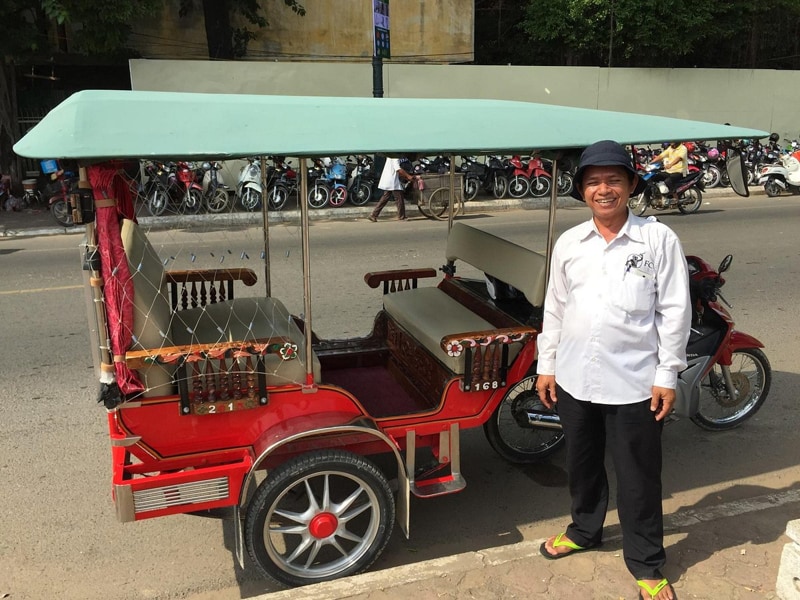
Tuk-tuks are one of the most popular and inexpensive forms of transport to reach the lake. A round-trip fare is usually between $15 and $25, depending on distance and waiting time. This is a good option for visiting Chong Khneas or Kampong Phluk; however, please be aware that the tuk-tuk will only taxi you to the pier, so you will also have to purchase your own boat ticket!
-
Private Taxi
If you want to travel more comfortably, especially when travelling on days when rain may occur, a private taxi serves as a great choice to travel to and from your accommodation for between $30-$50 for a round trip. This option is also ideal when travelling with a small group or when your final destination is in Kampong Khleang (a considerable distance from the city).
-
Half-Day Tours
Most travelers choose to go on half-day tours, including the cost of transportation and a boat ride. The total costs are generally between $20 – $35 per person, depending on which village you are traveling to and whether a guided tour is included, making this the best option to easily and comfortably reach your destination without having any concerns.
Things You Should Know Before Visiting Tonle Sap Lake
Tonle Sap Lake has real communities on it, and it is necessary to approach it with respect and awareness. A responsible attitude will be really helpful in protecting people and nature alike:
-
Be sure to show consideration for local lives by respecting their privacy. The floating villages are NOT tourist attractions; they are homes for real families. Be courteous, dress appropriately, and do not gawk or point at anyone. Additionally, take pictures of people ONLY IF you have received their express consent.
-
Look for a reputable tour supplier who provides clear price information, as well as what is included in the price of your tour. A responsible tour helps ensure positive financial benefits for local communities where money is spent.
-
Do not give children cash or candy; this creates an ongoing problem for the future. Instead, try to find small, locally owned businesses that provide an economic incentive to support those businesses or participate in community initiatives.
-
Show your respect for the environment by not disposing of waste in the water or using disposable plastic. The Tonle Sap is an environmentally sensitive area that provides food and livelihood for millions of people.
-
Always wear a life preserver when on the water and follow your tour guide’s instructions throughout your boat trip, particularly when there are elevated water levels following rainstorms.
FAQs about Tonle Sap Lake
-
How long will you be at Tonle Sap Lake?
Most tourists will spend two to four hours on their boat trip. Depending upon the time of year, you may take a half-day tour and see one floating village and the flooded forest from the previous rainy season, or take a full-day tour to visit the Prek Toal Bird Sanctuary.
-
Which floating village is best to visit?
Of the three floating villages, Kampong Phluk is often recommended for its stilt buildings and flooded forests. Chong Khneas is the closest floating village to Siem Reap, which makes it more popular among tourists than either of the other two villages, but it is also very well-developed. Compared with Chong Khneas and Kampong Phluk, Kampong Khleang has fewer visitors and feels more authentic, but it is farther away.
-
Are you able to visit Tonle Sap Lake on your own?
You are able to hire either a tuk-tuk or a taxi to take you to the pier where you can purchase a boat ticket; however, you may wish to join a guided tour for ease and to gain a better understanding of your destination.
-
Is it safe to visit Tonle Sap Lake?
Yes, in general, visiting the lake via boat is very safe. Boat tours are typically organized well; just be sure to wear your life jacket, follow the locals’ directions, and select an operator that is reliable in order to have a pleasant experience.
Conclusion
Tonle Sap Lake gives one a peek into Cambodia away from the famous temples. Its floating villages, dramatic seasonal changes, and interesting ecosystem make it a worthwhile half-day excursion from Siem Reap. If you want to see both the historical side of Cambodia and get a feel for everyday life, Tonle Sap is definitely not to be missed!