Cambodian food shares many similarities with other Asian cuisines, yet it also possesses many distinct and unique characteristics. The country’s signature dishes are a perfect blend of Khmer culinary culture, salty, sweet, spicy, and sour, along with unique ingredients from the Mekong River region.
Overview of Cambodian Food
Tourists often overlook Cambodian food, but in reality, the country’s culinary landscape is incredibly rich, thanks to its diverse forests, seas, mountains, and rivers. While sharing many similarities with neighboring countries like Vietnam and Thailand, and incorporating subtle French influences, Cambodian cuisine still possesses its own unique characteristics.
Because of its abundant waterways, including the Mekong, Sap, and Bassac rivers, as well as the vast Tonlé Sap lake, fish, squid, and shrimp are particularly prominent in Cambodian soups, curries, salads, and stir-fries. Furthermore, an interesting point to note is that rice is the staple food of Cambodia. In fact, the Khmer word for “eat” is “nam bai,” meaning “to eat rice.”
To enhance the flavor of their dishes, the locals use readily available spices to create the most delicious tastes. Some of the spices commonly used by Cambodians include:
-
The Xang fruit can be classified as “acidic” or “slightly sour”. It can be used as a natural acidifier similar to tamarind, wild plum, or lime.
-
Neem leaves (commonly referred to as Sdao) have a distinctive flavour and are usually eaten raw (in salads) because they have a very strong bitterness and a slight pungent flavour.
-
Kaffir lime (also referred to as wild lime) is a native citrus fruit growing in wooded areas that has a very strong aromatic scent, as well as a very refreshing tart flavour. It is commonly found in Cambodian cooking.
The dishes here retain their traditional flavours while blending in a touch of modernity, harmonising with contemporary tastes. If you’ve ever tasted them, you’ll surely be impressed by the unique flavours of this land. Tasting
11 Must-try Cambodian Dishes Indian Travel Should Not Miss
This list of Cambodian food can captivate diners with so much uniqueness and deliciousness. Therefore, if you have not tried it before, you may not know which dish to eat first or what to buy as a gift. The top 11 Cambodian specialties below are the suggestions to help you fully explore the cuisine of the land of temples.
Fish Amok
-
Origin: Central Cambodia, Tonlé Sap Lake region
-
Best to eat at: Siem Reap, Phnom Penh riverside
-
Price: 5 – 10 USD/dish
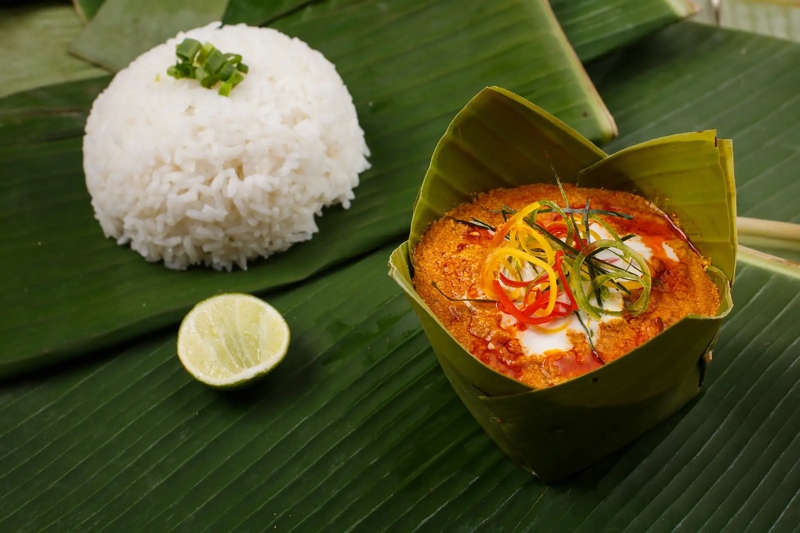
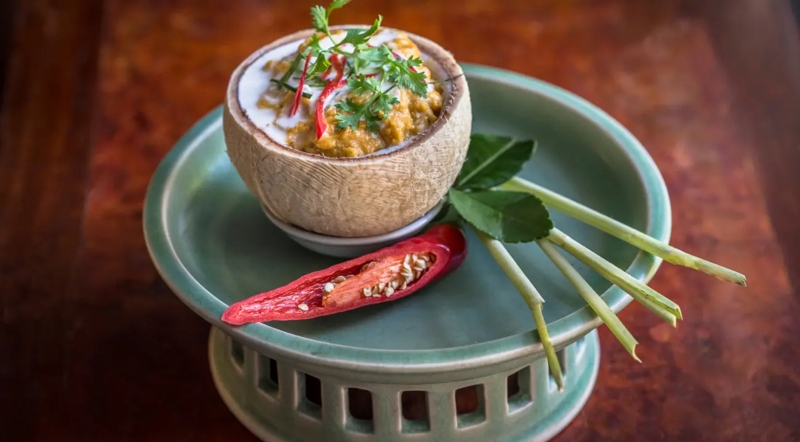
This is perhaps the most popular Cambodian dish. It’s made with snakehead or catfish fillets, a curry sauce with ginger, lemongrass, turmeric, and coconut milk, simmered until thickened, garnished with slok ngor leaves – a local herb – and then wrapped in banana leaves and steamed. It’s not too spicy, and some places even add extra coconut milk on top.
Banana Blossom Salad
- Origin: Rural countryside areas
- Best to eat in: Local markets, Siem Reap restaurants
- Price: 3 – 6 USD
You can find this salad at almost any restaurant in Cambodia. Banana blossoms are stir-fried with garlic, shallots, and lemongrass; depending on the region, people may add shrimp or chicken, then it’s mixed with citrus juice.
Bai Sach Chrouk
- Origin: Phnom Penh street food culture
- Best to eat in: Morning markets, street stalls in Phnom Penh
- Price: 2 – 4 USD
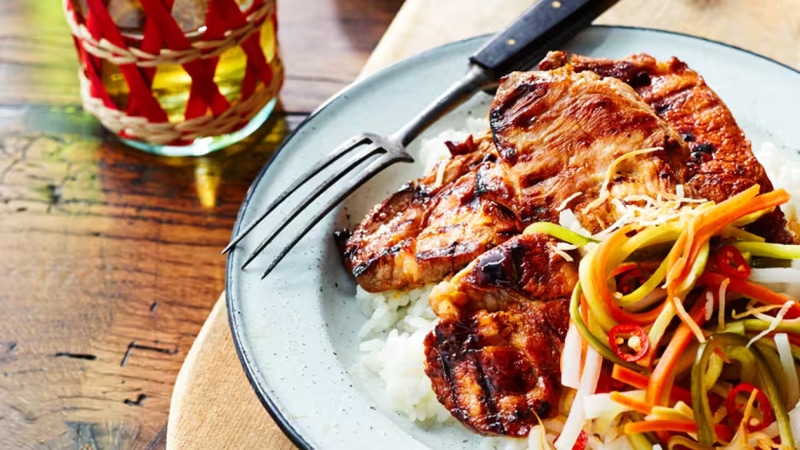
Bai Sach Chrouk is one of the simplest dishes in the country. Thinly sliced pork is grilled over charcoal. Bai Sach Chrouk has many different flavours in different regions because people marinate pork with coconut milk or garlic. The grilled pork is served with white rice, cucumber, radish, ginger, and a bowl of broth with fresh and fried shallots.
Nom Banh Chok
- Origin: Traditional Khmer villages
- Best to eat in: Local markets, Siem Reap & rural areas
- Price: 1 – 3 USD
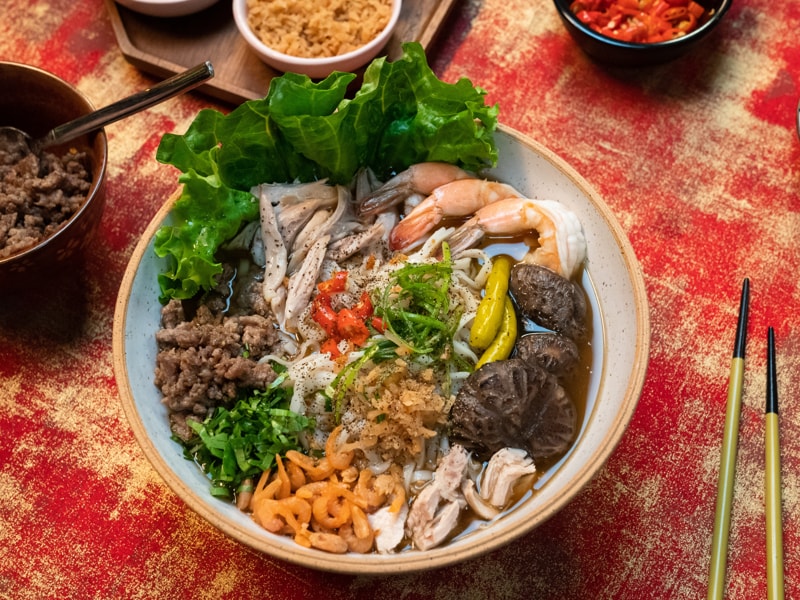
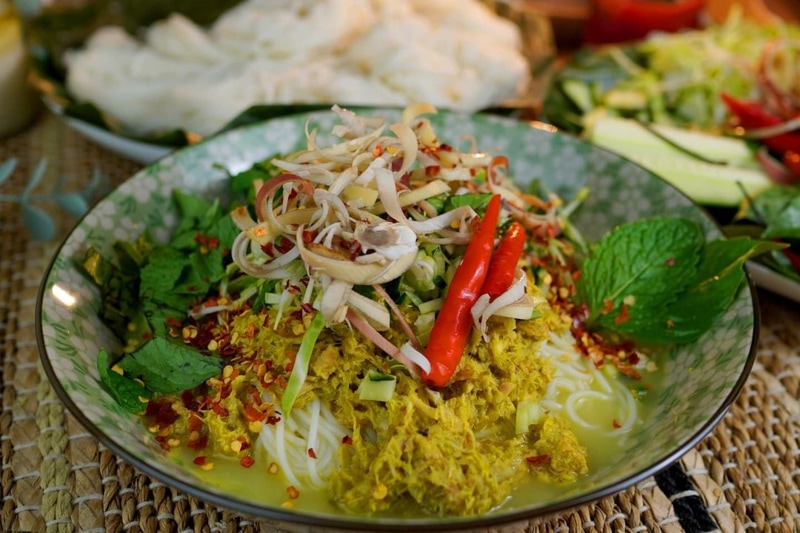
Nom banh chok is a noodle dish often served for breakfast or as an afternoon snack. Fermented rice noodles, handcrafted in a mortar, are soaked in a sauce made with lemongrass, kaffir lime leaves, galangal, turmeric, and freshwater fish simmered for hours in coconut milk. This Cambodian food is then topped with fresh vegetables such as banana blossoms, cucumber, water lilies, and fresh herbs like mint and basil.
Samlar Kari
- Origin: Central Cambodia (Khmer royal cuisine influence)
- Best to eat in: Siem Reap, Phnom Penh
- Price: 4 – 8 USD
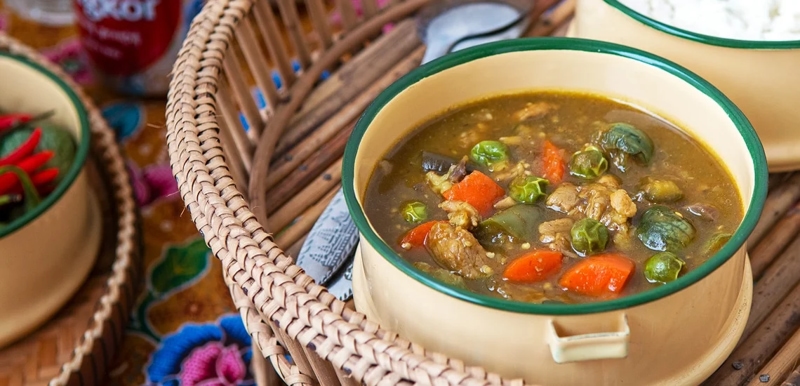
This is a traditional chicken curry consisting of pieces of chicken in a smooth coconut sauce with a distinctive flavour from Cambodian kroeung sauce, shrimp paste, fish sauce, and palm sugar. Optional additions include vegetables such as purple sweet potato, onion, bamboo shoots, carrots, eggplant, long beans, or spinach.
Samlor Kako
- Origin: Traditional rural Cambodian households
- Best to eat in: Local restaurants, countryside eateries
- Price: 3 – 6 USD
Samlor kako is considered one of the national Cambodian foods. Samlor kako includes green kroeung, prahok (rice flour), roasted rice, catfish, pork or chicken, vegetables, fruits, and herbs. In Khmer, “samlor” means soup, and “kako” means to mix or stir, so it’s a mixed soup cooked with various vegetables according to preference. Typically, it’s made with pumpkin, papaya, green plantain, eggplant, and long beans. The fish meat is mixed with prahok, then all the vegetables are added to a pot along with boiling water, and the dish is cooked over medium heat.
Prahok Ktis
- Origin: Tonlé Sap Lake communities
- Best to eat in: Local Khmer restaurants
- Price: 3 – 5 USD
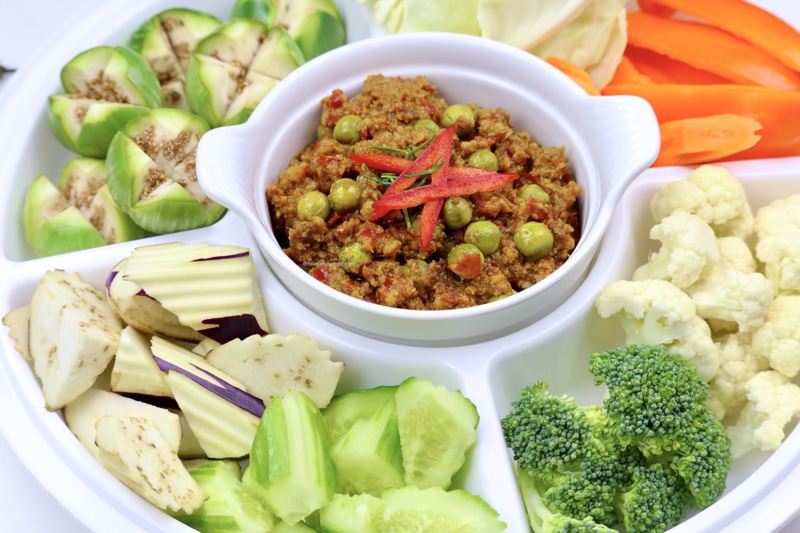
Prahok ktis, a flavorful Cambodian food, is served with fresh vegetables and rice. Its three main components are fermented fish (prahok), lemongrass powder (kroeung), and coconut milk. This traditional Khmer dish uses kroeung, a lemongrass powder made from herbs and spices, and prahok, which is very popular in Cambodia. Thanks to the accompanying ingredients, the spicy prahok is mellow, and it’s eaten with rice and boiled vegetables or sliced cucumbers.
Num Pang
- Origin: Phnom Penh (French influence)
- Best to eat in: Street stalls, city bakeries
- Price: 1 – 2.5 USD
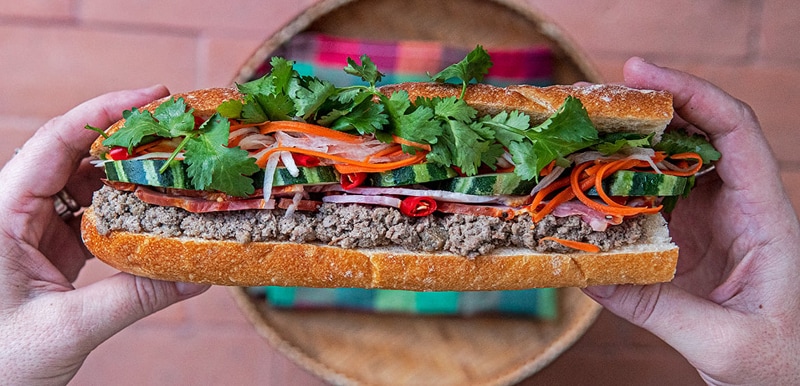
Num pang is a sandwich quite similar to Vietnamese banh mi, also influenced by French cuisine. It’s one of the most popular and characteristic street foods in Cambodian cuisine. The dish is prepared with a variety of ingredients such as butter, pate, mayonnaise, chilli peppers, papaya salad, pork, and is served with fish sauce and soy sauce.
Yaohon
- Origin: Urban Cambodia
- Best to eat in: Phnom Penh, Siem Reap restaurants
- Price: 6 – 15 USD (for 2 – 3 people)
Yaohon is a Cambodian hot pot dish with a variety of vegetables, meats, and seafood. The broth is made from a mixture of coconut milk, chicken broth, barbecue sauce, fish sauce, soy sauce, kaffir lime leaves, lemongrass, and palm sugar. Typical vegetables include watercress, spinach, and bok choy, while meat and seafood choices often include chicken, shrimp, squid, oysters, and mussels. Also included are crushed peanuts, quail eggs, mushrooms, etc.
Samlar Machu
- Origin: Mekong River regions
- Best to eat in: Local eateries, riverside towns
- Price: 3 – 6 USD
Samlar Machu is made with meat, fish, or seafood and vegetables cooked in a sour broth. Local seasonal vegetables and herbs may include water spinach, shallots, green onions, tomatoes, kaffir lime leaves, spicy basil, coriander, and lemongrass. Other key ingredients in this dish are fermented fish paste (prahok) and kroeung, while souring agents include fruit seeds (krasaing), tamarind, or lime juice (kaffir).
Twa Ko
- Origin: Street food tradition across Cambodia
- Best to eat in: Night markets, street vendors
- Price: 1 – 3 USD
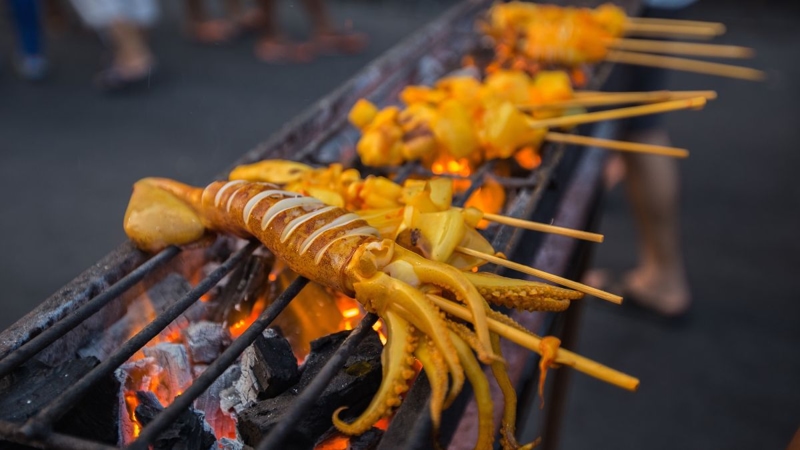
A must-try Cambodian street food is Twa Ko, a Cambodian sausage made from beef or pork and various spices. Like any other delicious homemade sausage, authentic Khmer sausage contains at least 20-25% fat. Some people also prefer pork belly as the main ingredient. Diners can enjoy twa ko grilled, fried, or served with steamed rice and fresh vegetables.

Cambodian Food: 6 Traditional Delicious Sweets
Cambodia’s paradise of delicious desserts is always a colourful and strangely appealing world for anyone, especially those with a love for food. After enjoying your main meal, don’t forget to try these sweets/desserts in Cambodia:
Sankhya Lapov
- Origin: Central Cambodia
- Best to eat in: Local restaurants, festivals
- Price: 2 – 4 USD
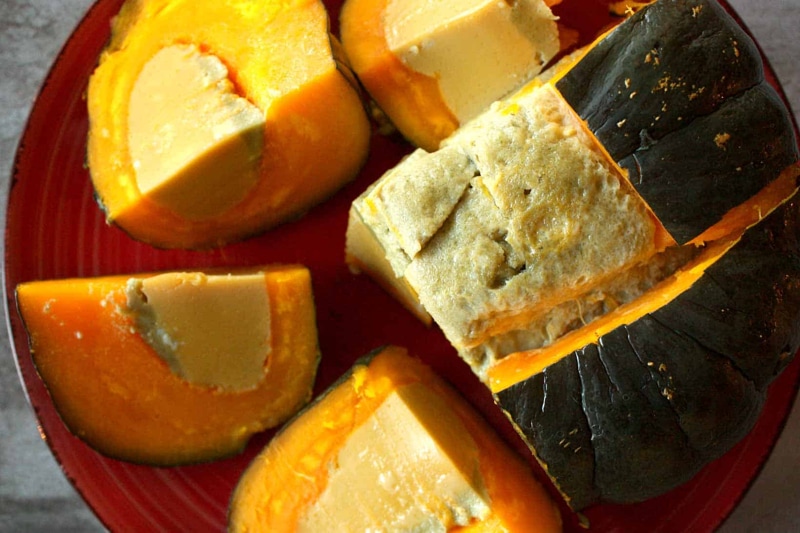
If you’re looking for a delicious Cambodian dessert, don’t miss the pumpkin and coconut custard. This Cambodian dish is often served after lunch and dinner, essentially a sweet custard pastry stuffed inside a large pumpkin before being steamed. Locals often serve sankhya lapov on special occasions.
Mung Bean Pudding
- Origin: Street dessert culture
- Best to eat in: Markets, street stalls
- Price: 1 – 2 USD
Mung bean pudding is available at street stalls and is often eaten to help cool the body temperature. It’s best served with the alluring aroma of coconut sauce.
Mango and Sticky Rice
- Origin: Popular Southeast Asian dessert culture
- Best to eat in: Khmer restaurants, cafés
- Price: 2 – 4 USD
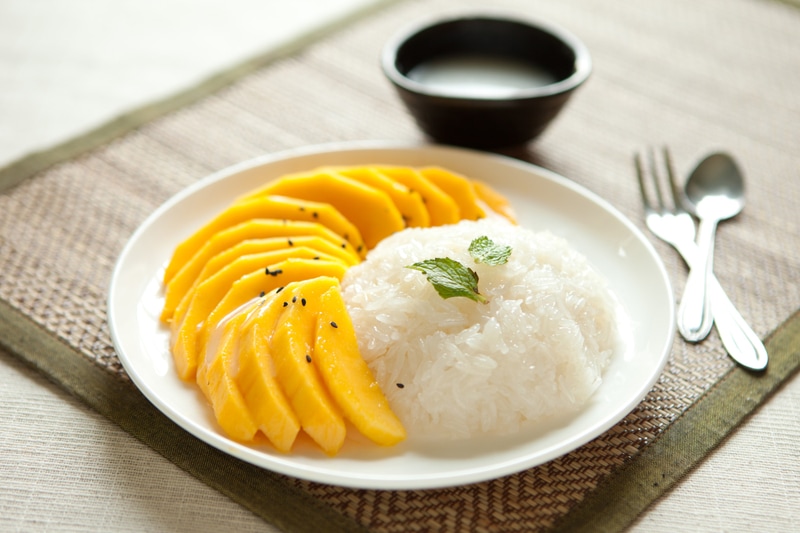
Sweet sticky rice paired with mango tart is a popular dessert in Khmer restaurants. It’s also a popular dish in some cooking classes in the capital. Coconut milk is used to soften the rice and add sweetness.
Cha Houy Teuk
- Origin: Urban dessert stalls
- Best to eat in: Markets, street vendors
- Price: 1 – 2 USD
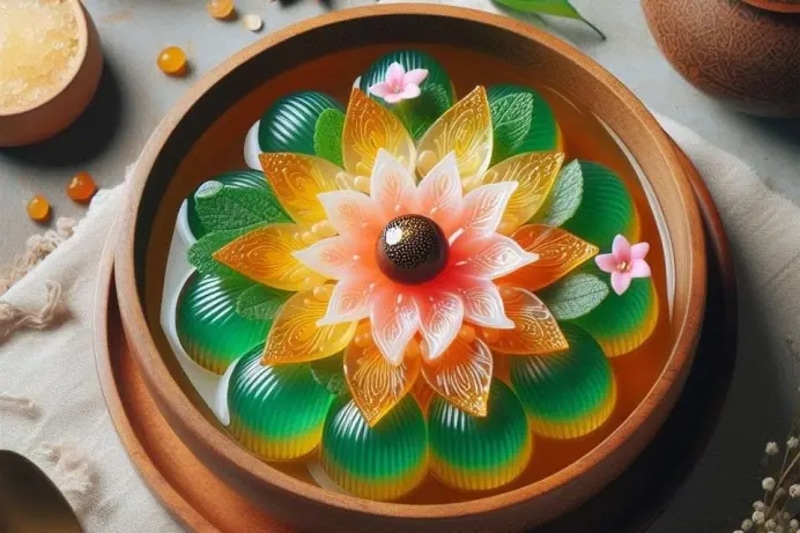
Cha Houy Teuk is a sweet jelly dessert made from agar-agar, a type of gelatin derived from seaweed. It comes in fluorescent colors – pink, green, blue – and is often flavored with sorghum, mung bean, and coconut cream, and served with a scoop of cool, shaved ice.
Num Chak Kachan
- Origin: Buddhist ceremonial dessert
- Best to eat in: Pagodas, local markets
- Price: 1 – 2 USD
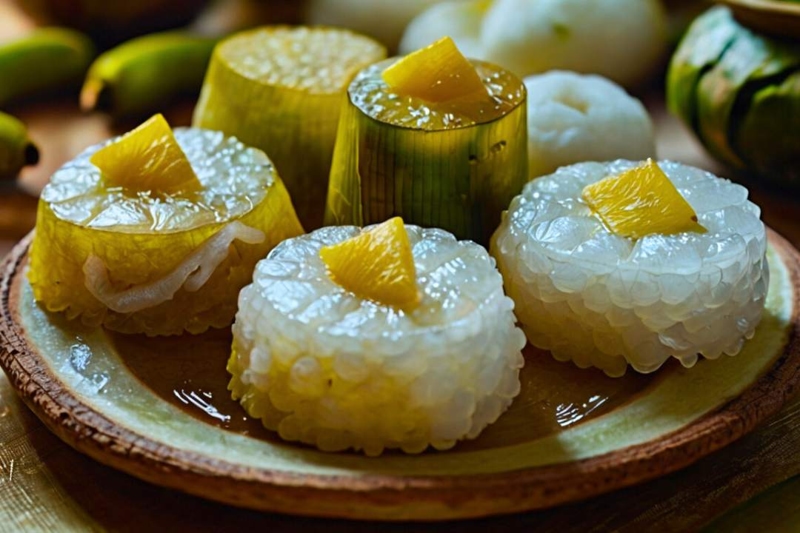
Traditionally, Num Chak Kachan (Khmer Layer Cake with Coconut Cream) is eaten during Buddhist holidays and comes in many different shapes and colors. This sticky rice cake is made from rice flour, palm sugar, and coconut cream; it’s super sweet and smooth, giving a slightly creamy texture, perfect for those with a sweet tooth.
Num Ansom Chek
- Origin: Festival dessert (Khmer New Year & Pchum Ben)
- Best to eat at: Local bakeries, festivals
- Price: 1 – 3 USD
One of the added delights of eating this dish is Num Ansom Chek (Banana Cake). It is undeniably one of the most popular desserts in Cambodia. It is made in a rice cake that is stuffed with some sliced bananas to give it a sweeter taste. It is then wrapped in banana leaves. Specialty cakes are made during the Khmer New Year celebration and the Pchum Ben festival. It is brought to temples to be offered to monks.
Where Indian Tourists Should Eat in Cambodia
Finding suitable places to eat plays a key role in how Indian travelers experience Cambodian food. For first-time visitors, comfort, hygiene, and ingredient transparency often matter just as much as flavor. Choosing the right type of restaurant can make meals more enjoyable and reduce unnecessary worries during the trip.
Local Restaurants vs Tourist Restaurants
For first-time travelers from India to Cambodia, restaurants targeted towards tourists are typically going to be the easiest to find. Most tourist-oriented restaurants tend to have better sanitary practices, an English menu, and accommodate vegetarian, no-beef, or spice-free requests. Areas such as Siem Reap’s Pub Street and Old Market, as well as Phnom Penh’s Riverside and BKK1, have numerous tourist-oriented restaurants, making them some of the easiest to find for international customers.
While local Cambodian restaurants may be more authentic and cheaper, they normally have a high usage of “fish sauce” or “fermented fish” as part of their everyday cooking. As a result, it is typical for the majority of visitors to look for a tourist-oriented restaurant first until they get used to the process of ordering food in Cambodia and know what they need to request to modify their meals according to their preferences.
Recommended Cambodian Restaurants for Indian Travelers
Below are some well-known and trusted restaurants in big cities that are frequently recommended for travellers to fully experience Cambodian food.
Siem Reap
-
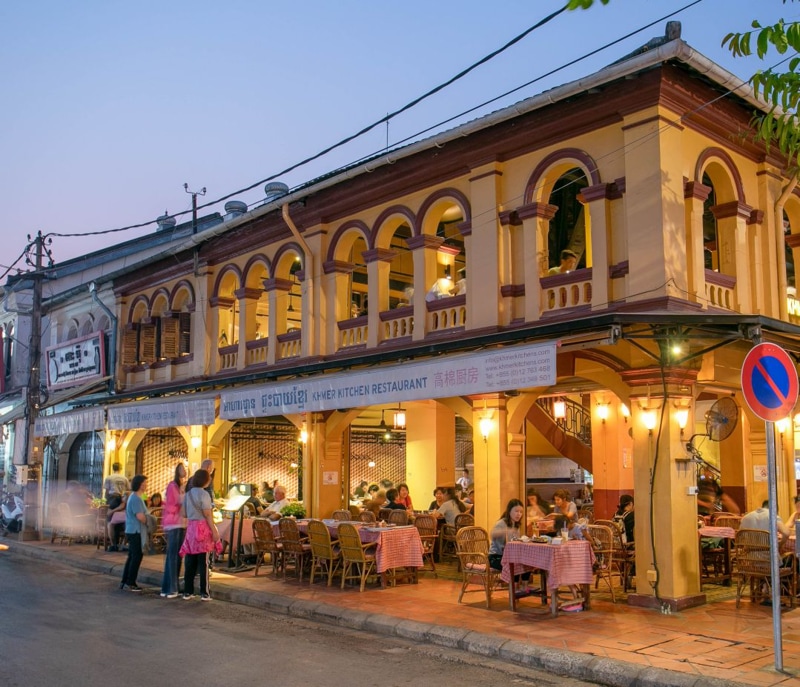
Khmer Kitchen Restaurant (near Pub Street): This is one of the best-known Cambodian eateries in Siem Reap, renowned for its Fish Amok, Lok Lak, or vegetable-based curries à la Khmer style dishes. The menu is well defined, with dishes of understated flavors and many vegetarian dishes available.
-
Chanrey Tree: This restaurant has received numerous positive reviews for its clean and tranquil restaurant atmosphere, as well as its impressive presentation of dishes and light seasoning style of cooking that is popular with many Indian tourists to Cambodia.
-
Embassy Restaurant: They serve traditional Cambodian food made in antique recipes. In modernizing this traditional way of cooking, they were forced to revamp how they display it. They manage to cater to travelers who look for a way to enjoy Khmer food comfortably.
-
Cuisine Wat Damnak: A restaurant that is awarded a star from Michelin for its focus on eating fresh Cambodian ingredients using old Cambodian recipes. Comfort is imperative so that tourists can enjoy the foods that they know and love, but in a more upscale setting.
-
Banlle Vegetarian Restaurant: This is a restaurant where cooking prominently includes Khmer vegetarian food with uncomplicated flavors and only minimal use of pepper or spices in food preparation.
Besides, in Siem Reap, you can find anything on Earth in the food streets of Siem Reap, as there is an astonishing variety of dishes here. This is considered one of the best things to do when visiting Cambodia.
Phnom Penh
-
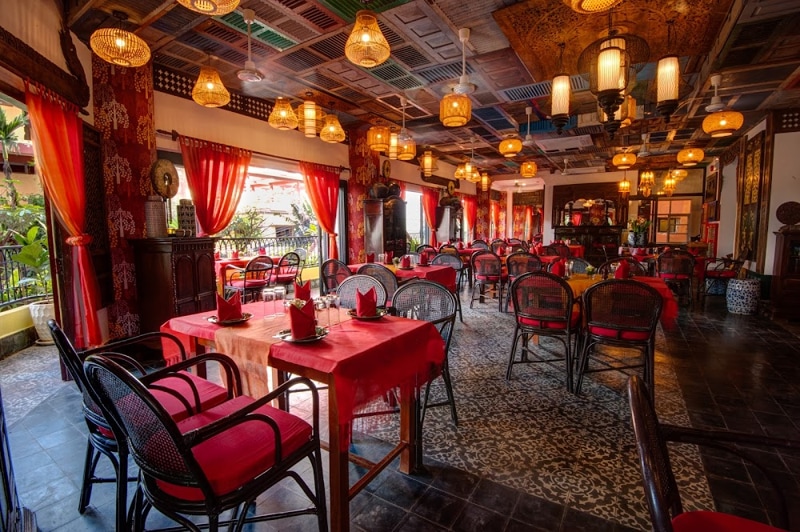
Khmer Surin Vegetarian Restaurant: In Phnom Penh, the Khmer Surin Vegetarian Restaurant has long catered to the vegetarian crowd. Boasting a clean and fresh ambiance and traditional Khmer cuisine featuring food with balanced and gentle flavoring, the restaurant has long been a favorite destination of foreign tourists.
-
Bombay Kitchen Phnom Penh: Bombay Kitchen Phnom Penh has a large number of loyal patrons from India and the surrounding areas, as well as tourists coming to visit. It serves authentic Indian cuisine and a comfortable option for extended stays in the area.
Sihanoukville
-
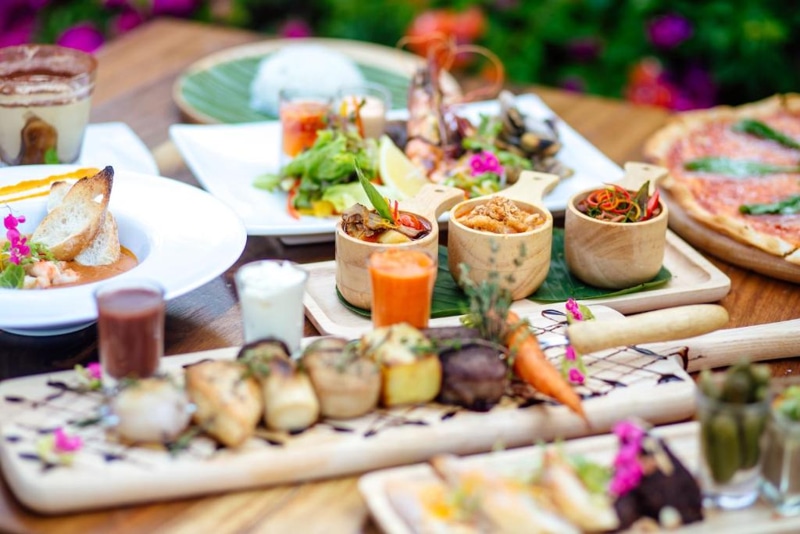
Secret Garden Otres is located right on the sandy beach of Otres, Sihanoukville, and has a relaxed setting that is very easy to walk into for those who are traveling. They have a selection of fresh seafood and Cambodian-style dishes.
-
Dany’s Beach Restaurant is a small restaurant that offers basic meals known as basic Khmer food. The majority, if not all, dishes from Dany’s Beach Restaurant are made from fresh seafood, and the style of cooking used by the person is quite light because the dishes he prepares are simple yet quite familiar to most individuals.
Conclusion
Hopefully, the information about Cambodian cuisine, including the most outstanding dishes and highly-rated restaurants compiled by Vietnamtour.in, will help plan your upcoming trip.
If you are still having difficulty researching itineraries, culture, food, or famous landmarks in this country, let the experts at Vietnamtour.in help you resolve it!