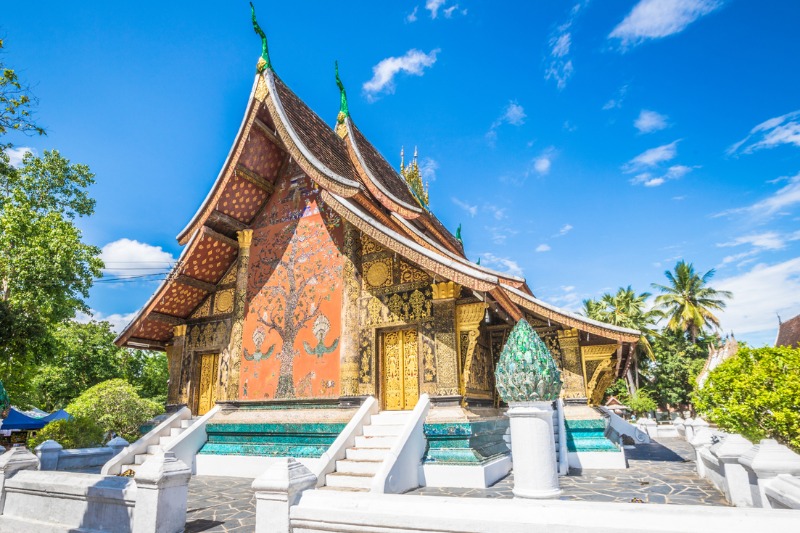
From the UNESCO World Heritage towns to the limestone mountains and waterfalls, there are numerous famous places in Laos that one can explore.
With over 10 years of experience in planning customized tours for Indian travelers, Vietnamtour.in has received thousands of guests visiting Southeast Asia. Based on the experiences of our guests visiting Laos, here are the 15 places that are mostly chosen and appreciated by first-time visitors to Laos.
Luang Prabang: The Cultural Capital of Laos
Luang Prabang is one of the most famous places to visit in Laos and is a UNESCO World Heritage Site. This historic town lies at the confluence of the Mekong and Nam Khan rivers, being famous for its historic temples and French colonial architecture. This place also evokes a spiritual aura. Luang Prabang is definitely the best place for first-time visitors to Laos. Here are unmissable destinations for Indian travellers when visiting this city:
Wat Xieng Thong
- Address: Khem Khong Road, Luang Prabang Old Town
- Entrance Fee: Approximately 20,000 LAK (85 INR) per person
The name Wat Xieng Thong means “Temple of the Golden City.” Wat Xieng Thong is the largest temple in Luang Prabang, a significant symbol of Laos’ history, religion, culture, and tourism. It currently preserves many ancient relics, religious artifacts, and traditional Lao art.
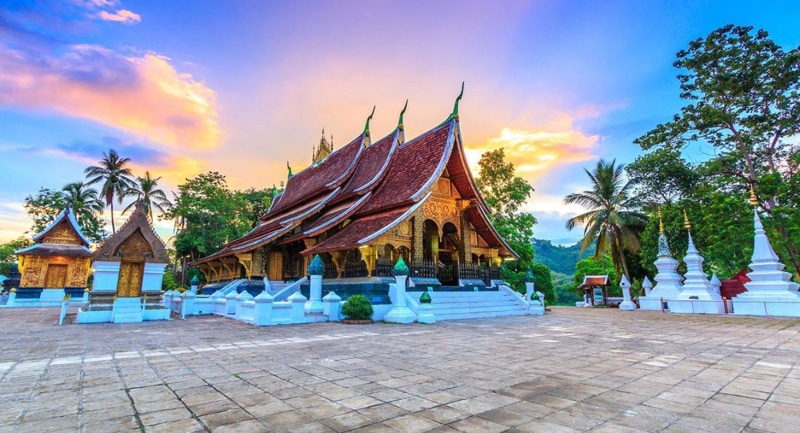
Wat Xieng Thong was built in the traditional Lao architectural style in the 16th century. The walls are adorned with intricate carvings and feature numerous Buddha statues. It is one of the few temples that survived the Black Flag Army invasion in 1887. Aside from restoration work on the roof, gilding, and lacquering of the entrances and walls, the temple remains largely intact as it was originally built.
Many Indian guests appreciate the peaceful spiritual atmosphere and the deep Buddhist heritage reflected in the temple’s architecture. It is also one of the best places for photography, especially for families and couples.
Restaurants such as Nisha Restaurant (Indian cuisine) and Taste of Ceylon are located in Luang Prabang town center, offering vegetarian and Jain-friendly options.
Mount Phousi (Phou Si)
- Address: Sisavangvong Road, Luang Prabang
- Entrance Fee: Approximately 20,000 LAK (85 INR) per person
Many tourists often say, “If you haven’t been to Mount Phousi, you haven’t truly been to Luang Prabang.” Mount Phou Si is considered one of the highest mountains in Luang Prabang, reaching 100 meters above sea level. From this height, visitors get a spectacular 360-degree view, overlooking the city of Luang Prabang situated along the Nam Khan and Mekong rivers.
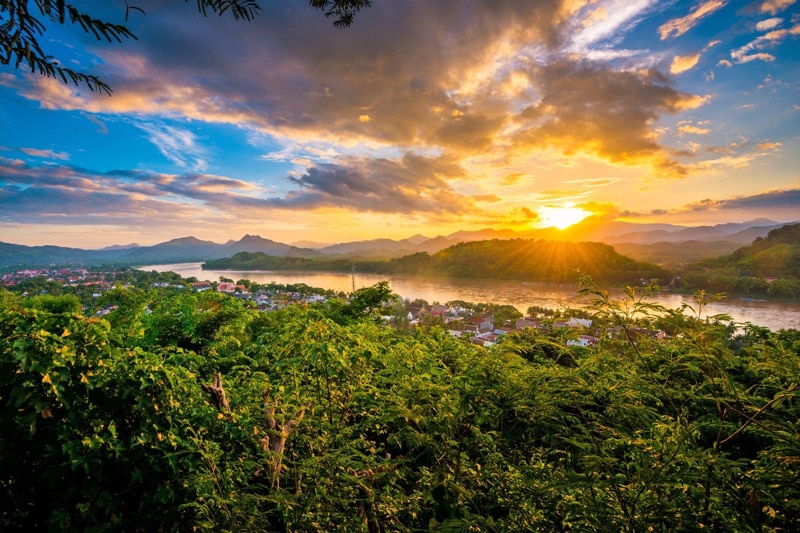
The hill is dotted with numerous Buddha statues and temples. The highest point on Mount Phou Si in Laos is Wat Chom Si, which is also the starting point for the Lao New Year parade. Additionally, there is Mount Psita at the summit, and the royal palace at its foot.
Kuang Si Falls (Wat Kuang Si)
- Address: Ban Long, 29 km south of Luang Prabang
- Entrance Fee: Around 25,000 LAK (106 INR) per person
Kuang Si Falls is a natural gem of Laos, the Land of a Million Elephants. Its unique fascination comes from the incredible natural swimming pool with stone steps, as well as the crystal clear and turquoise water, amidst a pristine and majestic forest environment.
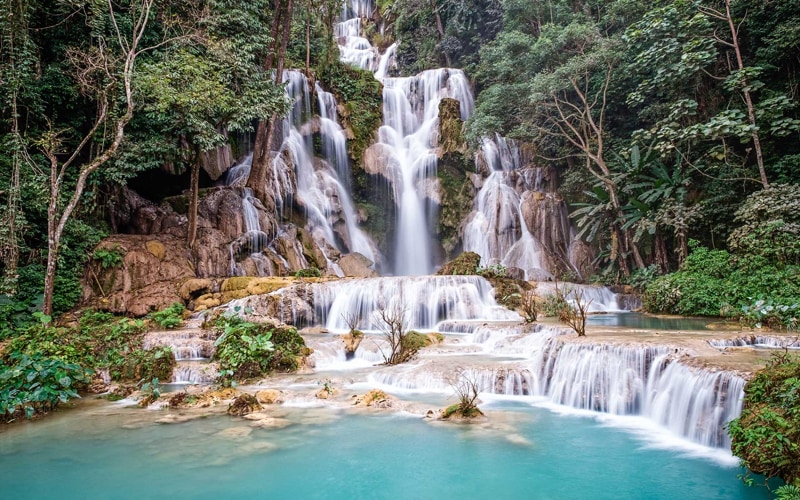
Kuang Si is a complex of three waterfalls, the main one reaching approximately 60 meters. The water cascades down from above, creating a spectacular scene of white foam and mist. With its cool and humid climate year-round and the local government’s strong protection of its flora and fauna, Kuang Si boasts a rich and natural environment. Walking along the trail to the falls, visitors will have the opportunity to encounter many rare reptiles, mushrooms, and flowers.
There are simple local eateries near the entrance, but Indian travellers usually prefer returning to Luang Prabang town for Indian dining options.
Alms Giving Ceremony (Tak Bat)
- Location: Sisavangvong Road
- Entrance Fee: Free (donations optional)
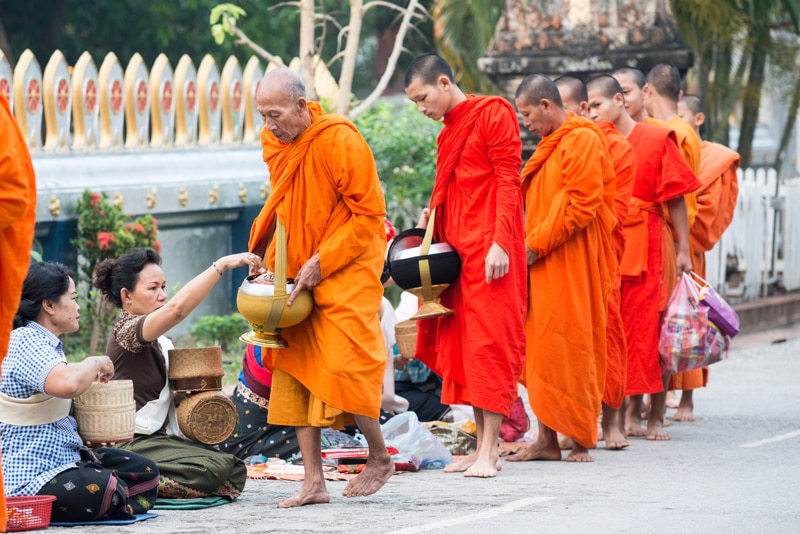
The Alms Giving Ceremony is one of the most photographed cultural experiences in Luang Prabang. Every morning, hundreds of monks are seen passing through the streets, collecting food being offered by the people of the city. It is a tradition that has its roots dug deep into the spiritual tradition of Laos. Anyone interested in witnessing this tradition needs to respect it and follow local customs.
Vientiane: The Capital City of Laos
Vientiane is the capital of Laos, which is also its political and economic center. While all other Southeast Asian capitals are quite active, Vientiane has a rather peaceful feel to it, with wide roads, Buddhist temples, and a relaxed riverside feel along the banks of the Mekong River. The city has some of the most significant landmarks in the country and is a must-visit destination for first-timers.
Pha That Luang
- Address: That Luang Road, Vientiane
- Entrance Fee: Around 30,000 LAK (128 INR) per person
Located in the heart of Vientiane, the capital of Laos, Pha That Luang boasts a serene and ancient beauty, with many historical structures clustered together. Also known as the Golden Pagoda, Pha That Luang is a top national monument in Laos. This exquisite structure has become a distinctive religious and cultural symbol of the land of temples. As a major Buddhist monument, it strongly resonates with Indian travellers interested in religious heritage and history.
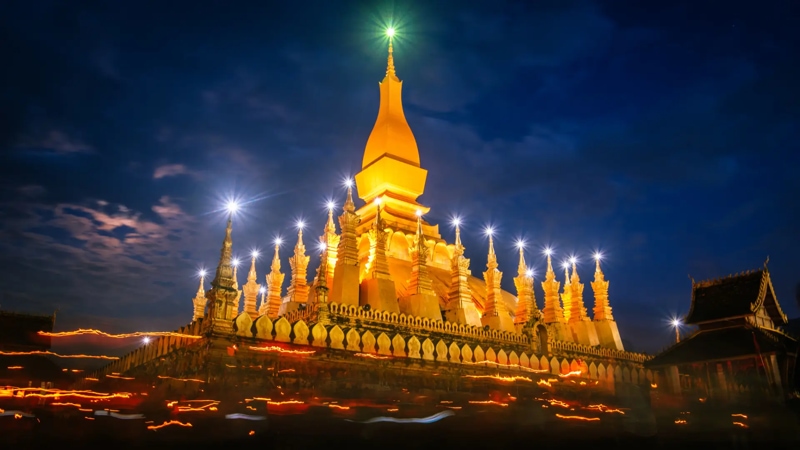
The Pha That Luang stupa consists of three levels, each reflecting a part of Buddhist teachings. Level 1 measures 67m x 68m, Level 2 measures 47m along each side, and Level 3 measures 29m along each side. From the ground to its highest point, the Pha That Luang stupa is 45m tall. Only the very top is covered in real gold; the rest is painted gold. However, according to the builders, approximately 1,000 pounds of gold were used to decorate the stupa.
Patuxai Monument
- Address: P.D.R Road, Vientiane
- Entrance Fee: Around 30,000 LAK (128 INR) (to climb to the top)
Not only is the Patuxai Monument located in the heart of the Lao capital, but its distinctive architecture also makes it a unique landmark. The structure is a single concrete block divided into seven levels, with four sides, each 55 meters high and 24 meters wide, along with two additional levels. The windows on the tower are decorated with Buddha images, and the levels are connected by sturdy staircases.
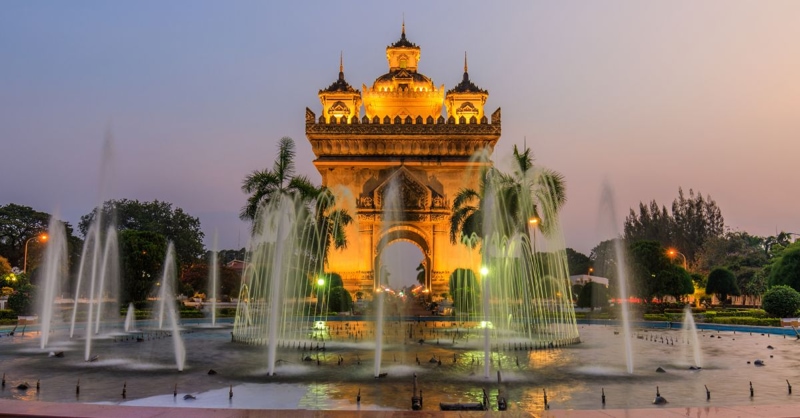
Furthermore, it is known as a memorial to the heroic sacrifices of national heroes who contributed to the peace and development that we enjoy today. Therefore, when you visit, you can admire its impressive beauty, take plenty of photos on social media, and discover many heroic historical stories of the “Land of a Thousand Elephants.” If you visit in the evening, you might even see locals exercising and dancing below Patuxai. These activities create a peaceful atmosphere for tourists.
About food, Delhi Durbar Vientiane and Taj Mahal Restaurant (Indian cuisine) are popular restaurants among our Indian groups when visiting Vientiane.
Wat Sisaket
- Address: Setthathirath Road, Vientiane
- Entrance Fee: Around 30,000 LAK (128 INR)
Wat Si Saket is among the top and most famous ancient temples in the world. It’s not only a tourist destination showcasing the impressive and unique architectural beauty of ancient Laos, but also reflects the culture, history, and beliefs of the people. Influenced by Siamese culture, the temple’s architecture is quite unique, bearing similarities to temples in Thailand. Although the structure still stands today and largely retains its exterior, many ancient artifacts inside have been stolen.
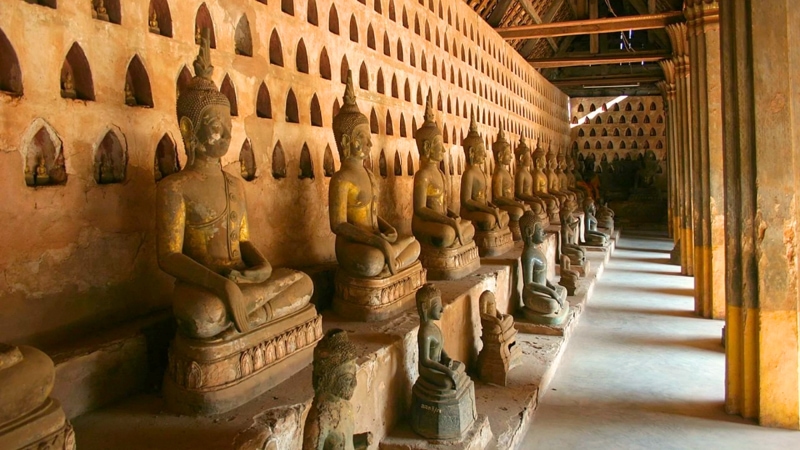
When visiting the temple, you’ll have the opportunity to see a large number of rare ancient statues, learn about the temple’s worship culture, and take many stunning photos. Many of the statues are over 1200 years old and are believed to have been collected after wartime.
Buddha Park
- Address: Thanon Tha Deua, 24 km from Vientiane
- Entrance Fee: Around 15,000 LAK (64 INR)
Located approximately 24 km from the capital Vientiane, Buddha Park is famous for its unique Buddhist statues, making it a serene spiritual tourist destination in Laos. The Buddha statues are situated along the Mekong River, creating a vast, picturesque landscape that evokes a sense of peace and tranquility in visitors.
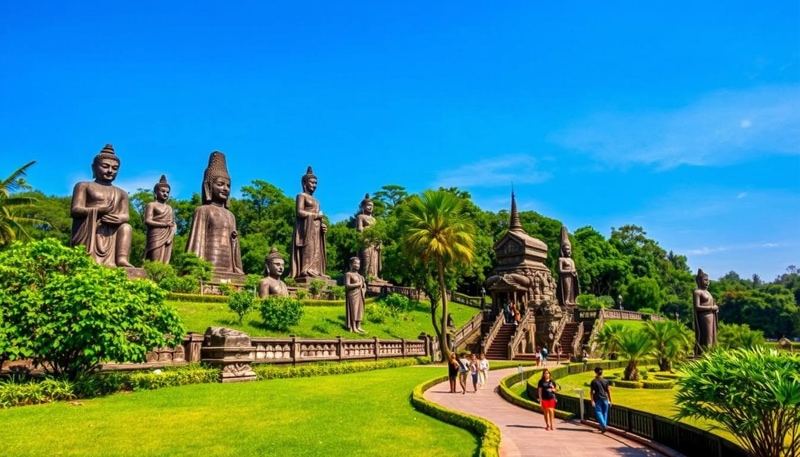
Construction of Buddha Park began in 1962 and was completed in 1971, featuring nearly 300 statues of humans, gods, animals, and demons, each showcasing a harmonious blend of Hinduism and Buddhism. Visitors can admire the lifelike statues, immerse themselves in the peaceful atmosphere, and take memorable photos.
Vang Vieng: Limestone Mountains and Blue Lagoons
Vang Vieng is one of the most popular places to visit in Laos, especially for Indian travellers who are keen on natural scenery. It is a town surrounded by picturesque mountains made of limestone rocks and rice fields, and is also known for the presence of blue lagoons, caves, and river scenery. Over the years, Vang Vieng has changed to become a nature-oriented town as well as a location with many scenic areas near town.
Blue Lagoon
- Location: Around 7 km from Vang Vieng town
- Entrance Fee: Around 10,000 to 20,000 LAK (42 to 84 INR), depending on the lagoon number
The Blue Lagoon, located about 7 km from Vang Vieng, is a natural complex of deep lagoons with crystal-clear blue water. Here, visitors can immerse themselves in picturesque nature with multi-tiered waterfalls nestled amidst the hills in a cool, tranquil atmosphere.
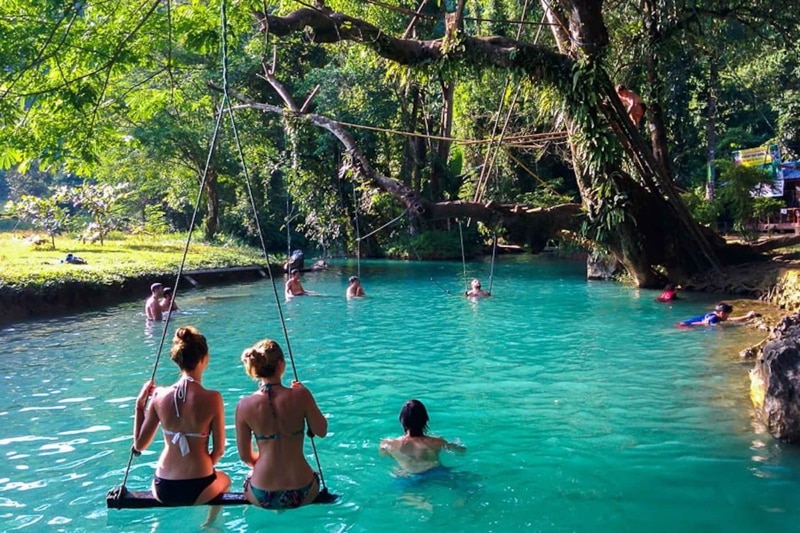
Furthermore, the Blue Lagoon boasts a unique location, ideal for developing thrilling water sports. Here, you can experience the exhilarating thrill of somersaults from high above or ziplining. You can shout, jump, and swim to your heart’s content. When you feel tired, you can rent tents, have a meal, and enjoy a good night’s sleep.
Around the lagoon are several small villages and shops catering to tourists. However, everything retains simplicity and tranquillity, true to Lao culture. This makes the destination increasingly popular with visitors.
Tham Chang Cave
- Address: Near Nam Song River, Vang Vieng
- Entrance Fee: Around 15,000 LAK (64 INR)
Nestled amidst lush green mountains and surrounded by the tranquil Nam Song River, this cave offers a serene and mysterious atmosphere. Visitors enter the complex via a suspension bridge that leads to a small hill, opening the door to a magical world of limestone and stalactites.
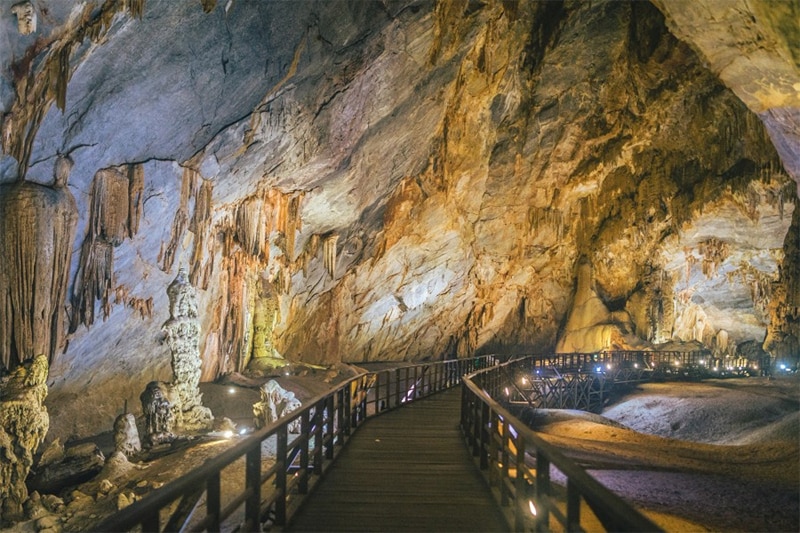
The Tham Chang Cave features a system of stalactites naturally sculpted with delicate and fantastic details formed over millions of years. The columns of stalactites falling from the ceiling of the cave create a picture-like image, which appears to be a veil that conceals nature’s secrets; every angle offers a different look at a unique beauty. Crystal-clear, cool water fills a pool inside the cave, which is a good place for visitors to relax in comfort and enjoy the refreshing atmosphere.
Nam Song River
The Nam Song River is perhaps one of the most scenic sites to experience in Laos and certainly one of the top highlights to see in Vang Vieng, as its waters flow through a dramatic landscape comprised of limestone mountains and green fields, and has developed into iconic views of the area.
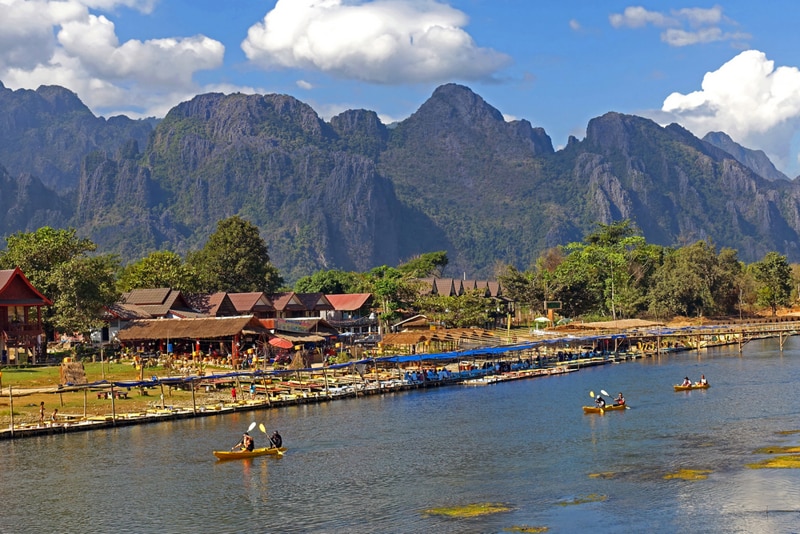
Many travellers come to the Nam Song River to relax as they enjoy the tranquil environment, either by taking part in activities such as boat tours or kayaking, or just by sitting at the café along the riverbanks. The river becomes even more stunning at sunset, and therefore, is a favourite spot to take photographs, as well as offer opportunities for solitude. Those visitors who would like to enjoy the beauty of Laos’ natural surroundings at a slower pace should definitely visit the Nam Song River.
Plain of Jars: The UNESCO World Heritage Site
- Entrance Fee: Around 15,000 to 20,000 LAK (64 to 85 INR) (Site 1)
The Plain of Jars is a cultural and historical monument located near Phonsavan, a town in the province of Xieng Khouang, Laos. Often compared to Angkor Wat, it appeals to Indian travellers, combining Laos with Cambodia. It is the third UNESCO World Heritage Site in Laos and has over 2,000 stone jars of varying sizes, dating back to between 500 BC and 500 AD. The largest are 3 meters in height, weighing 14 tons, while the majority are between 1 and 2 meters high.
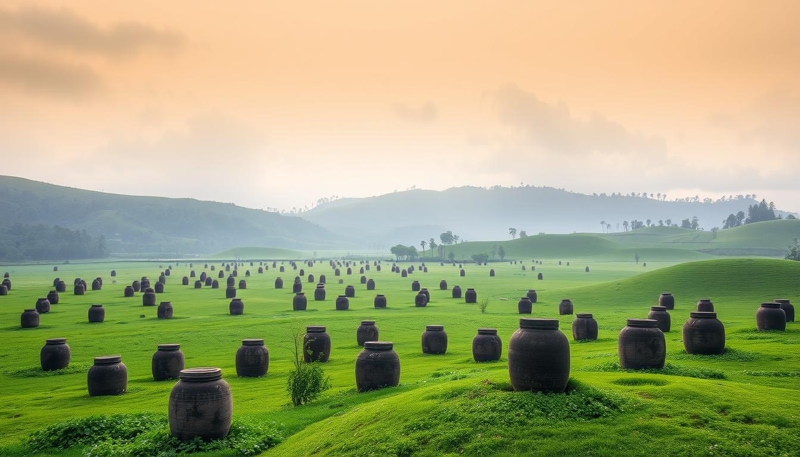
Interestingly, there are no mountains surrounding the place. Other questions, such as where the ancient people carved and developed these gigantic jars, and how the people managed to transport them to Xieng Khouang, still leave an unknown question. Various theories have been proposed to support the idea that jars served to conserve wine during the kingdom of King Khun Cheung.
Pakse and Southern Laos
Southern Laos is the best destination for travelers who want to experience a new side of Laos, away from bustling towns and tourist attractions. From ancient temple sites to powerful waterfalls and serene islands on the river, southern Laos is a place for a relaxing holiday focused on nature.
Wat Phou (UNESCO World Heritage Site)
- Address: Champasak Province, approx. 40 km from Pakse
- Entrance Fee: Around 50,000 LAK (213 INR)
The most significant cultural heritage site in Laos, Wat Phou, is a UNESCO World Heritage Site. Located at the base of a holy mountain overlooking the Mekong River, this large temple complex was built in the Khmer period.
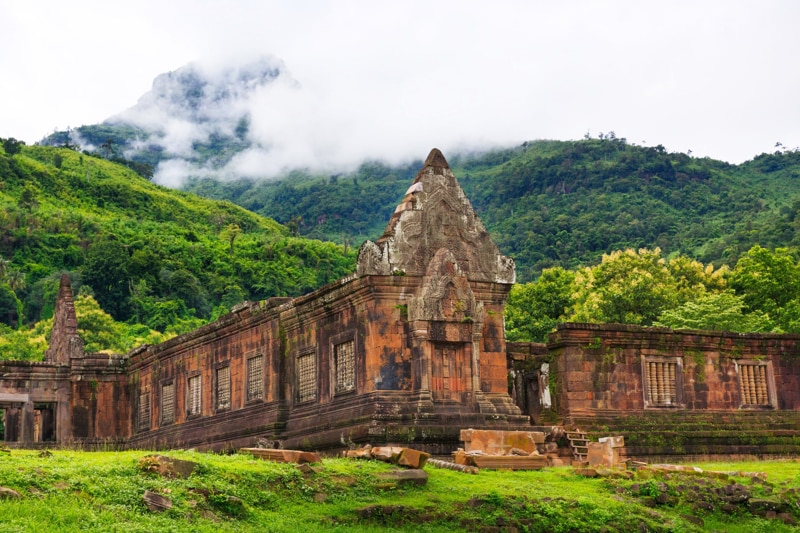
Visitors have the opportunity to walk on stone paths that lead to shrines and ruins, as well as to see the beautiful scenery from many different perspectives. Those who appreciate history and architecture should definitely include Wat Phou on their list of sites to visit while in the area, as it is similar to (but smaller than) the temples of Angkor.
Bolaven Plateau
- Entrance Fee: Free (waterfalls may have small local fees)
The Bolaven Plateau is known for its untouched beauty, magnificent nature, and distinctive culture. At an altitude of 1,000 to 1,300 meters above sea level, Bolaven is endowed with a cool climate all year round. Therefore, for people who love the serenity and beauty of the natural environment with the greenery and coolness of the mountainous and forested landscape, Bolaven is one of the right places to visit in Laos. Specifically, the plateau is known for the many ethnic minority groups who live there with equally distinctive cultures.
The most striking attractions in Bolaven are its majestic waterfalls, the most famous among them being Tad Fane, Tad Yuang, and Tad Lo. They lie deep in the jungle, offering a scenic view of nature: cascading white water falling from tens of meters.
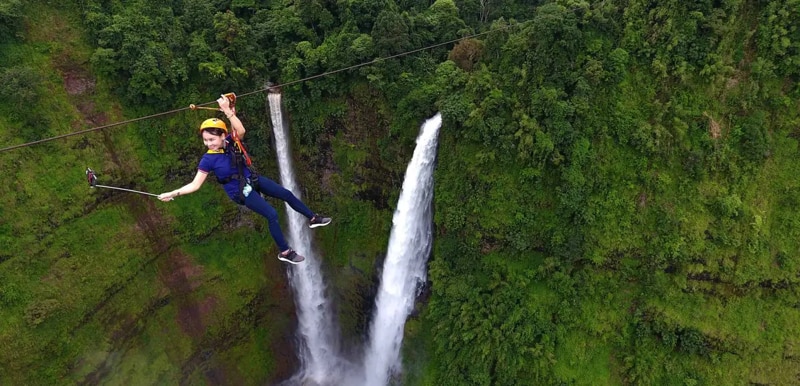
Besides its picturesque scenery, Bolaven is famous for its vast and verdant coffee plantations. It is the biggest region for coffee production in Laos and is highly renowned because of the quality beans developed from the peculiar climate and soil of the highlands.
Si Phan Don (4,000 Islands)
- Location: Southern Laos, Mekong River region
- Entrance Fee: Free (boat fees may apply)
Interesting fact: Laos does not have a landlocked coastline, but a truly relaxing place to visit is the “Si Phan Don” (4,000 islands, “Don” meaning island). Here, the mighty River Mekong divides into a 14-kilometer-wide tributary system, creating a maze of small islands, rocks, and sand.
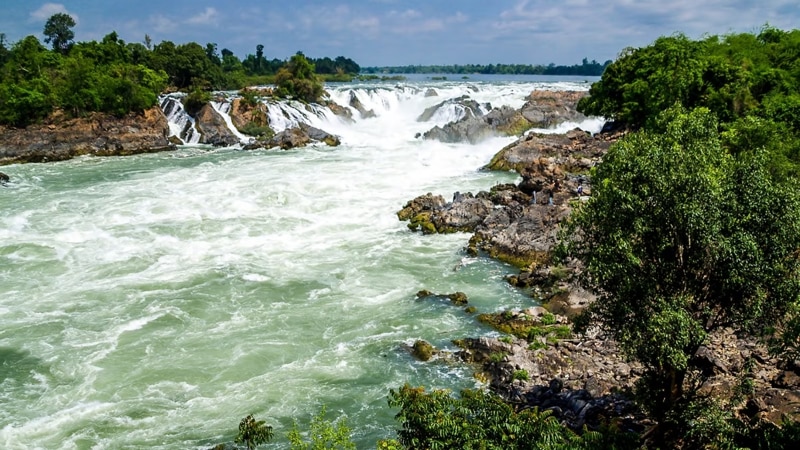
When referring to Si Phan Don, many islands make up this region, all of which offer their own special nature and appealing qualities. However, the most visited islands are Don Det, Don Khon, and Don Khong. Don Khong Island is the largest island in this region and presents a very serene atmosphere with fewer attractions and things to do when compared to other islands such as Don Khon and Don Det.
Indian couples and honeymooners appreciate the peaceful riverside atmosphere, especially when combining Laos with Vietnam or Cambodia.
A Suggested Itinerary through the Best Places to Visit in Laos
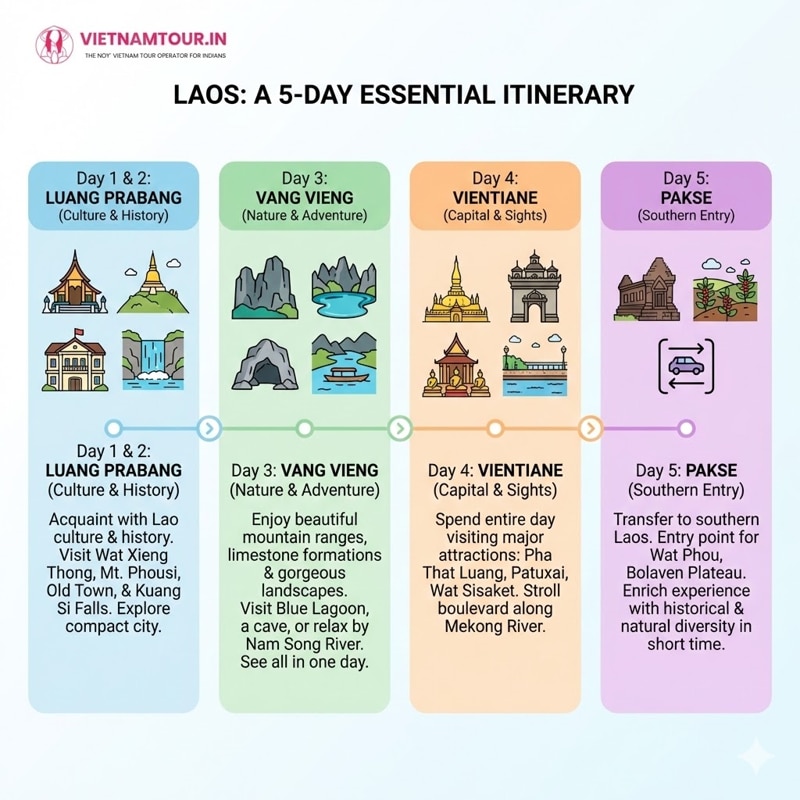
Whether it’s your first trip to Laos or you don’t have much time in the country, this itinerary is designed to maximize your time and show you the most popular attractions in the country over five days. You’ll be able to enjoy the cultural, natural, and urban sides of Laos through these three locations.
-
Days 1 and 2 in Luang Prabang
You will have 2 days in Luang Prabang, but it is enough time to become acquainted with both Lao culture and Lao history. You’ll be able to explore some of the important sites like Wat Xieng Thong, Mt. Phousi, the old town area of Luang Prabang, and Kuang Si Falls. Luang Prabang is very small, and exploring will not take a lot of time, so visiting should be no problem if you only have two days.
-
Day 3 in Vang Vieng
On the 3rd day of your journey, go to Vang Vieng from Luang Prabang. If you like beautiful mountain ranges with many limestone formations and gorgeous landscapes, then Vang Vieng has everything you’re looking for! You can visit the Blue Lagoon, a cave, or spend time relaxing along the banks of the Nam Song River. You can see everything Vang Vieng has to offer in one day.
-
Day 4 in Vientiane
On your fourth day, visit Vientiane. You will spend the entire day visiting all of the city’s major attractions, including Pha That Luang, Patuxai, and Wat Sisaket. After doing some sightseeing in the afternoon, take a stroll on the boulevard along the Mekong River and enjoy the nightlife for a relaxed end to the day.
-
Day 5 in Pakse
The final day of your trip is the transfer to Pakse in southern Laos. Pakse is also the entry point for various sites of significant interest: Wat Phou, the Bolaven Plateau, and so on. Although you will only have a short time in southern Laos, the historical and natural diversity will enrich your overall experience of your trip.
This is a 5-day package that will provide you a balanced experience of Laos. However, most of our Indian guests prefer visiting Laos along with Vietnam or Cambodia to make their Southeast Asian holiday experience richer. If you are looking for a combined Laos-Vietnam or Laos-Cambodia tour package, you can explore more here
Conclusion
Laos offers a wide range of destinations, from historic cities and ancient temples to dramatic landscapes and peaceful river regions. With good planning, travelers can explore the most famous places in Laos even on a short trip.
To start with, if you are planning a tour to Laos and are looking for a well-organized tour that includes the best places to visit in Laos, Vietnamtour.in will assist you with a suitable itinerary based on the amount of time you are willing to spend touring the place.