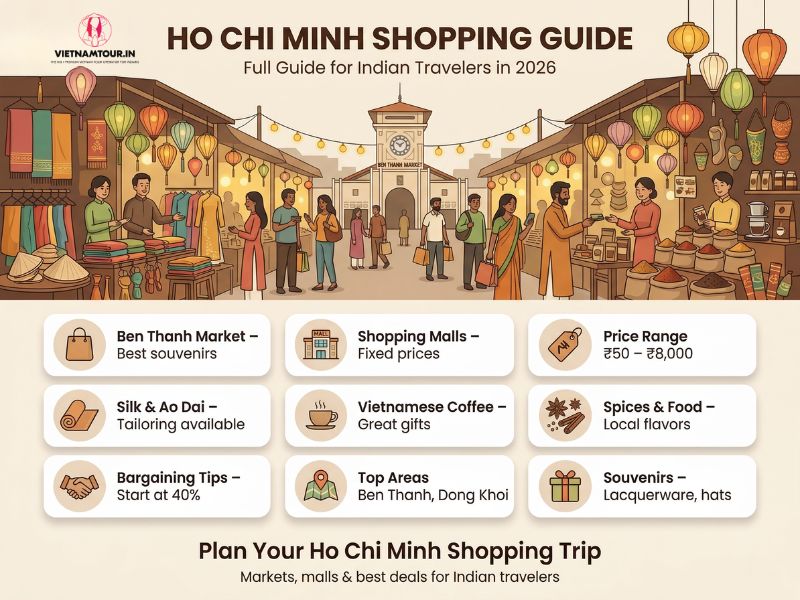
Ho Chi Minh City offers a premier shopping experience for Indian travelers across 8 primary zones, including bustling traditional markets like Ben Thanh and premium retail corridors like Dong Khoi Street. Prices for sought-after items range significantly, from ₹50 for small souvenirs to ₹8,000 for high-quality tailored ao dai, with competitive pricing 30–50% lower than Indian retail markets. For the best value-for-money, Indian tourists should prioritize Vietnamese coffee, silk handicrafts, and locally sourced spices.
Ben Thanh Market Shopping: Hours, Products, and Price Ranges for Indian Shoppers
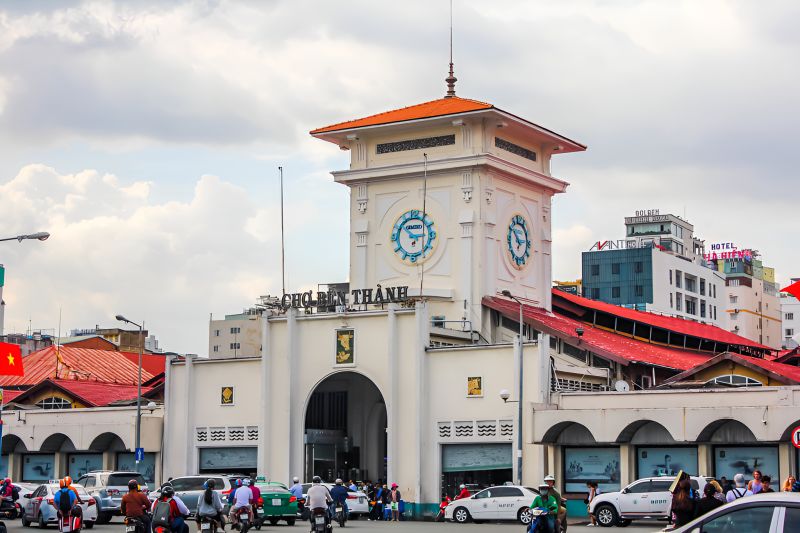
Ben Thanh Market is Ho Chi Minh City’s most visited shopping destination, located in District 1 at the intersection of Le Loi and Tran Hung Dao Streets — 10 minutes on foot from most Indian-friendly hotels along Bui Vien and Pham Ngu Lao Streets. The Ben Thanh market operates from 6:00 AM to midnight, with the daytime market (6:00 AM–6:00 PM) housing permanent vendors selling clothing, lacquerware, fresh produce, and dried food, while the night market section activates after 6:00 PM on the surrounding perimeter streets, with a separate set of vendors and a stronger souvenir focus.
There are 5 product categories available across Ben Thanh’s interior stalls:
- Clothing and fashion: T-shirts from ₹178–₹357 (50,000–100,000 VND); cotton dresses ₹535–₹1,071 (150,000–300,000 VND); ao dai ready-made ₹1,071–₹2,857 (300,000–800,000 VND).
- Souvenirs and decorative items: Conical hats (Non La) from ₹178–₹714 (50,000–200,000 VND); lacquerware boxes ₹357–₹1,786 (100,000–500,000 VND).
- Silk items: Silk scarves ₹1,429–₹3,571 (400,000–1,000,000 VND); silk fabric by meter ₹714–₹2,857 (200,000–800,000 VND) depending on quality.
- Dried food and spices: Star anise ₹107–₹214 per 100g; cinnamon sticks ₹89–₹179; dried chilies ₹64–₹125 — all familiar to Indian cooks and customs-compliant for import to India.
- Vietnamese coffee and accessories: Ground coffee packs 500g from ₹214–₹429 (60,000–120,000 VND); phin filter sets from ₹178–₹286 (50,000–80,000 VND).
For Indian travelers who cook at home, the dried spice section at Ben Thanh’s northeast corner stocks the same star anise, cinnamon bark, and Phu Quoc black pepper found in Indian masala boxes — at 30–50% below Indian supermarket pricing. Vietnamtour.in partners with verified restaurants to ensure a ‘Home-cooked taste’ (Veg/Jain/Halal) for all tour participants, especially those buying local spices to take home.
Is Bargaining Expected at Ben Thanh Market?
Yes — bargaining is standard practice at Ben Thanh Market, and first-quoted prices are typically 2–3 times the final selling price. The correct counter-offer starting point is 30–40% of the quoted price. Vendors expect negotiation and rarely take offence at a lower offer.
What Are the Best Products to Buy at Ben Thanh Market for Indian Tourists?
The 6 best products to buy at Ben Thanh Market for Indian tourists, ranked by value-for-money and portability, are: lacquerware, Vietnamese coffee and phin filter set, silk scarves, conical hats, tailored clothing, and dried spices.
Saigon Shopping Malls: 5 Air-Conditioned Options with Fixed Prices
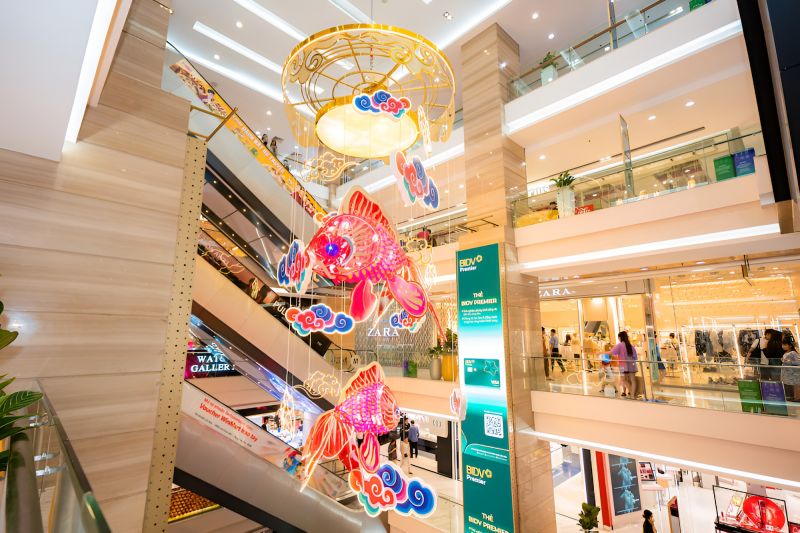
The 5 primary shopping malls in Ho Chi Minh City are Vincom Center, Saigon Centre, Diamond Plaza, Crescent Mall, and Aeon Mall Binh Tan — each offering air-conditioned, fixed-price retail as a contrast to traditional markets like Ben Thanh. Each mall is evaluated below by location, specialty, operating hours, and specific relevance to Indian tourists.
| Mall | District & Address | Specialty | Opening Hours | Price Range | India-Relevant Note |
|---|---|---|---|---|---|
| Vincom Center | District 1, Le Thanh Ton St. | International brands (Zara, H&M, Mango) + supermarket floor | 9:30 AM–10:00 PM | ₹1,500–₹8,000 | Cosmetics ₹800–₹3,500 |
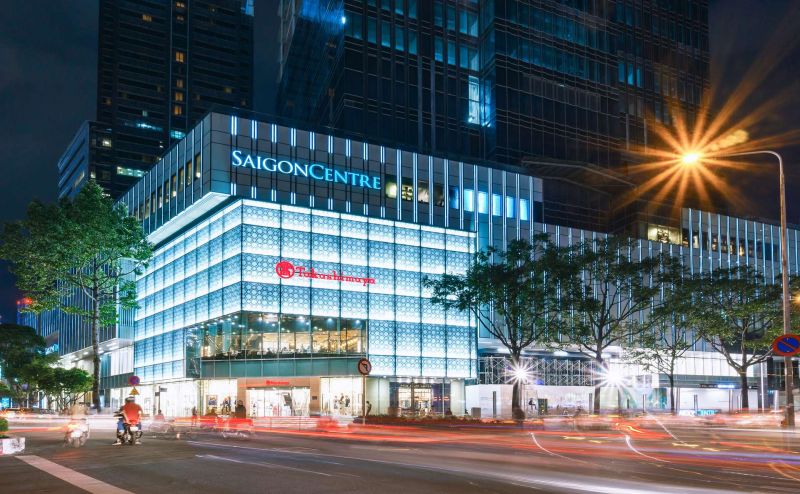
| Saigon Centre | District 1, Le Loi St. | Takashimaya anchor; luxury cosmetics floors 4–5; Japanese food court | 10:00 AM–10:00 PM | ₹2,000–₹15,000 | Japanese food court on basement level; luxury accessories section |
| Diamond Plaza | District 3, Pham Ngoc Thach St. | Multi-brand retail + multi-cuisine food hall (top floor) | 9:30 AM–10:00 PM | ₹1,500–₹8,000 | Adjacent to Notre Dame Cathedral; less crowded than Vincom |
| Crescent Mall | District 7, Ton Dat Tien St. | Family mall with cinema + indoor play area + food court | 10:00 AM–10:00 PM | ₹800–₹6,000 | 25 min from District 1 (taxi ₹200–₹280); best for families with children |
| Aeon Mall Binh Tan | District 6, Kinh Duong Vuong St. | Japanese hypermarkets; budget groceries + household goods | 9:00 AM–10:00 PM | ₹200–₹4,000 | Best for stocking packaged food; largest floor space in HCMC |
Which Saigon Mall Is Best for Indian Tourists?
Vincom Center District 1 is the best choice for first-time Indian visitors — it combines a central location (10-minute walk from Ben Thanh), wide variety across 6 floors, card payment acceptance, and a price range of ₹1,500–₹8,000 that suits mid-range Indian shopping budgets.
Ho Chi Minh City Souvenirs and Handicrafts: 10 Items to Buy and How Much to Pay
The top 3 most-bought souvenirs by Indian travelers in Ho Chi Minh City are Vietnamese coffee with phin filter (₹379–₹1,200), lacquerware bowls (₹345–₹3,571), and silk scarves (₹1,429–₹3,571) — combining customs compliance, portability, and price advantage over Indian retail.
The 10 souvenir and handicraft categories below are ranked by purchase priority for Indian tourists, based on customs compliance, portability, and value relative to Indian retail pricing:
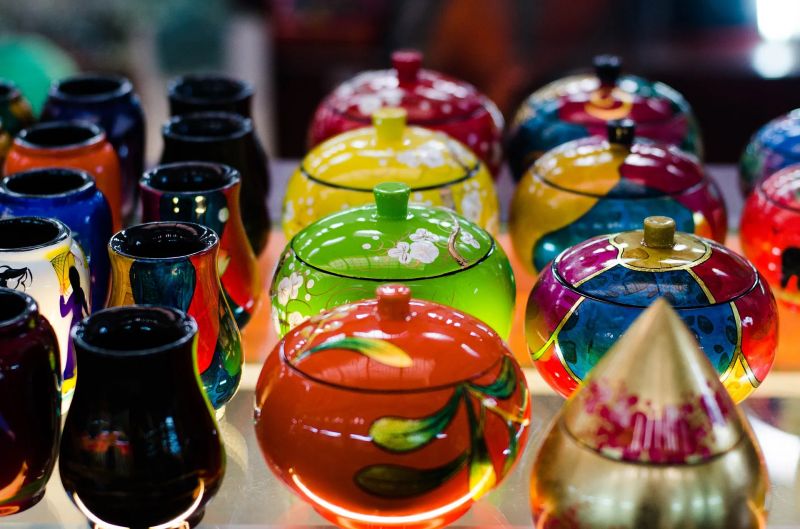
- Lacquerware bowls and trays — ₹357–₹3,571 (100,000–1,000,000 VND) — Ben Thanh Market stalls and Dong Khoi boutiques. Hand-applied resin finish; declaration-free for Indian customs below ₹10,000 single-item value.
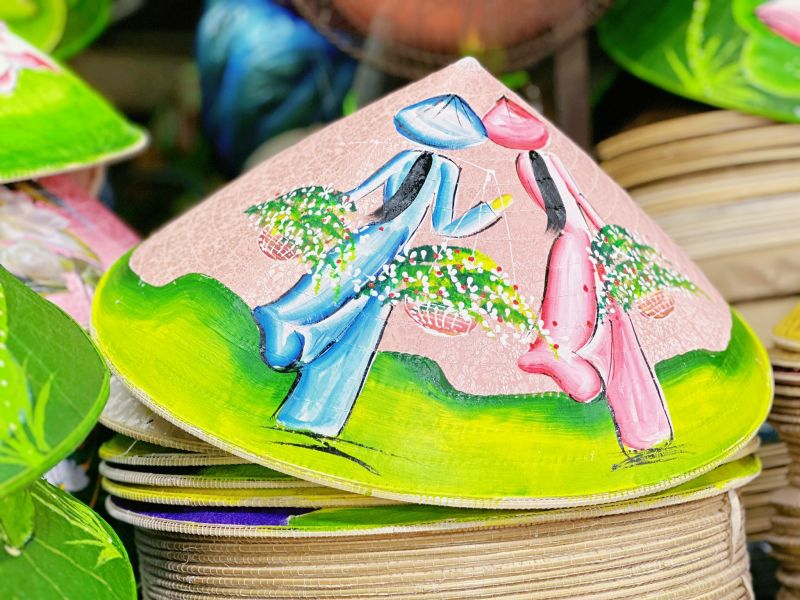
- Non La (conical hat) — ₹178–₹714 (50,000–200,000 VND) — Ben Thanh and An Dong Market. Decorative souvenir; flat-packable versions available for easy luggage transport.
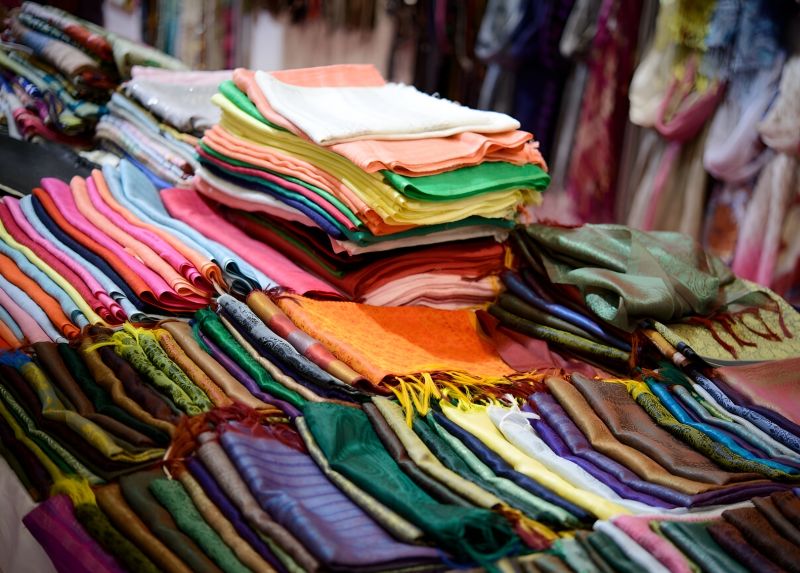
- Vietnamese silk scarves — ₹1,429–₹3,571 (400,000–1,000,000 VND) — Ben Thanh inner stalls and Cholon silk lane. Burn test before buying: genuine silk chars, synthetics melt.
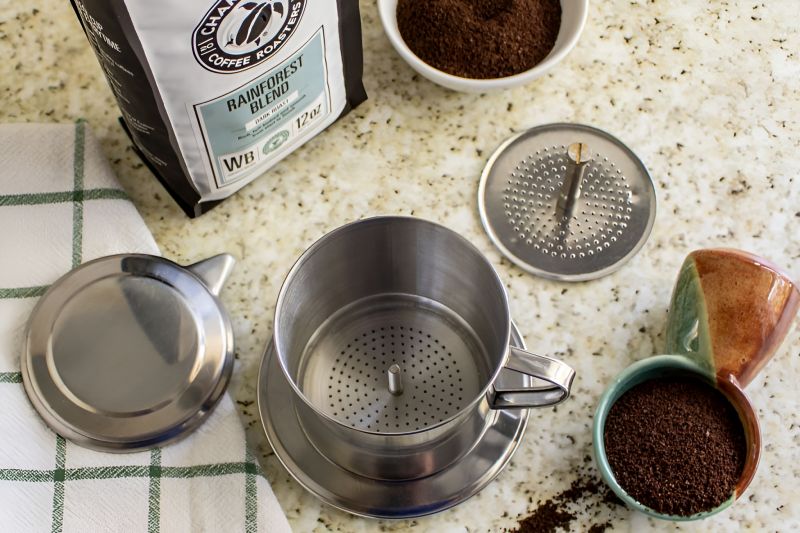
- Vietnamese coffee and phin filter set — ₹379–₹1,200 — Ben Thanh and any Co.opMart supermarket. G7 instant or Trung Nguyen ground; phin filter is a packable gift item.
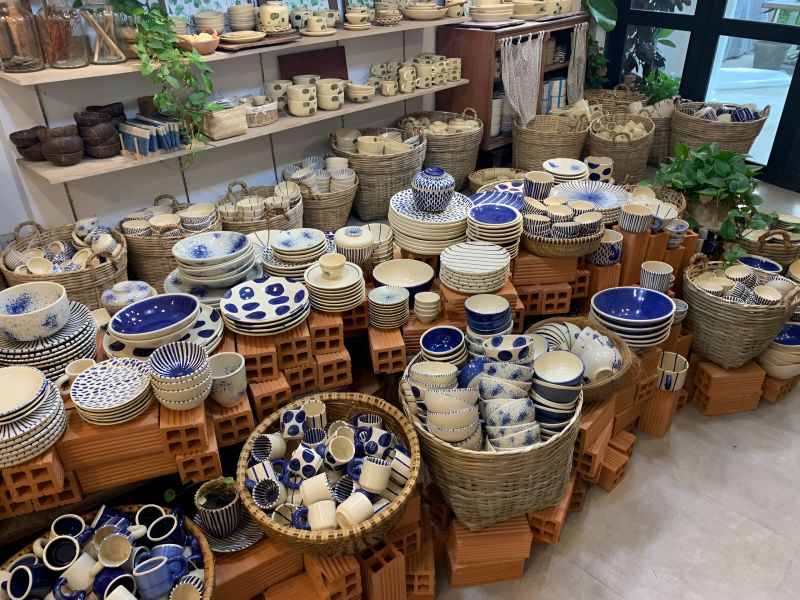
- Handpainted ceramics — ₹250–₹2,000 — Dong Khoi boutiques and Binh Tay Market. Blue-and-white patterns resemble Jaipur blue pottery in aesthetic.
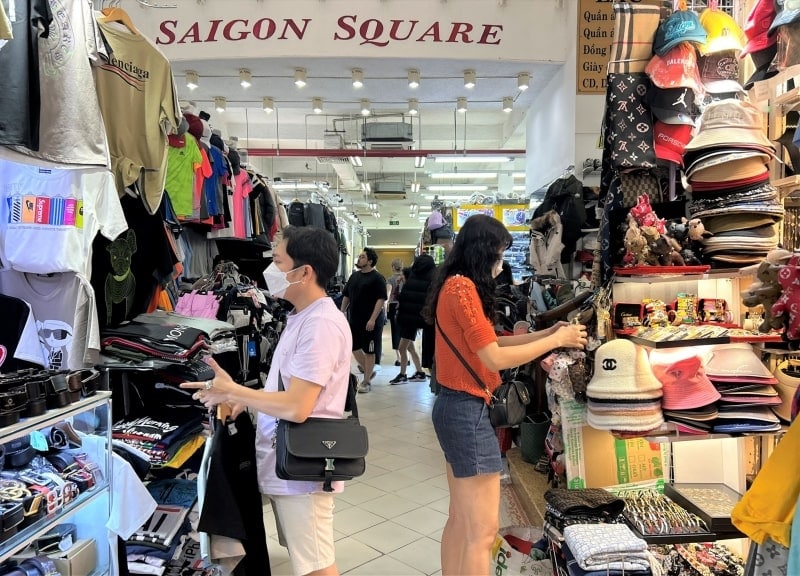
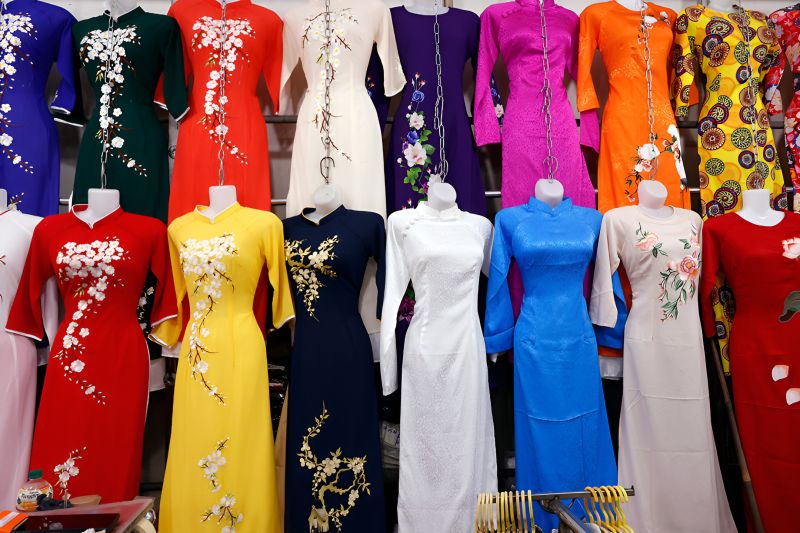
- Ao dai (ready-made) — ₹1,071–₹2,857 (300,000–800,000 VND) — Ben Thanh and Saigon Square. Sizes run small versus Indian sizing — try before buying or request custom tailoring.
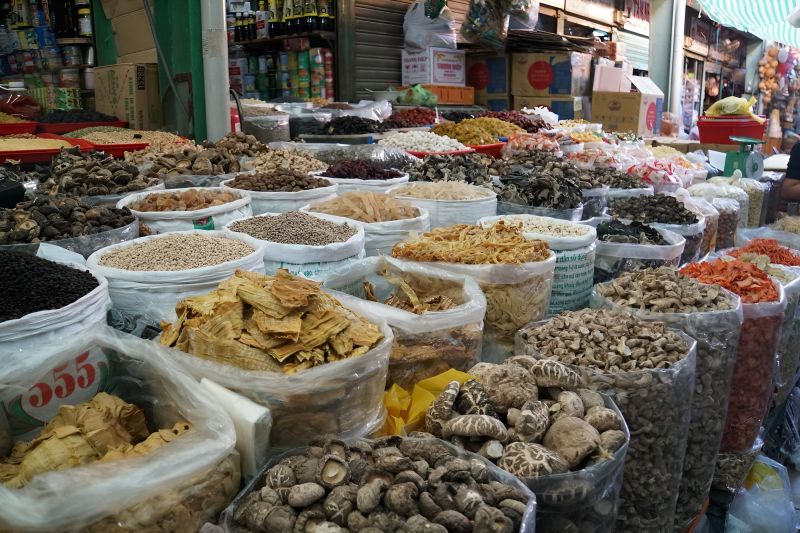
- Dried spices: star anise, cinnamon, Phu Quoc pepper — ₹100–₹400 — Ben Thanh spice section and Binh Tay Market. Customs-compliant for India in sealed packaging.
- Embroidered tablecloths — ₹600–₹3,000 — Dong Khoi Street boutiques and Ben Thanh upper floor. Popular with Indian homemakers; fits standard Indian dining table dimensions.
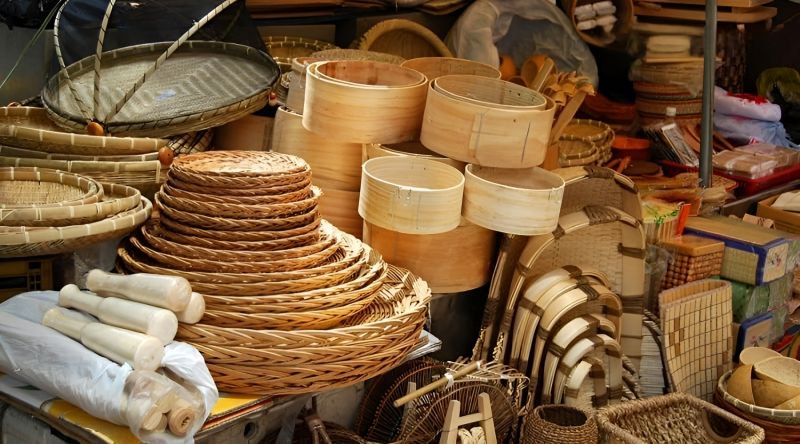
- Woven bamboo items: baskets and serving trays — ₹200–₹800 — Binh Tay Market wholesale section. Lightweight and stackable for checked luggage.
- Hand-carved wooden figurines — ₹300–₹2,500 — Dong Khoi galleries and An Dong Market. Wrap in clothing layers rather than buying bubble wrap at market price.
Bargaining Tips for Ho Chi Minh City Markets: How to Get the Best Price as an Indian Tourist
Mr. Anthony, Cofounder of Vietnamtour.in, confirms that Ho Chi Minh City’s market bargaining dynamic is directly comparable to Delhi’s Sadar Bazaar.
The 5 specific tactics below consistently produce better prices in HCMC markets:
- Opening counter-offer: Based on Vietnamtour.in’s data from 428,000+ Indian tourists, the ‘walk-away’ trigger activates a lower price in 80% of bargaining cases, once the buyer reaches 50–60% of the original quote.
- Bulk discount: Buying 3 or more units of the same item type unlocks a 15–20% additional discount beyond the already-negotiated single-item price. State the quantity before negotiating the unit price.
- Morning timing (before 9:00 AM): The first sale of the day carries superstitious significance for Vietnamese vendors — they are measurably more flexible on price before 9:00 AM to secure the day’s opening transaction.
- Cash in VND: Paying in Vietnamese Dong reduces the conversion markup by 5–8% versus paying in USD or asking for a USD-quoted price. Carry small VND denominations — 10,000, 20,000, and 50,000 notes — for market transactions.
- Neutral inspection: Inspect items without showing visible enthusiasm before price discussion begins. Expressing interest before asking the price removes the vendor’s incentive to open competitively.
Is Bargaining Rude in Ho Chi Minh City Markets?
No — bargaining is expected and culturally respected in all open-air markets in Ho Chi Minh City. It is only inappropriate in shopping malls, fixed-price boutiques, and restaurants. Attempting to bargain at Vincom Center or Saigon Centre creates confusion; the same approach at Ben Thanh or Binh Tay is entirely standard.
How Much Can Indian Tourists Negotiate at Ben Thanh Market?
Indian tourists can negotiate Ben Thanh Market prices down by 40–60% from the initial quoted price. A ₹600 quoted item typically sells for ₹250–₹350 after 2–3 rounds of negotiation. The floor price — below which vendors will not go — is approximately 35–40% of the opening quote in most product categories.
Silk and Ao Dai Shopping in Ho Chi Minh City: Where to Buy, Tailoring Time, and Prices
Ho Chi Minh City’s silk and ao dai market operates across 3 tiers — ready-made at market stalls, custom-tailored at boutique districts, and fabric by the meter at Cholon wholesale lanes — each suited to a different buyer profile and travel timeline.
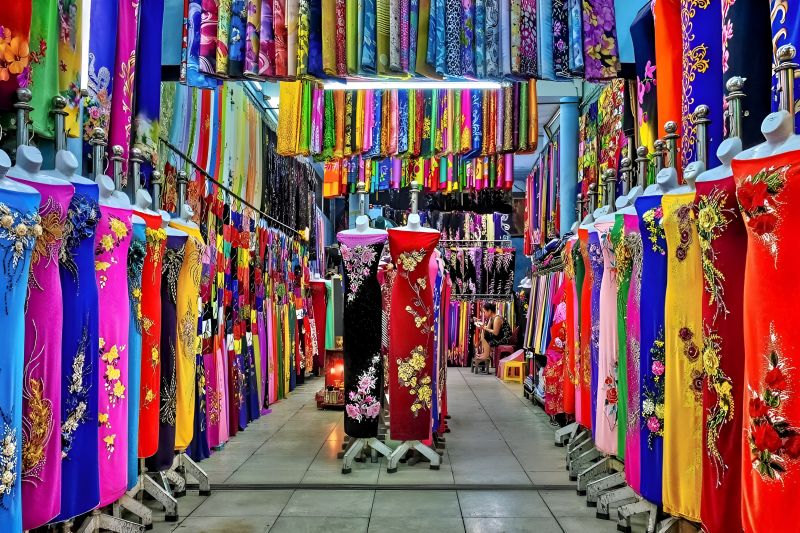
Tier 1 — Ready-Made Ao Dai at Ben Thanh Market
Price range ₹1,200–₹3,000. No wait time — same-day purchase. The primary limitation of ready-made ao dai at Ben Thanh Market is that Vietnamese sizing typically runs two sizes smaller than equivalent Indian garment sizing. Vietnamtour.in recommends that Indian travelers always try the garment on, or specify exact measurements for custom orders.
Tier 2 — Tailored Ao Dai at District 1 and Binh Thanh Boutique Tailors
- Budget tailors (near Ben Thanh, around Binh Tay area): ₹1,079–₹4,150 (~$13–$50 USD).
- Mid-range boutique tailors in District 1: ₹4,150–₹8,300 (~$50–$100 USD).
- Standard turnaround: 24–72 hours.
For Indian travelers on a 5-day Ho Chi Minh City itinerary, the correct sequence is: Day 1 fitting and fabric selection → Day 3 pickup and try-on → Day 4 final adjustment collection. HCMC tailors are experienced with Indian customer measurements; specify all measurements in centimeters and request a fitting session on Day 1 to allow adjustment time before final pickup.
Tier 3 — Silk Fabric by Meter at Cholon (District 5 / Soai Kinh Lam)
Price range ₹179–₹1,786 per meter (50,000–500,000 VND/m), depending on quality — from basic cotton blends to premium silk. Minimum purchase varies by vendor; most wholesale stalls prefer 2+ meters per item. Cholon’s fabric markets (Soai Kinh Lam, An Dong, and the lanes around Binh Tay) are the primary destination for Indian travelers buying Vietnamese fabric to have sarees or blouses stitched by their tailor in India.
Is Vietnamese Silk Better Than Indian Silk?
When shopping in Ho Chi Minh City, Indian travelers should note that Vietnamese silk and Indian silk serve different purposes: the lightweight Vietnamese variety (8–12 momme) is ideal for ao dai, while Indian Mysore silk (20–30 momme) is better for structured sarees. Indian travelers buying silk in HCMC for saree fabric should select heavier Vietnamese raw silk or dupion varieties from Cholon, not the lighter ao dai silk sold at Ben Thanh.
Does Tailoring in Ho Chi Minh City Fit Indian Body Types?
Yes — HCMC tailors are experienced with Indian customers and routinely produce garments for Indian travelers. Specify all measurements in centimeters, bring a reference garment for fit comparison if possible, and request a fitting on Day 1 to allow adjustment time before the scheduled pickup.
Beyond the central markets, malls, and tailoring tiers covered above, three additional shopping zones serve specialized buyer needs in Ho Chi Minh City — wholesale fabric, premium boutiques, and residential tailoring hubs.
3 More Shopping Zones in Ho Chi Minh City: Cholon, Dong Khoi, and Binh Thanh
Cholon (District 5) — Wholesale Prices for Fabric and Ceramics
Cholon is Ho Chi Minh City’s Chinese merchant district, located 15 minutes by taxi (5–8 km) from District 1 (fare ₹120–₹200). Shopping at Binh Tay Market in Cholon involves a trade-off: while prices are 20–30% lower than Ben Thanh Market, Indian travelers will find no English-speaking vendors, no tourist signage, and a purely wholesale transaction environment.
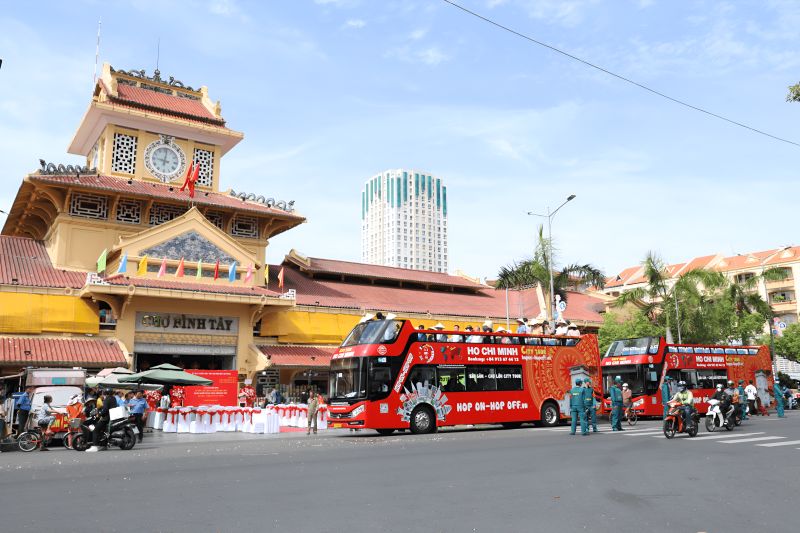
For Indian travelers, Cholon resembles Mumbai’s Mangaldas Market — wholesale fabric lanes organized by material type, the same pricing logic of bulk-first negotiation, and a completely local customer base. Specialties include silk and cotton fabric wholesale, traditional Chinese herbal medicine shops, handpainted ceramics, lacquerware in bulk, and household goods. Best time to visit: 8:00–11:00 AM before the wholesale crowd peaks.
Dong Khoi Street (District 1) — Boutiques and Lacquerware Showrooms
Dong Khoi Street is Ho Chi Minh City’s premium shopping corridor — an 800-meter stretch running south from the Opera House to the Saigon River. Dong Khoi Street houses art galleries (₹5,000–₹50,000 per piece), Vietnamese designer boutiques (₹3,000–₹15,000), and certified lacquerware showrooms (₹1,000–₹8,000).
Notable stores worth visiting: Saigon Kitsch (Vietnamese pop art gifts), Authentique Home (high-quality lacquerware and ceramics with authenticity certificates), and L’Usine (Vietnamese designer clothing and accessories in a café-gallery format).
Are Products on Dong Khoi Street Worth the Price?
Yes — items on Dong Khoi Street are certified handmade pieces with quality guarantees and VAT refund eligibility. The price premium over Ben Thanh is justified for lacquerware and ceramics where authenticity verification matters. For generic souvenirs and silk scarves, Ben Thanh remains the best value.
Binh Thanh District — Custom Ao Dai and Silk Garments
Binh Thanh District is Ho Chi Minh City’s residential tailoring hub, located 15 minutes from District 1 (6 km) by taxi (fare ₹150–₹200). Tailoring costs in Binh Thanh run 30–40% lower than the equivalent Dong Khoi boutique pricing for the same garment specifications. Binh Thanh District is recommended for Indian travelers on extended stays of 7 days or more, or for those purchasing ao dai or custom garments in bulk for family members back in India. The minimum turnaround is 48 hours; complex garments require 3–4 days.
How Much Should an Indian Traveler Budget for Shopping in Ho Chi Minh City?
Ho Chi Minh City shopping budgets for Indian travelers are divided into 3 tiers based on destination type and purchase category:
- Budget shopper (₹5,000–₹10,000 total): Ben Thanh Market souvenirs, dried spices, Vietnamese coffee packs, silk scarves, and conical hats. No mall visits, no tailoring.
- Mid-range shopper (₹15,000–₹30,000 total): 1 tailored ao dai, 2–3 silk items, a lacquerware set, handicrafts, and 1 mall visit at Vincom Center for branded cosmetics.
- Premium shopper (₹40,000–₹80,000+): Designer boutique purchases on Dong Khoi, original artwork from galleries, multiple tailored garments, luxury silk fabric from Cholon, and certified lacquerware panels.
Indian travelers who purchase goods worth ₹25,000 or more at qualifying VAT-registered stores are eligible for Vietnam’s VAT refund, recovering 5–10% of the purchase cost at Tan Son Nhat Airport’s International Departure Hall before flying home.
Indian travelers planning their full Ho Chi Minh City shopping budget should also review the complete Ho Chi Minh City travel guide for district-by-district transport costs and navigation between shopping zones.
Tax Refund and Duty-Free Shopping in Ho Chi Minh City for Indian Travelers
Indian passport holders can recover 10% VAT (up to ₹2,500 on a ₹25,000 purchase) at Tan Son Nhat Airport’s VAT Refund Counter, on any single-store purchase of VND 2,000,000 (~₹7,200) or more from a Vietnam Tax Refund-registered store, per Vietnam Tax Department Circular 72/2014 (the legal basis for VAT refund to foreign tourists).
Who Is Eligible for VAT Refund in Vietnam?
Indian passport holders who purchase a minimum of VND 2,000,000 (approximately ₹7,200) at a single VAT-registered store in one day are eligible for a 10% VAT refund at Tan Son Nhat Airport. The purchase must be made within 60 days of the departure date, and goods must remain unopened and unused at the time of customs inspection.
Which Stores in Ho Chi Minh City Offer VAT Refund?
Stores displaying the ‘Vietnam Tax Refund’ logo process VAT refund paperwork at the point of sale. These stores are located on Dong Khoi Street, inside Vincom Center (District 1), and inside Saigon Centre. The store completes the VAT form at checkout — the traveler retains the form and original receipt for airport presentation. VAT refund applies to purchases at designated stores across HCMC’s main markets. Indian travelers shopping across multiple markets in Ho Chi Minh City can consolidate receipts for a single refund claim at the airport. The complete guide to markets in Ho Chi Minh City lists all VAT-registered market vendors by district.
How to Claim VAT Refund at Tan Son Nhat Airport?
To claim a VAT refund, present original receipts, complete VAT forms (issued by the store at purchase), and unopened goods at the VAT Refund Counter in the International Departure Hall at Tan Son Nhat Airport. Arrive at the counter at least 2 hours before the scheduled flight departure — the refund process takes 15–20 minutes and requires physical inspection of goods.
Is There a Duty-Free Shop at Ho Chi Minh City Airport?
Yes — Tan Son Nhat International Terminal operates a 2,000 square meter duty-free zone managed by Saigon Duty Free, stocking cosmetics, alcohol, tobacco, Vietnamese coffee gift sets, and specialty food items. Prices at airport duty-free run 10–20% higher than equivalent city supermarket pricing for Vietnamese products, but are appropriate for last-minute gift purchases.
Ho Chi Minh City Shopping by District — Quick Reference
| Zone | Best For | Price Level | From District 1 |
|---|---|---|---|
| District 1 — Ben Thanh | Souvenirs, silk, ao dai, lacquerware | ₹150–₹3,000 | Base |
| District 1 — Dong Khoi | Boutiques, art, premium lacquerware | ₹1,000–₹50,000 | Base |
| District 3 — Diamond Plaza | International brands, food court | ₹1,500–₹8,000 | +10 min |
| District 5 — Cholon/Binh Tay | Wholesale fabric, ceramics, spices | ₹60–₹2,500 | +15 min |
| District 6 — Aeon Mall | Hypermarket, budget clothing, groceries | ₹200–₹4,000 | +20 min |
| District 7 — Crescent Mall | Family mall, cinema, F&B | ₹800–₹6,000 | +25 min |
Is Ho Chi Minh City or Hoi An Better for Tailored Clothing?
Hoi An offers superior tailoring specialization with 50+ dedicated shops concentrated in the Ancient Town; Ho Chi Minh City offers faster turnaround timelines and greater price competition across a wider city footprint. Indian travelers on tight 3–4 day HCMC itineraries choose HCMC tailoring for same-city convenience. Indian travelers with Hoi An on their itinerary benefit from using Hoi An’s specialist tailors for garments requiring higher precision. The complete Ben Thanh Market guide covers vendor maps, night market hours, and section-by-section product guides for the market most relevant to this comparison.
What Cannot Be Purchased or Brought Back to India from Ho Chi Minh City?
After identifying what to buy across Ben Thanh, Dong Khoi, Cholon, and the malls, Indian customs restricts or prohibits 4 product categories that appear in Ho Chi Minh City’s tourist shopping zones — awareness before purchasing prevents confiscation at Indian airports.
The 4 restricted and prohibited item categories when shopping in Ho Chi Minh City are:
- Antiques (items 100+ years old): Require a Vietnamese Cultural Ministry export license before purchasing — without this documentation, Indian customs can confiscate the item on arrival. Verify the item’s age and request export documentation from the seller before paying.
- Wildlife products: Ivory, coral, tortoiseshell, and animal skin items are illegal under India’s Wildlife (Protection) Act 1972, regardless of where purchased. Vietnamese tourist markets stock decorative items in these materials — do not purchase them.
- Electronics above ₹10,000 per item: Must be declared at Indian customs on arrival and may attract import duty per CBIC Baggage Rules 2016. The ₹50,000 total duty-free allowance for adult Indian travelers covers all goods combined.
- Safe and unrestricted: Lacquerware, silk fabric, ao dai, clothing, handicrafts, dried food, and packaged coffee are completely unrestricted for import into India with no quantity limits.
Based on Vietnamtour.in’s experience serving 428,000+ Indian tourists and operating 46,000+ tours since 2015, the 5 common purchasing mistakes Indian travelers make in Ho Chi Minh City are listed below. According to Mr. Max Nguyen, Vietnamtour.in’s Director of Sales with 10+ years of expertise, avoiding these traps saves travelers up to 40–60% in inflated costs:
- Paying in USD: Travelers lose 5–8% on exchange markups; always pay in Vietnamese Dong (VND).
- Shopping near tourist bus stops: Prices at vendors positioned within 50 meters of major tourist bus stops are 40–60% inflated versus the same items available 2 streets away. Walk one block off the main tourist path before engaging vendors.
- Buying electronics at street markets: Street-market electronics carry no warranty, have high counterfeit rates, and risk customs confiscation at Indian airports. Purchase electronics only from certified retailers with official receipts. Indian travelers can read the complete scams guide before their trip to avoid all common tourist traps.
- Not confirming the tailoring timeline in writing: A common mistake for Indian tourists is not confirming the tailoring timeline in writing at Ho Chi Minh City boutiques. Vietnamtour.in’s experts recommend that Indian tourists always insist on a written pickup date and the vendor’s contact number before paying a deposit for any custom garments.
- Carrying only cards: The majority of HCMC street markets, Ben Thanh stalls, and Cholon vendors operate as cash-only. Carry the VND equivalent of ₹3,000–₹5,000 per shopping day in small denominations.
Conclusion
Ho Chi Minh City offers Indian travelers a well-balanced mix of traditional markets, modern malls, and specialized districts, all within a single, easy-to-navigate city. With price advantages of 30–50% compared to India and a wide range of products — from coffee and spices to silk and tailored clothing — the city delivers strong value across every budget level.
Indian travelers who want guided shopping experiences as part of their itinerary — including curated market visits and tailoring appointments — can explore Vietnam tour packages that include Ho Chi Minh City shopping stops. Ho Chi Minh City offers Indian travelers more shopping zones (8), wider price ranges (₹50–₹50,000), and faster tailoring turnaround (24–72 hours) than any single city in Vietnam — making it a primary shopping destination on multi-city itineraries.