
Hanoi’s French Quarter is characterized by colonial-style buildings with elegant facades and tree-lined roads. Composed of numerous recognizable buildings and cafes, the streets of this area are filled with culture and architectural history and give visitors a glimpse into old Hanoi.
Introduction To The French Quarter Hanoi
Located in the southern region of Hoan Kiem District, the French Quarter of Hanoi is an important historic District in the Capital of Vietnam, famous for its beautiful tree-lined avenues and stunning examples of colonial architecture and the fusion of French with Vietnamese culture. During the late 1800s and early 1900s, French colonial city planners transferred the shape of the majority of buildings in the Thanh Hoa region of Hanoi. Visitors can walk on beautiful, wide sidewalks that are lined with large trees and enjoy the beauty of recognizable buildings, such as the Hanoi Opera House, which epitomizes the architectural richness of Hanoi, as well as its cultural diversity.
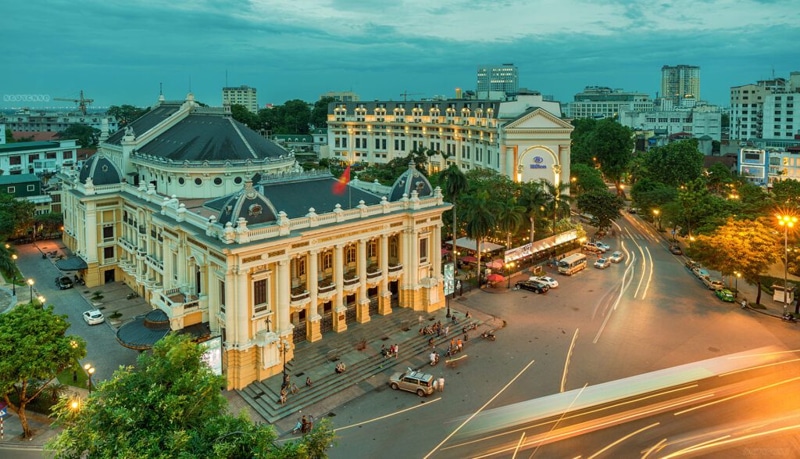
Travelers adore exploring the French Quarter because it presents a unique contrast to Hanoi’s busy Old Quarter. The quarter brings together colonial landmarks, green spaces, upscale cafes, and international eateries, as well as Vietnamese street food joints, creating a relaxed yet cosmopolitan atmosphere. The French Quarter presents a blend of Hanoi’s history, as encapsulated in the city’s museums, landmarks, shopping streets, and cultural experiences, which makes it welcoming for travelers who wish to travel back in time while exploring modern city life as experienced in this Southeast Asian city.
History Of The French Quarter Hanoi
The French Quarter in Hanoi, also referred to as the Western Quarter, started emerging toward the end of the 19th and early 20th centuries, during which the French destroyed some of the old Hanoi citadel to construct a new administrative and cultural zone for the whole of Indochina. The first streets, such as Trang Tien, Hang Khay, and Trang Thi, were created first, and then gradually, a whole district emerged. The French architectural style emerged officially after the creation of the Hanoi concession near the Red River in 1875.
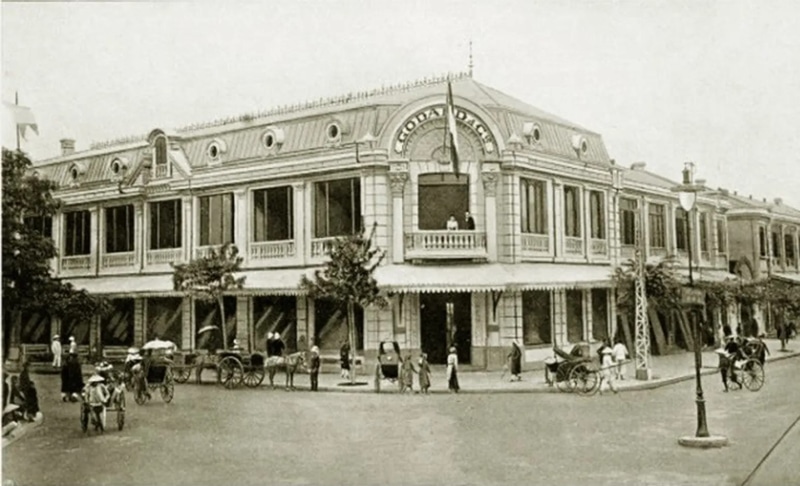
While French colonial architecture in Hanoi traces its roots as far back as 1803, with King Gia Long ordering the reconstruction of Hanoi in the Vauban style under the supervision of French military engineers, it is generally recognized that the quarter as it exists today came into being largely after 1875. As a result of this period in history, iconic colonial structures were built within a wide area of Hanoi itself that continue to preserve their original artistic elements and building traditions to date.
Top 5 Iconic Attractions In The French Quarter Hanoi
The French Quarter is home to everything from grand theaters to poignant historical museums; there is something in the French Quarter for every kind of traveler, whether you are interested in history, architecture, art, or simply taking a stroll through the beautifully preserved streets of the Quarter.” Some of the top iconic attractions a tourist should not miss include:
Hanoi Opera House
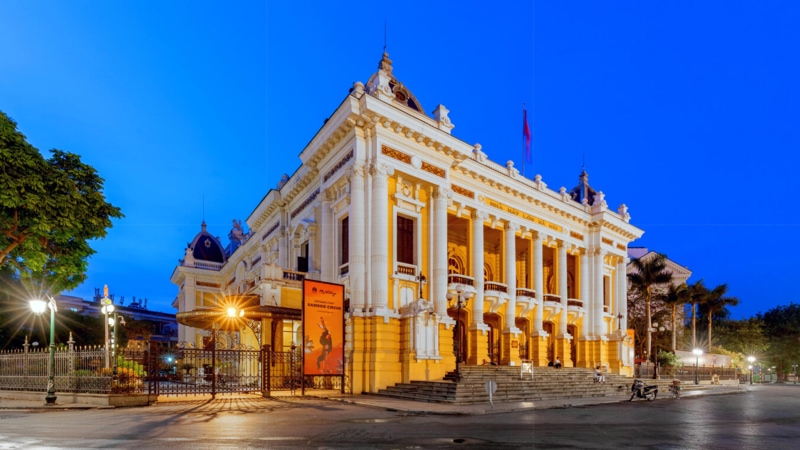
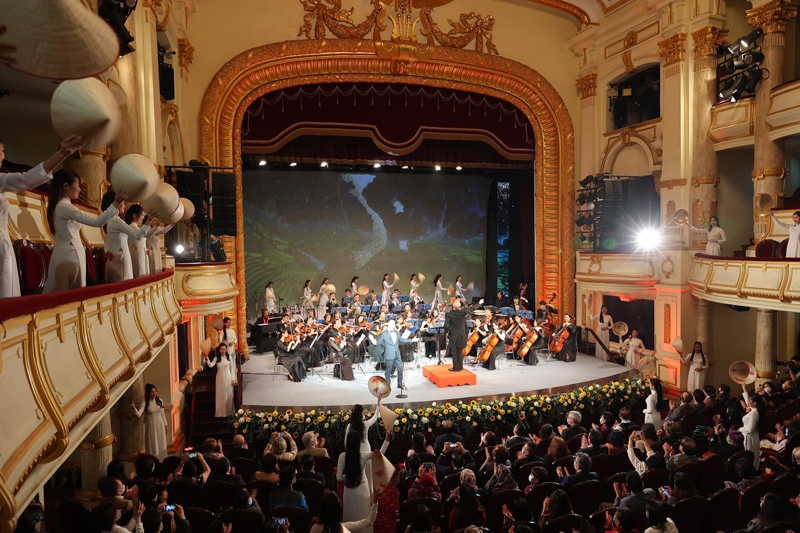
Situated at No. 01 Trang Thi, the Opera House in Hanoi is one of the most captivating buildings in the French Quarter. Its architecture, which symbolically resembles that of the Opera House in Paris and Greek architecture, also has a distinct Indochine feature, thanks to its yellow hue. It operates from 10:30 AM to 12:30 PM and features performances like classical performances, Vietnamese music performances, folk concerts, press events, and national events. It charges VND 400,000 to VND 2,000,000 ~ 1361.44 – 6807.20 INR, with a 50% discount provided for students. Visiting the Opera House not only gives tourists the chance to explore its architecture, but they also get to tour the vibrant culture of Vietnam.
Hoa Lo Prison
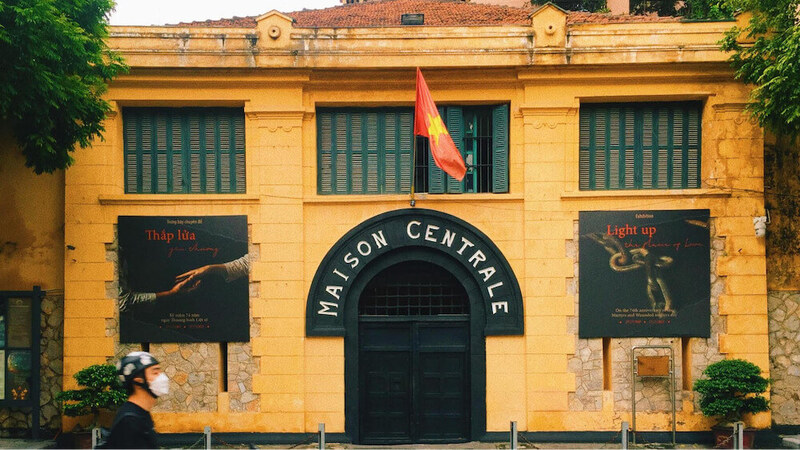
Reputedly nicknamed “Hell on Earth,” the Hoa Lo Prison at 01 Hoa Lo Prison in the French Quarter Hanoi is a must-see for those interested in the historical legacy of the region. Constructed by French colonial powers in 1886, this prison served to house numerous imprisoned Vietnamese revolutionaries, as well as American POWs, during the Vietnam War.
Its operating hours stretch from 8:00 AM to 5:00 PM, priced at VND 50,000 ~ 170.18 INR for adult admission, VND 25,000 ~ 85.09 INR for students and seniors, respectively. Displays related to whips, prison chains, and other equipment used by the captives offer viewers an insight into the brutality that occurred here.
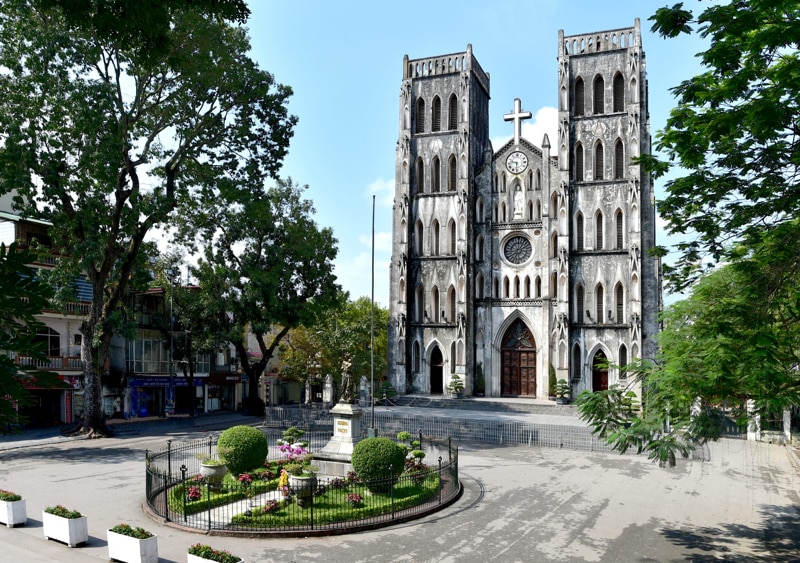
St. Joseph’s Cathedral
Located at No. 40 Nha Chung, St. Joseph’s Cathedral in Hanoi is the oldest church in the city and a work of art in the Neo-Gothic style, modeled on Paris’ Notre Dame Cathedral. Visitors are allowed at all times to admire its exterior architecture, which has stained-glass windows, Gothic arches, and two 31.5-meter-tall bell towers. Visits on weekends when the Catholics hold their services enable tourists to view the baptismal ceremonies and washing sessions amidst the peaceful atmosphere. This church can be visited for free.
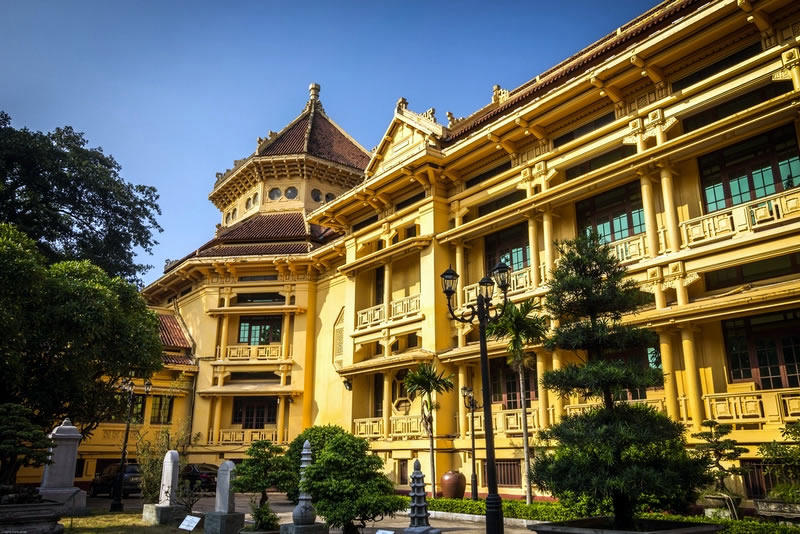
Vietnam National Museum of History
Located at No.216 Tran Quang Khai and No.01 Trang Tien, this is a historical and cultural museum that highlights the rich history of Vietnam. The museum is open daily from 8:00 AM-12:00 PM and then from 1:30 PM to 5:00 PM. Admission fees are just VND 40,000 ~ 136.14 INR for adults, while children younger than six years old get to enjoy free entrance. With a total of almost 7,000 artifacts, the museum showcases relics of the Champa culture, prehistoric ceramics, and relics from the Ly and Nguyen Dynasties.
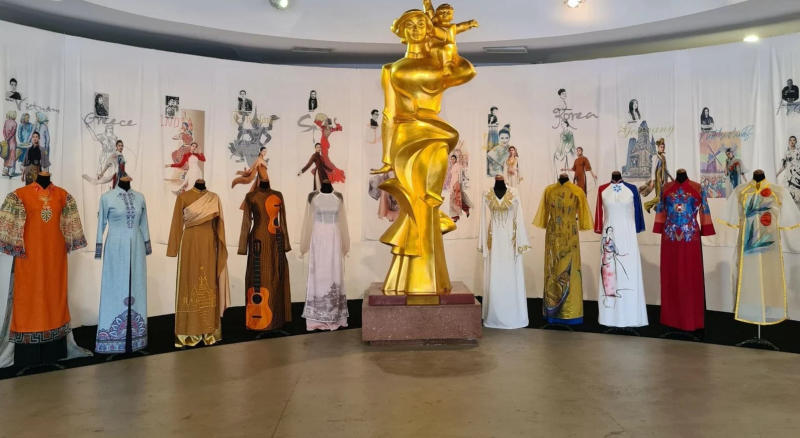
Vietnamese Women’s Museum
The Vietnamese Women’s Museum on No. 36 Ly Thuong Kiet Street recognizes the cultural and historical achievements of women in Vietnam. This museum is open daily from 8:00 AM to 5:00 PM. The entrance fee to this museum costs only VND 40,000 ~ 136.14 INR for an adult.
This museum focuses on the significance of women in Vietnam, who belong to all 54 ethnic groups in Vietnam. It also portrays its strength through artifacts, pictures, and exhibitions that have been created to showcase its influence on Vietnam. This museum will provide an enlightening insight into Vietnam’s social culture beyond its common tourist attractions.
5 Unforgettable Experiences You Shouldn’t Miss in French Quarter Hanoi
The French Quarter in Hanoi offers rich cultural experiences in Hanoi that are not only visually stimulating but also serve as a medium through which visitors are able to enjoy the delights of Hanoi’s architectural splendour, the flavours of its culinary offerings, and its dynamic street culture.
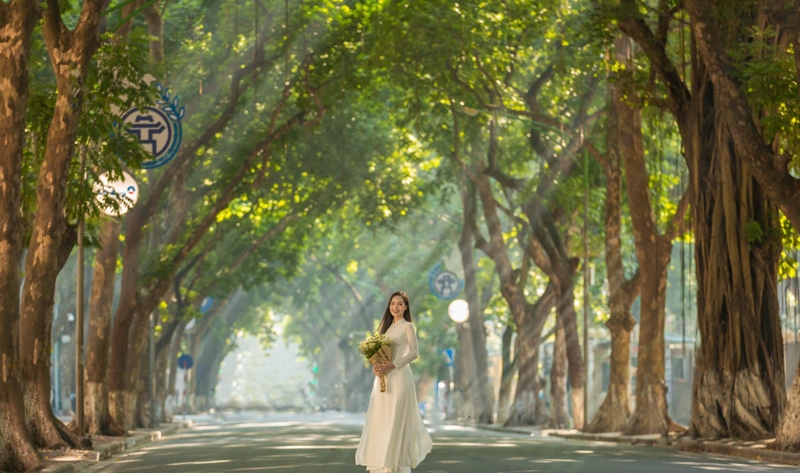
Stroll Around the Tree-Lined Boulevards
Taking a walk down tree-lined boulevards is one of the best ways to soak up the atmosphere of the French Quarter Hanoi, as you will find many of these boulevards to have some of the most intricate, colonial-style architecture from the French era (Trang Tien, Tran Hung Dao, Phan Dinh Phung) along with many of the area’s most beautiful colonial-style homes, such as villas or those beautiful yellow-painted buildings.
You can stroll down the tree-lined boulevards and take in the unique combination of French designs with the characteristics and elements of Vietnamese culture while taking a moment to relax in the calm, elegant atmosphere of the area. Additionally, the tree-lined boulevards provide numerous opportunities for stunning photographs, especially in the early morning or late afternoon hours, when the sunlight casts a soft, warm glow across the street.
Visit the Hanoi Opera House
The Hanoi Opera House is an important monument in Hanoi and is a representation of the city’s history as a French colony. Its neoclassical architecture, based on the architecture of the Paris Opera House, has elaborate façades, columns, and intricate designs that appeal to those who appreciate architecture. Visitors can enjoy a performance of classical music or traditional Vietnamese music, or they can enjoy the exterior of this beautiful building. There are many cafés and small shops surrounding the Opera House where people can enjoy the busy street life of the city.
Explore St. Joseph’s Cathedral
Located in the heart of the French Quarter Hanoi, St. Joseph’s Cathedral is a neo-Gothic jewel that attracts many photographers, history buffs, and worshipers through its stunning twin bell towers, intricately designed pointed arches, and gorgeous stained-glass windows.
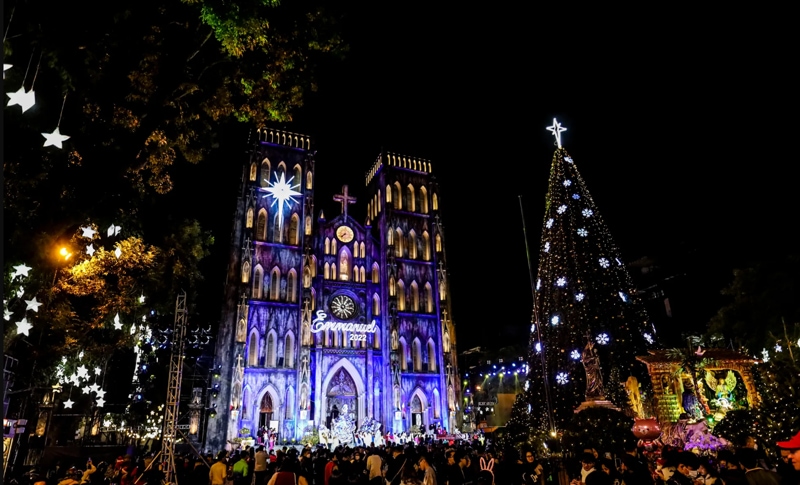
The interior is a peaceful place for contemplation, but also provides an opportunity to participate in a weekend service in the Catholic tradition, which will give one an even greater understanding of the local culture. Nearby cafés and shops also lend themselves to getting to know more about the city’s food and art offerings.
Discover Hoa Lo Prison Museum
The infamous “Hell on Earth” is a historical landmark located in the French Quarter. It was constructed by the French and later utilised throughout the war conducted in Vietnam, and has captured the essence of French colonial rule in Vietnam and the fight for freedom. As visitors find their way through the museum, they will be able to see preserved museum cells used to house prisoners, torture devices, etc. Guided tours are also available to help provide additional insights and cultivate an even deeper level of understanding.
Experience Local Cafés and Culinary Delights
To experience the true essence of the French Quarter, it is important to immerse yourself in its vibrant café culture. The cafes that line the streets are filled with history and offer a variety of different types of coffee from Vietnam as well as sweets, pastries, and traditional dishes.
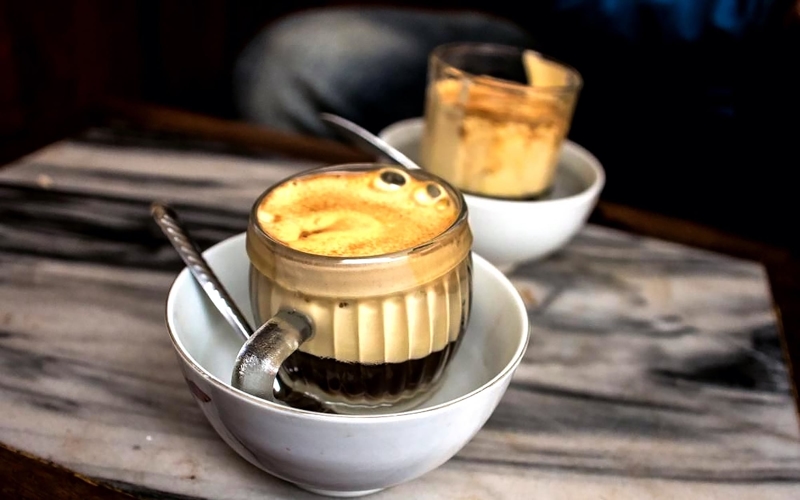
Visitors should be sure to try an egg coffee while enjoying views of the colonial-style streets, decorated with artwork, or sample local foods such as pho or bun cha in the cafés that create a comfortable atmosphere for eating. While these activities may give travelers a chance to rest and refresh themselves, they also allow visitors to better understand the daily life and food culture of Hanoi.
Enjoy Art Galleries and Boutique Shops
There are many galleries of art and boutiques with contemporary and traditional Vietnamese art in the French District (French Quarter). You will see many different forms of art (paintings, sculptures, and tried and true handicraft items) and can meet many of the artists from whom you purchase your unique souvenir items. Just taking a stroll through these businesses gives you intimate knowledge of the Cultural Heartbeat of Hanoi. Purchasing, regardless of where you purchase, helps to support and promote the craftsmanship of Vietnamese Artisans.
Entrance Fee
Visitors to the Hanoi French Quarter are welcome to enter and explore at no cost, as these are important cultural and commercial centres of Hanoi. The atmosphere of each area is vibrant, allowing visitors to walk through them freely, taking photos without paying any upfront entrance fees.
However, as with any other place you visit, if you decide to purchase something (street food, souvenirs, etc), you need to pay for those items directly to the vendor.
Opening Hours
Hanoi’s French Quarter is actually an open area rather than a singular attraction; therefore, there are no specific hours of operation. One can walk through the streets at any time to see the beautiful colonial-style architecture, tree-lined boulevards, and historical sites. Many shops, cafes, and heritage villas generally open between 8:00 and 9:00 in the morning, and will generally be open until around 10:00 and 11:00 PM, especially near Hoan Kiem Lake, the Opera House, and the Old Quarter.
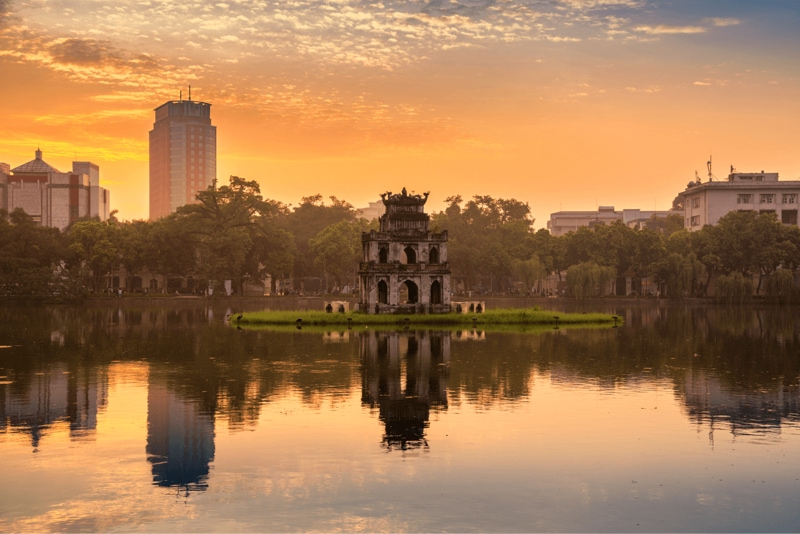
The best time to explore is either in the morning or the late afternoon, as this is when the sun casts a warm glow across the yellow buildings, offering great photo opportunities as well as a leisurely stroll. The dry season between October and April has the most pleasant weather for strolling through the streets and sitting outside at cafes.
Things To Know Before Traveling To The French Quarter Hanoi
If this is the first time you are coming to the French Quarter Hanoi, you will be equally delighted and frightened! As one of the iconic attractions in Hanoi, the streets are busy, and the people living here enjoy a lively existence. To ensure that your trip will be enjoyable and less challenging to navigate, please refer to the following tips:
-
When visiting the area, wear comfortable walking shoes because the best way to explore the streets is on foot. Also, a number of the attractions and sites you want to see can be found relatively close to one another.
-
It is always advisable to carry a small amount of cash in Vietnamese Dong. Some smaller shops and cafés will only accept cash, so keep that in mind when planning where you want to shop and eat.
-
Make sure to visit during the early morning hours or late afternoon to avoid the heat of the midday sun and to have better lighting for photo opportunities.
-
When visiting a religious site like St. Joseph’s Cathedral, please be respectful of local culture by dressing modestly and maintaining a quiet demeanor.
-
Take time to wander down the side streets, because there are a lot of hidden cafés, art galleries, and boutique shops to be discovered that are not located on the main streets.
-
If you want to sample local street food, be sure to find a popular stall that is clean, as that will help you avoid any problems associated with food.
-
Be sure to check the opening hours for places such as the museums and the Hanoi Opera House prior to visiting. The times can vary depending on what events are being held there.
-
When crossing the street, pay attention to the traffic, specifically the number of motorbikes and the erratic nature of their drivers.
-
Perhaps consider joining a guided walking tour in order to learn about the history and stories attached to the colonial architecture and famous sites around the area.
Final Thoughts: Is The French Quarter Hanoi Worth Visiting?
Travelers looking for a different perspective of Hanoi should check out the French Quarter Hanoi. This area features colonial-style buildings, boulevards, and many historic attractions that are different than what you find in the Old Quarter. Enjoy your time in this area by dining at upscale restaurants, visiting well-respected museums, and soaking up the views from chic coffee shops. When planning your travel, work with Vietnamtour.in, which can provide you with first-hand knowledge of this part of the world as well as suggestions on how to make your visit memorable.
