
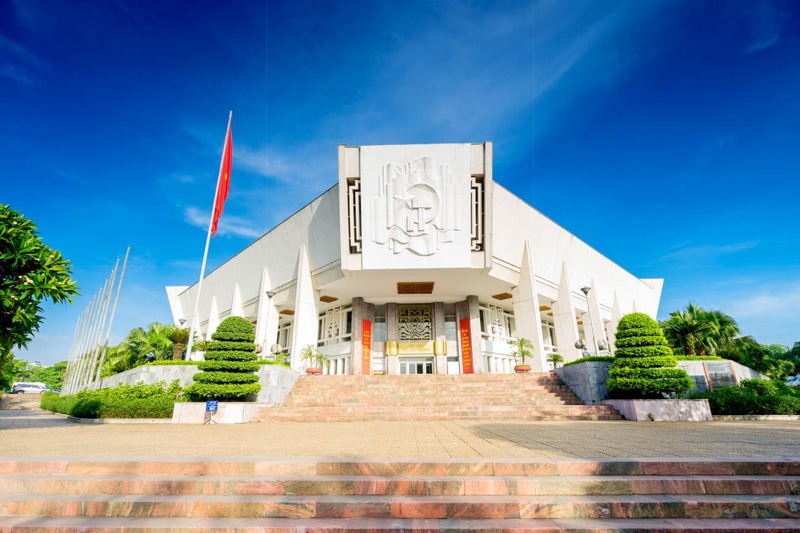
President Ho Chi Minh’s life, legacy, and revolutionary journey are all on display at the Ho Chi Minh Museum, a remarkable cultural landmark in Hanoi. Anyone interested in Vietnam’s history will find it to be an inspiring stop thanks to its insightful exhibits and priceless artifacts.
Introduction To The Ho Chi Minh Museum
The Ho Chi Minh Museum in Hanoi is an important historical landmark in the country that is committed to commemorating the life and works of Ho Chi Minh, one of the most iconic personalities in Vietnamese history. Right inside the Ho Chi Minh Museum, you will be able to find a well-structured historical timeline of the life of the celebrated Ho Chi Minh, ranging from his childhood to his work in the fight for independence in Vietnam and more. The Ho Chi Minh Museum offers an intensive historical experience of man and his life through photos, belongings, and multimedia exhibits.
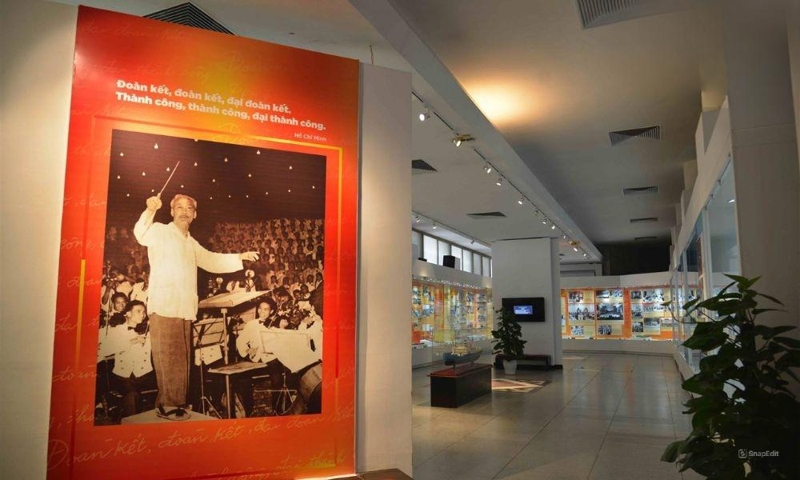
A visit to the Ho Chi Minh Museum is one of the most worthwhile sightseeing experiences in Hanoi. Whether you are a lover of historical experiences and the story behind the present Vietnamese experience, the Ho Chi Minh Museum has a great deal to impart to the visitor in terms of values and experiences imparted through its exhibits.
History Of The Ho Chi Minh Museum
Upon the death of President Ho Chi Minh in 1969, the Vietnamese Party and the Vietnamese people longed to commemorate his contribution through a memorial complex in the country. Based on this concept and vision, the Ho Chi Minh Mausoleum and the Ho Chi Minh Museum came to be constructed by the decision of the Politburo and the Central Committee of the country. The following year, in 1970, a special committee was established to search for documents and materials concerning the life and struggle of Ho Chi Minh to be a part of the Ho Chi Minh Museum, and the construction of the said project was officially approved by the Politburo in 1977.
The groundbreaking ceremony of the museum was conducted in 1985, to commemorate the 40th anniversary of the August Revolution and the National Day, in the hope of its completion in commemoration of the 100th birthday of Ho Chi Minh. The Ho Chi Minh Museum was officially opened on the historic site where Ho Chi Minh read the Declaration of Independence on the day of May 19, 1990. Though the construction period took only five years, preparation took almost two decades.
Presently, the museum has not only become a popular destination for tourists visiting Hanoi, but also a resourceful site for historical researchers. The management has been continually gathering information and artifacts from Vietnam and across the world to provide informative aspects concerning the life of President Ho Chi Minh.
Unique Architecture Of The Ho Chi Minh Museum
The Ho Chi Minh Museum is distinctive in its bold geometric square architecture, representing a budding white lotus flower, a mark of its purity and simplicity, and a favorite symbol of President Ho Chi Minh. The fact that the structure is erected in the historical district of Ba Dinh brings it a sense of culture and gravity through the gardens and ponds that surround it.
First Floor
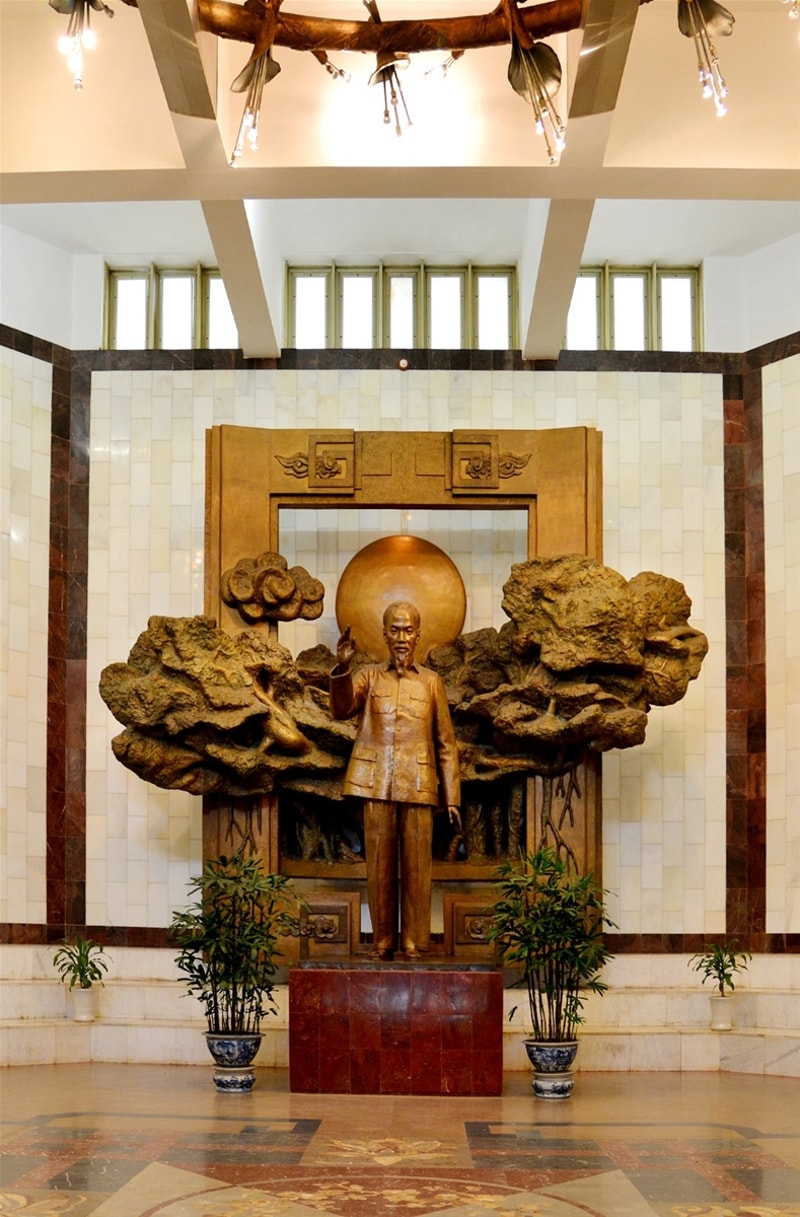
The ground floor offers insight into the life and heritage of President Ho Chi Minh in a variety of ways, with the first one being the magnificent portrait made of brass, strategically situated at the entrance of the ground floor.
This section consists of nine themed sections, giving insight into the early life of Ho Chi Minh, his journey to save the nation, his engagement in the revolution, historical events, and his efforts in the formation of the Communist Party of Vietnam and its effect on Vietnamese independence and development based on the teachings of Ho Chi Minh through various artifacts and documentary films.
Second Floor
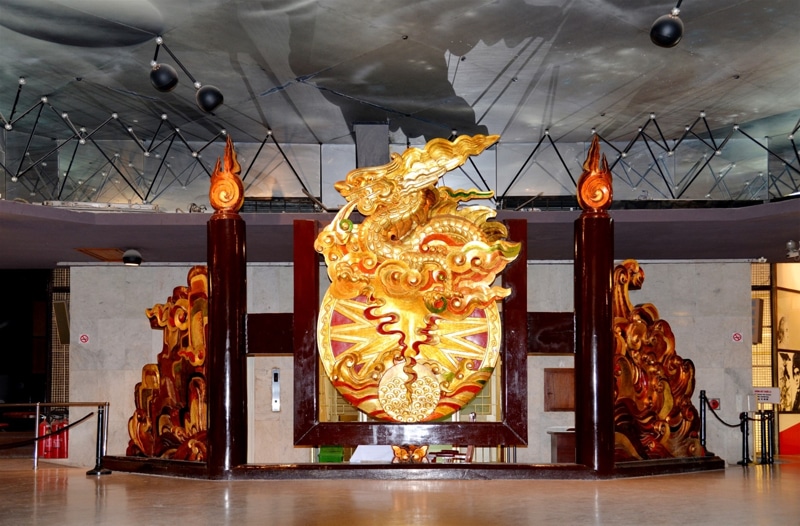
The second level features an artistic exhibition of the fights for independence and victory of Vietnam, with an emphasis on three major events in the history of Vietnam. The first is the Soviet Nghe-Tinh movement; the second is the rebellion against the French; the third is the victory of Dien Bien Phu in 1954, which signalled the beginning of the liberation of the South in the year 1975.
The story of each event is presented through a series of installation art and sculptures that illustrate the emotional bond between Ho Chi Minh and the Vietnamese nation, as well as the ability of the Vietnamese people to unite and overcome adversity in their fight for independence.
Third Floor
On the upper level of the museum, you can see the worldwide historical context that influenced Ho Chi Minh’s ideologies as well as the revolutionary activity occurring in Vietnam at this time. The exhibits on this level cover a number of significant global developments, including the Russian October Revolution, the Anti-Fascist Resistance Movement, the Post-World War II conflict, and the growing wave of Anti-Colonialism worldwide.
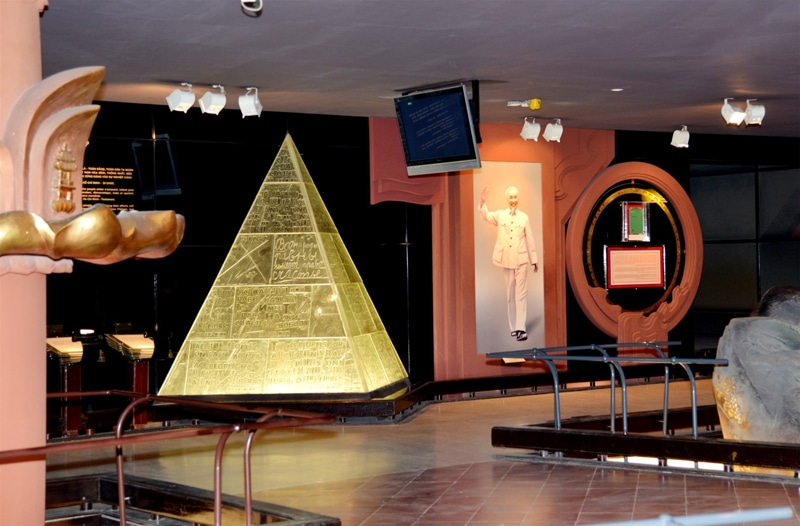
Furthermore, on this level of the museum, the visitor will find additional information on how Vietnam has participated in the international movement for Peace and Independence, and how global Allies assisted in this effort, as well as how Ho Chi Minh’s vision continues to Impact Present Generations and Contemporary Vietnam.
3 Unforgettable Experiences You Shouldn’t Miss
Ho Chi Minh Museum tour will be an experience through the archives and also an emotional experience because the visitors will be able to relate to the past of Vietnam. All the above activities will give you an insight into the life of the man who has devoted his life to the country and its people.
Admire the Brass Portrait of President Ho Chi Minh
Among the most remarkable experiences for the visitors will be the view of the enormous portrait of President Ho Chi Minh made from brass and mounted at the entrance of the museum. The portrait is a significant monument because it marks the beginning of the journey through the museum and reflects a sense of respect and admiration. The portrait depicts the calm and determined face of the Vietnamese president who spent his life struggling for the independence of his country.
Tourist groups tend to stop at this point to take in the powerful experience before proceeding to the exhibits. It is much more than a visual experience, but a cultural expression of gratitude and acknowledgment.
Walking Through the Nine Thematic Rooms of Life Journey
Going through the nine themed installation rooms on the first floor of the museum is similar to the steps taken by Ho Chi Minh himself on his life journey, from a child in Nghệ An Province to an international revolutionary. Each themed room has images and artifacts illustrating his struggles and his leadership qualities in his fight to save his country and the entire world through his global ideas and approaches to the struggles in Vietnam.
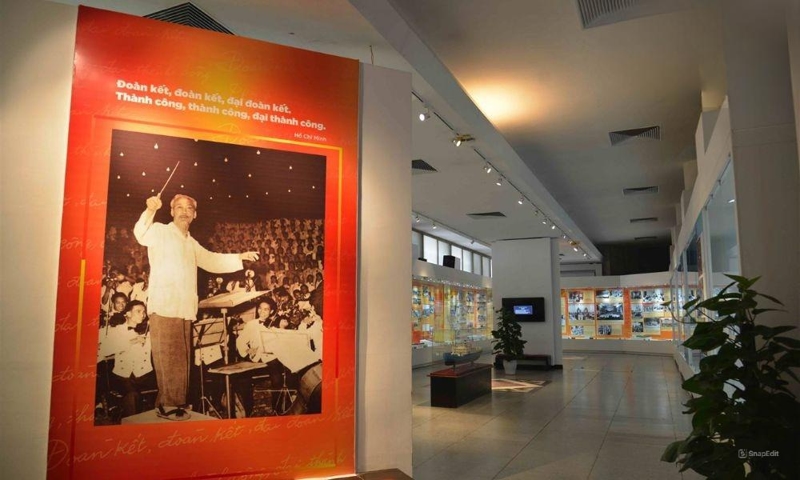
The process is quite informative and puts visitors into the perspective of the struggle and the sacrifices made to accomplish the goals, and thus it is an emotional experience for everyone visiting the place to be touched by his struggle and global ideas in life.
Find Art Installations Featuring the Vietnamese Battle for Freedom
The second floor is an immersion experience where artistic installations are strategically designed to recreate the historical milestones in the Vietnam resistance movements. These artistic installations provide a viewing experience where one is transported to the settings of the respective periods, ranging from the Soviet-instigated uprisings in Nghe-Tinh to the victory of Dien Bien Phu and the liberation of Saigon.
The skillful incorporation of sculptures and lighting design creates a sense of wonder and pride in the Vietnamese people’s indomitable will and spirit of unity and sacrifice. It is a learning experience that will be long remembered in the memories of those who value historical and cultural events.
Entrance Fee
Indian visitors are required to pay about 136.27 INR per person entrance fee to the Ho Chi Minh Museum. The following guests are admitted free of charge:
- Vietnamese nationals
- Individuals with disabilities
- International Council of Museums (ICOM) members
Opening Hours
The Ho Chi Minh Museum is open from 8:00 AM to 12:00 PM and from 2:00 PM to 4:30 PM on Tuesday, Wednesday, Thursday, Saturday, and Sunday. Visitors should make plans because the museum is closed on Mondays and Fridays.
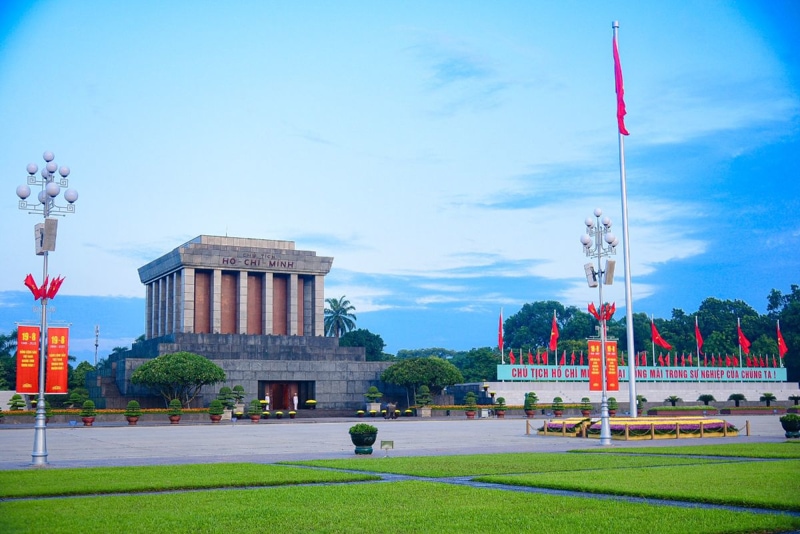
The cooler months of October through March, when Hanoi’s weather is ideal for strolling around the Ba Dinh historical complex, are the ideal times to visit. Mornings provide a more comfortable and tranquil museum experience because they are typically less crowded.
Things To Know Before Traveling To The Ho Chi Minh Museum
Here are a few rules to follow to ensure that you have a positive and positive experience at the Ho Chi Minh Museum – one of the most must-see attractions in Hanoi. Following these tips will prepare you to visit with confidence and enjoyment.
- Dress appropriately and respectfully, and remove your hat when you are in the museum. Be considerate when you are in areas with other people, especially older adults and individuals with disabilities.
- Do not bring prohibited items into the museum, including dangerous items such as weapons, explosives, flammable materials, and environmentally hazardous items.
- Before entering the museum, please deposit any backpacks, suitcases, or large bags in the designated storage area.
- Practice good personal hygiene and do not smoke, eat, or make noise while you are visiting.
- Please do not touch documents, artifacts, photographs, or museum equipment that you see on display.
- All children under the age of 10 must be accompanied by an adult or supervised group for their own safety.
- Be sure to follow the official visitor route and always follow directions given to you by a museum staff member in order to have a planned and respectful visit.
Final Thoughts: Is The Ho Chi Minh Museum Worth Visiting?
One cannot miss out on going to the Ho Chi Minh Museum if you want to learn about Vietnamese culture and history. The museum contains many displays and many preserved items that truly depict who President Ho Chi Minh was, as well as how Vietnam obtained its independence. Whether you’re a history buff or just visiting with curiosity, the Ho Chi Minh Museum will provide you with a very moving and memorable experience when visiting Vietnam. If you want to know more about the Hanoi trip, you can plan your tour with Vietnamtour.in and find out about many storylines that are connected to Vietnamese history.
