
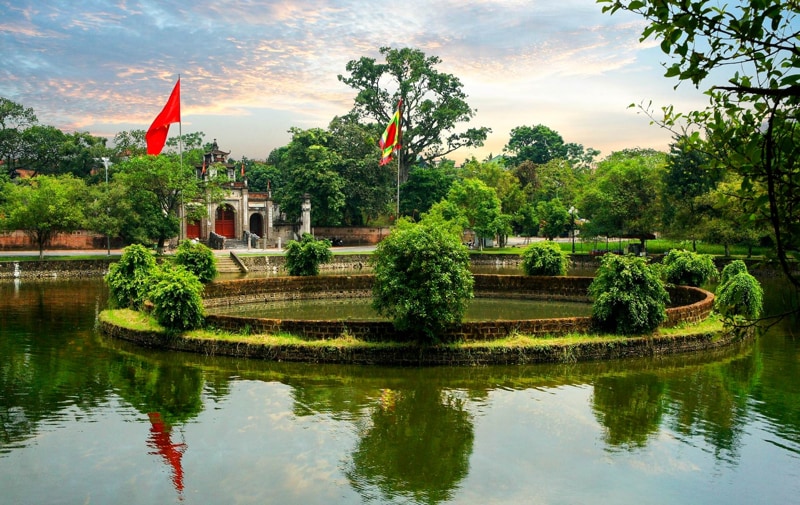
Formerly, the capital of the Au Lac Kingdom, Co Loa Citadel, was an old fortress close to Hanoi. It is still a fascinating cultural heritage site to visit because of its distinctive spiral architecture and fabled past.
Introduction To Co Loa Citadel
Located near Hanoi, the Co Loa Citadel is an ancient fortified city that dates back over nearly 2030 years and represents one of the earliest archaeological sites in Vietnam. The citadel was built during the reign of King An Duong Vuong and was formerly the capital of the Au Lac Kingdom, helping to establish the core identity of the Vietnamese nation.
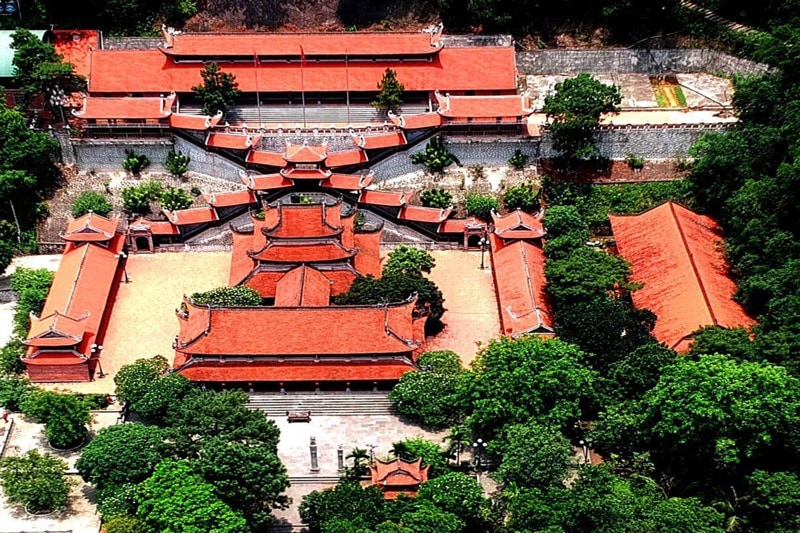
Fascinating legends, including that of a magical crossbow and a turtle god, not only draw visitors to Co Loa; the many temples that are preserved today, the circular ramparts surrounding the citadel, the lush green fields surrounding the village, and the annual festivals held in the village, all create a unique, immersive experience. Within Co Loa, you will find yourself experiencing an extension of Vietnamese ethnography.
History Of Co Loa Citadel
The Co Loa Citadel has a long history going back thousands of years, involving many different periods of cultural growth, political development, and military evolution in Vietnam.
Prehistoric Period
It is believed through archaeological findings that the area of Co Loa was first occupied by nomadic peoples approximately 20,000 – 11,000 years ago during the Stone Age. The first known cultures that resided in this area were classified as members of the Sơn Vi Culture, which are now referred to as the earliest and most ancient cultures found in Northern Vietnam.
Au Lac Kingdom – Reign of An Duong Vuong
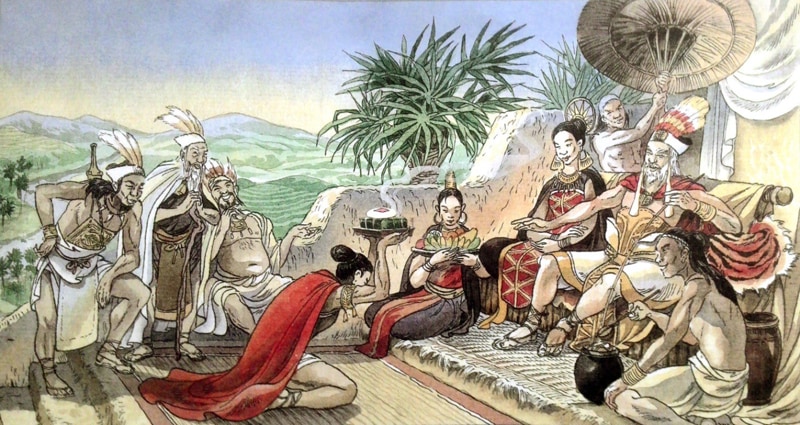
This was the most significant period in Co Loa’s history. Co Loa was constructed as the capital of an early kingdom called Au Lac. Today, Co Loa is thought to be the oldest and largest ancient citadel located in Southeast Asia. The architecture of Co Loa demonstrates multi-layered spiral architecture and strategic planning to create a very secure and important military fortification.
Northern Domination
During more than 1,000 years of rule by the North, Co Loa remained an important administrative and military hub within the administrative structure of Chinese feudal dynasties.
Era of Ngo Quyen
In 938, Ngo Quyen, after his victory over Southern Han in the historic Battle of Bạch Ðằng, declared himself king and named Co Loa his capital, re-emphasizing the importance and prestige of Co Loa.
11th to 18th Century
Co Loa developed into a more rural community over time. The villages, communal halls, and cultural architecture also started to emerge, which characterized the traditional look of the land and are evident to this day.
19th Century to Modern Times
Co Loa has long been a place where the revolutionary base during the anti-French Resistance and the supportive rear during the anti-American War took place. In present-day Co Loa, it can be seen how it maintains and protects its cultural heritage, and it proudly stands out as a living museum of Vietnamese origin and identity.
Unique Architecture Of Co Loa Citadel
Co Loa Citadel is known to be very unique regarding its spiral architecture, which at first consisted of nine concentric ramparts, of which only three are left to see today. These are very large, measuring 8 kilometers, 6.5 kilometers, and 1.6 kilometers, respectively, with the central part measuring 2 square kilometers. The architecture of Co Loa Citadel is very unique and advanced, which involves digging moats and constructing protective ridges. In fact, the design is very unique, such that the external ridges are vertical to protect against attack, while the inner ridges are gently sloping to enable the citizens to defend themselves.
The average height of the banks is 4-5 meters, but some areas are 8-12 meters high. The width of the ramparts measures 6-12 meters on top, and the foundation is significantly wider, measuring 20-30 meters. This is an impressive testament to the ancient engineering skills, which have made Co Loa the oldest, largest, and most uniquely designed ancient citadel in Vietnamese fortification history.
- Outer Rampart: This rampart measures about 7,880 metres in length, 3 to 4 metres in height, and 13 to 20 metres in width, and is made mostly of stone blocks and clay.
- Middle Rampart: This rampart is a wall surrounding the entire city, extending 6,310 metres in length with an average height of 6 to 12 metres and a width of approximately 20 metres.
- Inner Rampart: This rampart was built in a rectangular fashion, measuring 1,730 metres long, 5 metres high, and 20 metres wide, and is the most secure and central area within the city.7 Unforgettable Experiences You Shouldn’t Miss
Visiting Co Loa Citadel is more than learning about ancient ramparts. In fact, it is a journey to recreate thousands of years of Vietnamese history associated with temples, myths, and heritage. During the experience of exploring such an iconic landmark, it is essential to dive into the unique attractions associated with shaping the Co Loa identity.
Co Loa Temple – The Sacred Shrine of King An Duong Vuong
Located right inside the citadel, Co Loa Temple is the spiritual hub and most important landmark of the entire site. This temple is dedicated to An Dương Vương, also known as the great king and founder of the ancient land of Au Lac. When entering the temple, you will discover the intricately carved statues and ancient architecture, which bear testament to the long history of spiritual devotion.
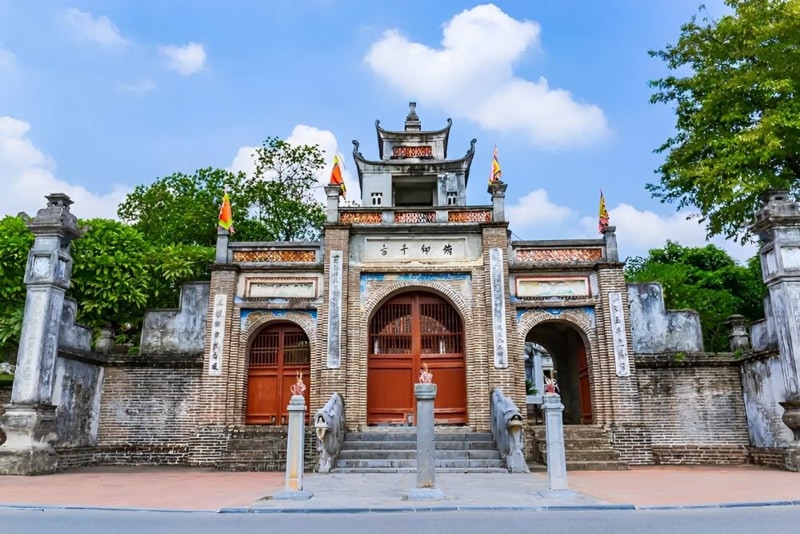
The tranquil surroundings also add to the spiritual atmosphere, which enables visitors to connect with history and pay respect to the great king. This temple is one of the very important destinations in Hanoi if you aim to learn more about the history and meaning behind Co Loa.
Discover Am My Chau, a Legendary Princess’s Resting Place
Am My Chau is believed to be the burial place of Princess My Chau, located under the shelter of a thousand-year-old banyan tree. This place has become the site of Vietnam’s greatest love story of My Chau and Trong Thuy, who were loyal, treacherous, and destined to be together. Local folklore has it that a “man-shaped rock” used as the base for this temple was washed up on the shore.
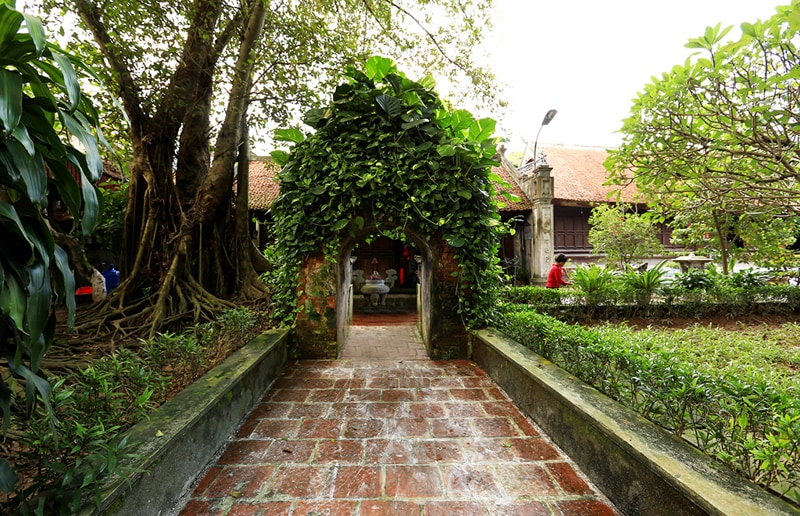
While some current visitors come to pay their respects to the princess, most are drawn to the deeper meanings of the story. The tranquil surroundings and solemnity of My Chau create an unforgettable cultural experience and a powerful sense of reflection and discovery.
Admire the Classic Craftsmanship of Co Loa Communal House
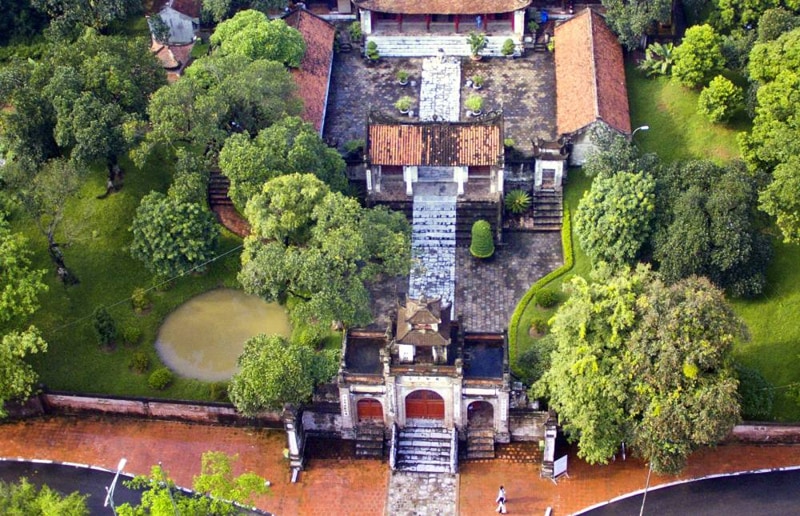
Co Loa Communal House, which is a work of art characterized by giant wood pillars and ancient carvings of Vietnamese designs, is nestled behind the innermost rampart. Its Four Seasons and Four Holy Beasts motif, which expresses the excellence and heritage of craftsmanship of the various dynasties, is the essence of design.
The communal house, rebuilt during the Le Dynasty, is a place where people assemble for worship and communal activities, and it has retained the cultural essence. Its timeless architecture, tranquil courtyards, and ornamentations reflecting the ingenuity of ancient people will surely amaze visitors. This is because it has also long preserved the cultural heritage of communal life and religion practiced by the ancient people of Vietnam.
View the Famous Ngoc Well: A Sign of Unending Love
Overlooking the crescent-shaped lake and situated near the Co Loa Temple, Ngoc Well has been considered by many as a beautiful symbol of the Citadel. The peaceful natural environment at Ngoc Well and its crystal-clear water have inspired countless stories regarding the romance between My Chau and Trong Thuy.

According to legend, Trong Thuy threw himself into this after her passing, yearning for reconciliation and forgiveness. Travelers who want to contemplate its poignant tale are drawn to the well because it symbolizes peace, loyalty, and reconciliation. Ngoc Well provides a peaceful area to stop and enjoy the gentler side of Co Loa’s historical story, which should be added to your to-do list in Hanoi.
Explore Cao Lo Temple: Paying Tribute to the Great Military Strategist
Cao Lo Temple is dedicated to General Cao Lo, the brilliant strategist with a magic crossbow of legend, which is said to protect not only the kingdom but also the fortification of Co Loa. Unravel the stories of cleverness, trickery, and passion, which were very important to the building of the historic fortress, as you visit the temple.
The tranquil surroundings of the temple help visitors to admire the simple but revered architecture. This site reminds people that it is not only the kings who built the heritage of Co Loa, but also people of extraordinary caliber.
Explore the Historical Exhibition Area: Ancient Civilization’s Relics
Co Loa is also keeping the heritage associated with the ancient civilization of Au Lac, thanks to the exhibition of artifacts and antiques revealing information on the everyday life and battles of the time. Cultural artifacts such as bronze drums, arrow molds, axes, tools, and many other artifacts excavated, including advancements and inventions during the time, are exhibited.
The discoveries made in this zone are continually increasing the understanding and appreciation of Vietnamese cultures. You can witness the role of the Co Loa Citadel thousands of years ago, which then acted as a political, military, and cultural center, by walking into the gallery.
Participate in the Co Loa Festival
The Co Loa Festival is a colorful cultural festival dedicated to King An Dương Vương and the heritage of the Co Loa Citadel. The festival is annually held on the fifth and sixth days of the Lunar New Year. Rituals such as offering and palanquin carrying are traditional practices that evoke a sense of devotion and pride.
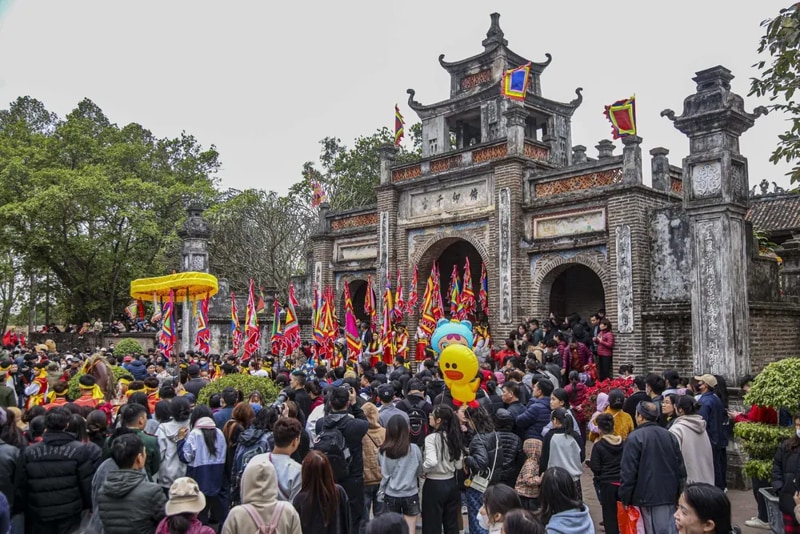
In addition to enjoying and participating in other traditional fun activities such as cockfighting and clay pot breaking, tourists are treated to several Vietnamese folk performances such as Vietnamese folk theater, Vietnamese opera, and Quan Ho folk singing. Apart from giving people a unique chance to witness the Vietnamese culture, which is true to form, the festival also brings history to life.
Entrance Fee
In addition, the entrance fee to Co Loa Citadel is not high. The amount charged to adults is 30,000 VND (102 INR), while to students and seniors, it is 15,000 VND (51 INR). Moreover, free entry is provided to children, people of national merit, and others. Thus, Co Loa Citadel is open to people wishing to learn more information regarding it.
Opening Hours
Co Loa Citadel operates on a daily schedule ranging from 08:00 AM to 05:00 PM. Since the place is large and characterized by an outdoor setup, anyone visiting can explore it freely.
You can visit Co Loa Citadel at any time of the year, and each season has its charm. Nevertheless, it is best to visit Co Loa Citadel during the summer when the purple crape-myrtle and flamboyant trees are in full bloom, and the scenic beauty of the place is complemented by favorable weather conditions.

For those wishing to experience the festival atmosphere, you should plan a visit during the 5th and 6th of the first lunar month, during which the Co Loa Festival is celebrated. The festival is a cultural event to pay tribute to King An Dương Vương.
Another exclusive experience is when one is able to witness Sa Market, which takes place only five times a month on the 1st, 6th, 11th, 16th, 21st, and 26th of each lunar month. The market takes place from 5:00 AM to 11:00 AM along the route leading to the Citadel.
Things To Know Before Traveling To Co Loa Citadel
To ensure you have a convenient and enjoyable experience during your visit to Co Loa Citadel, here are a few things you should keep in mind before you go. These tips will enable you to plan more effectively and avoid common pitfalls, so you can fully appreciate your cultural adventure.
- As you will be walking through the vast outdoors, you should wear comfortable shoes.
- If it is summertime when you are visiting, don’t forget to take along water, a hat, and sunscreen, as it can become hot.
- Schedule your visit on the fifth and sixth days of the Lunar New Year if you are interested in witnessing the festivities.
- If you want to avoid the crowd and take beautiful photos due to the soft natural light, start very early.
- When visiting temples and places of worship, remember to respect the holy areas and avoid producing loud noises.
- Hard cash should the surrounding small businesses and facilities not have access to electronic financial transactions.
- In order to ensure a smooth ride, it is important to check the weather forecast before heading out, and more so during the wet season.
Final Thoughts: Is Co Loa Citadel Worth Visiting?
Co Loa Citadel is also a place where history, architecture, myth, and Vietnamese identity are interwoven. Starting from the unique design of the spiral-shaped ramparts to the endless myths associated with King An Duong Vuong, Co Loa Citadel is the perfect place to go back in time more than two thousand years. The rural atmosphere and sacred temples of Co Loa are also a great source of relaxation after the hustle and bustle of Hanoi. Are you ready to explore the legendary history of Vietnam yourself with Vietnamtour.in?
