
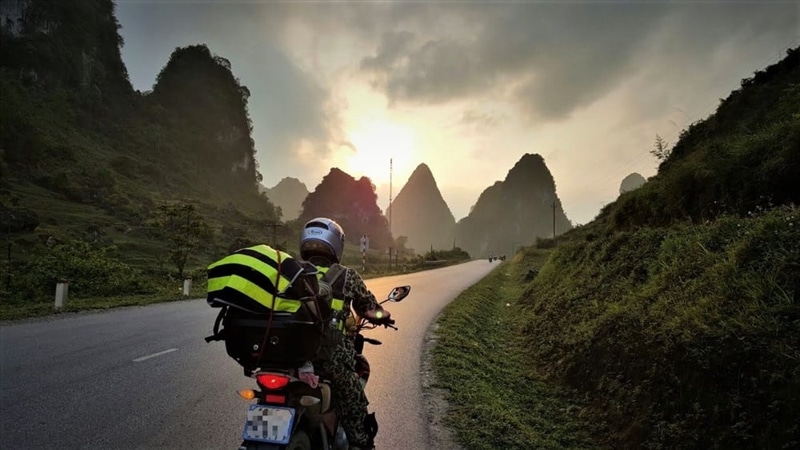
Traveling to Ha Giang is an exciting experience that many young people enjoy when visiting the majestic mountains and forests of Northeast Vietnam. This region has a special route worth exploring called the Ha Giang Loop. This route is considered a scenic paradise in Northeast Vietnam that you should explore when enjoying the scenery of Ha Giang.
Where Is Ha Giang
The province of Ha Giang lies in the northeastern part of Vietnam and shares a border with China along its northern side. It is approximately 300 kilometers (186 miles) north of the capital city of Hanoi.
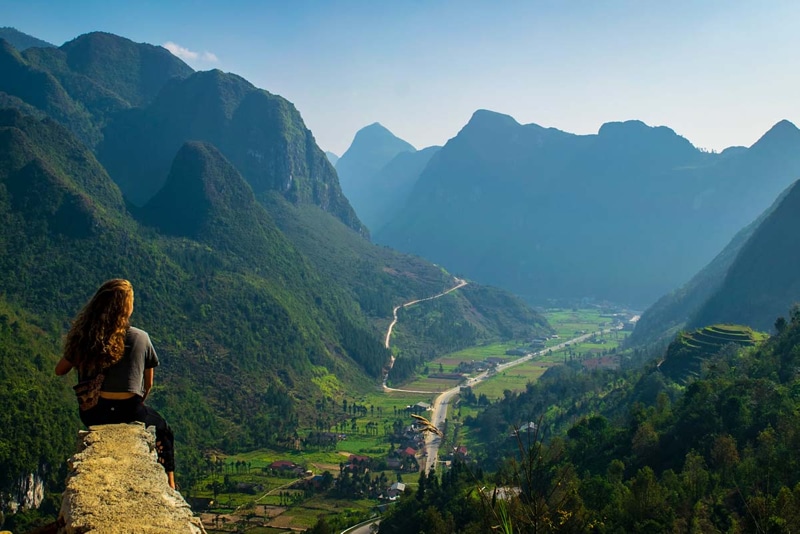
Ha Giang’s geography includes many dramatic landscapes with steep limestone mountains, thousands of feet deep valleys, narrow roads winding through the mountains, and remote, isolated villages inhabited by various ethnic minorities.
What Is The Ha Giang Loop
The Ha Giang Loop is a famous motorbike adventure route located in Northern Vietnam, passing through some of the most breathtaking mountain scenery that Vietnam has to offer. It’s not just a motorbike trip, but rather a circular journey through the remote highlands, limestone karst mountains, valleys, and ethnic minority villages, making it one of the most authentic travel experiences in Vietnam.
Why Is It Called Ha Giang “Loop”
The shape of the route gives it the name “Loop” because it is closed, providing a roundabout path for travelers. While the name describes the route’s geography, it also represents something more significant: for many, the Ha Giang Loop is about gaining a deeper understanding of life. You will depart feeling curious and return with a new perspective on yourself, your place in nature, and among other people in this remote area of Vietnam.
Total Distance and Duration
The classic Ha Giang Loop covers approximately 350–370 kilometers, depending on the route and detours taken to villages, viewpoints, and rivers along the way.
Most travelers complete the Ha Giang Loop in 3 to 5 days. A 3-day journey is suitable for fast-paced travelers who are short on time, while 4 days is the most popular option for a balanced experience that allows enough time for sightseeing and rest. For those who prefer a slow and immersive adventure, 5 days is ideal for deeper exploration and village stays.
Who Ha Giang Loop for
The Ha Giang Loop is perfect for solo adventurers who want to experience freedom and adventure, for backpackers who want to explore on a budget, for couples who want a unique and romantic adventure, and for adventure lovers who want to experience the ultimate adventure in Vietnam.
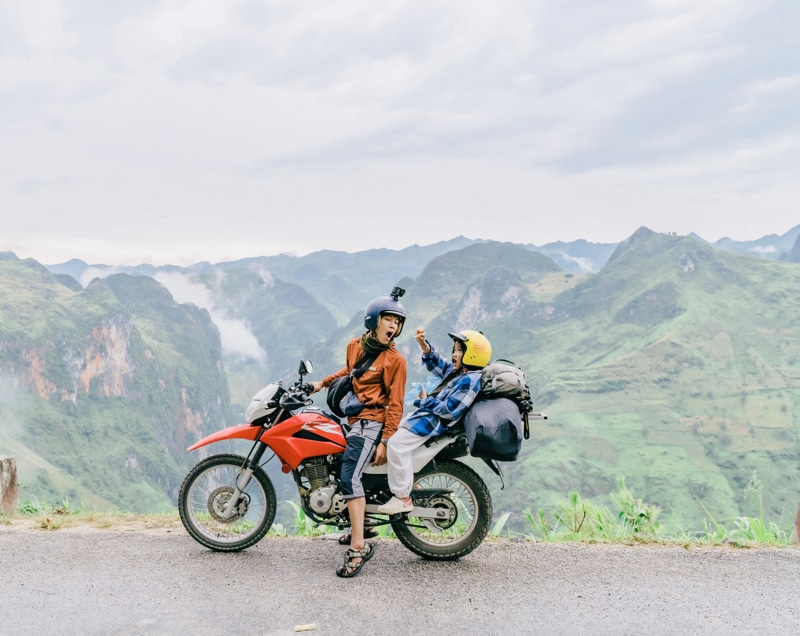
Whether you ride on your own, join a tour, or go with an easy rider, this loop is an adventure not to be missed for any adventure traveler or nature and culture enthusiast who wants to experience adventure travel at its best.
Highlights and Attractions on The Ha Giang Loop
The Ha Giang Loop is a route that brings together some of the most impressive landscapes and tourist attractions in this region. Let’s take a look at some of the most impressive sights along the Ha Giang Loop route, as compiled by Vietnamtour.in travel guide!
Quan Ba Heaven Gate
Quan Ba Heaven Gate, one of the earliest stops on the Ha Giang Loop for visitors looking to immerse themselves in the beauty of the scenery, presents visitors with an extraordinary perspective of the Tam Son Valley. You will see a vast expanse of the valley below you, filled with layers of mountains, bright green fields, and quaint little villages.
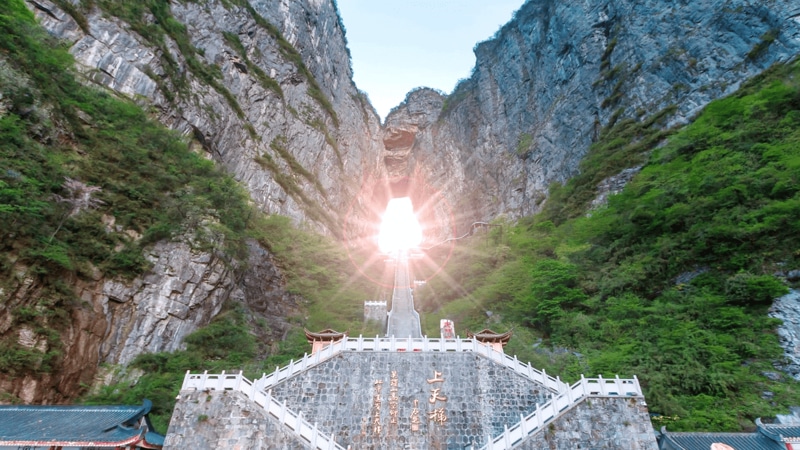
The stunning vistas, combined with the altitude, allow visitors to develop a remarkable first impression of the region, which will influence the way they view the remainder of their travel experience.
Quan Ba Twin Mountains
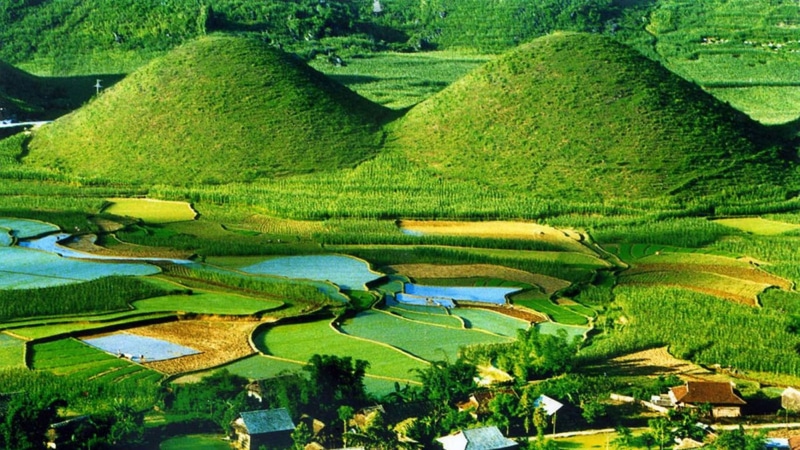
Quan Ba Twin Mountains is one of the most impressive attractions on the Ha Giang Loop road trip. Upon arrival, you can enjoy the untouched natural scenery and feel like you are reaching out and touching the sky at Quan Ba Heaven’s Gate. Quan Ba Twin Mountains are 40 kilometers from the center of Ha Giang and attract many tourists who want to visit and enjoy their natural beauty.
Lung Cu Flagpole
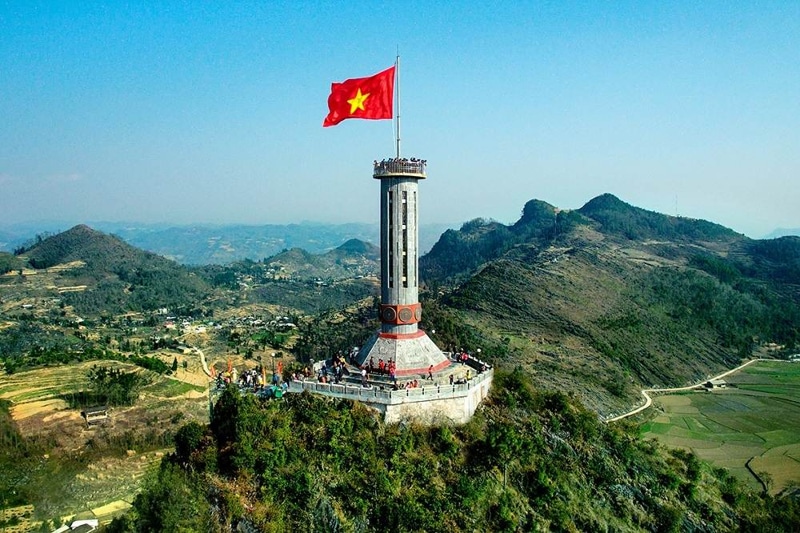
Lung Cu Flagpole has a majestic and imposing beauty, especially within the vast mountains and forests of Ha Giang. This is a destination for many travelers visiting Ha Giang. With its special significance as the northernmost point of the country, the imposing beauty of this place is suitable for young people who are passionate about exploring the landscapes and history of Vietnam.
Tham Ma Pass
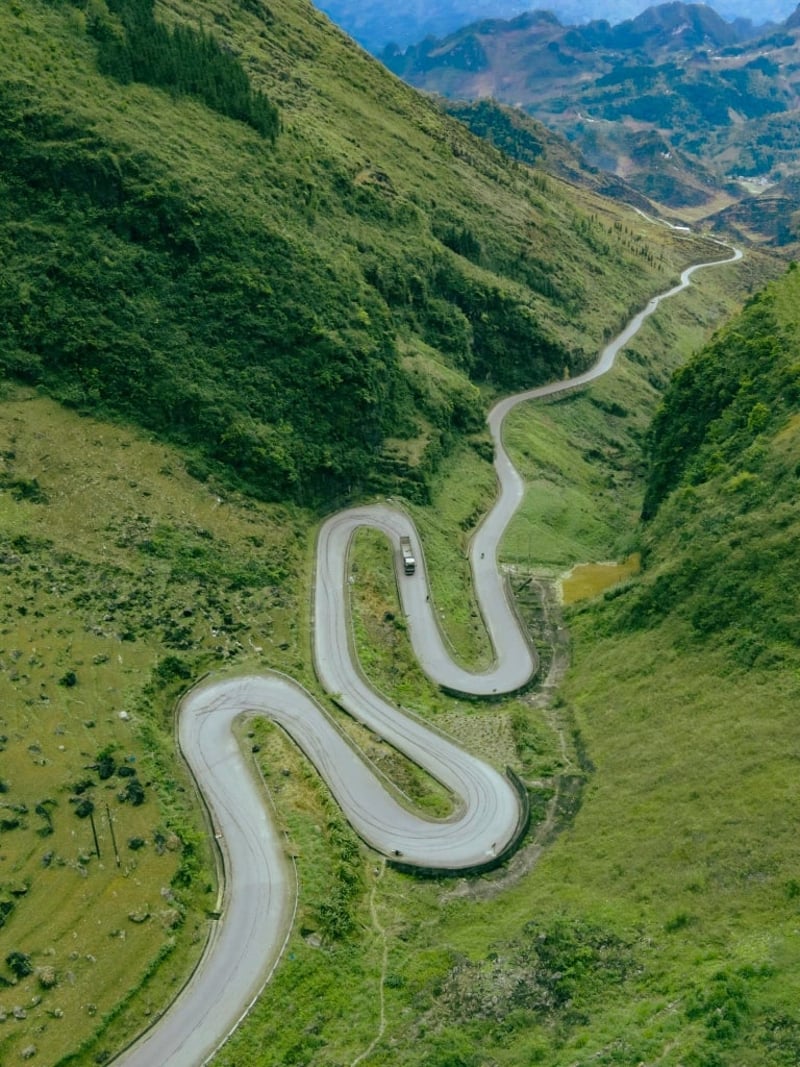
Tham Ma Pass is a stunning and one of the most famous roads in the Ha Giang Loop. This picturesque stretch of road is located on the journey from Yen Minh to Sa Phin. The lush green natural scenery and the sight of the local people working near this pass will make you feel peaceful, relaxed, and comfortable.
Dong Van Karst Plateau
The Dong Van Karst Plateau is the geological heart of the Ha Giang Loop and one of the most unique landscapes in Vietnam. The endless mountains of limestone rock seem to go on forever, and the landscape feels raw and untamed, like something out of a fantasy movie. What makes the Dong Van Karst Plateau special, though, is the contrast between the harsh stone landscape and the peaceful presence of villages, corn fields, and everyday life amidst the rock.
Dong Van Old Town
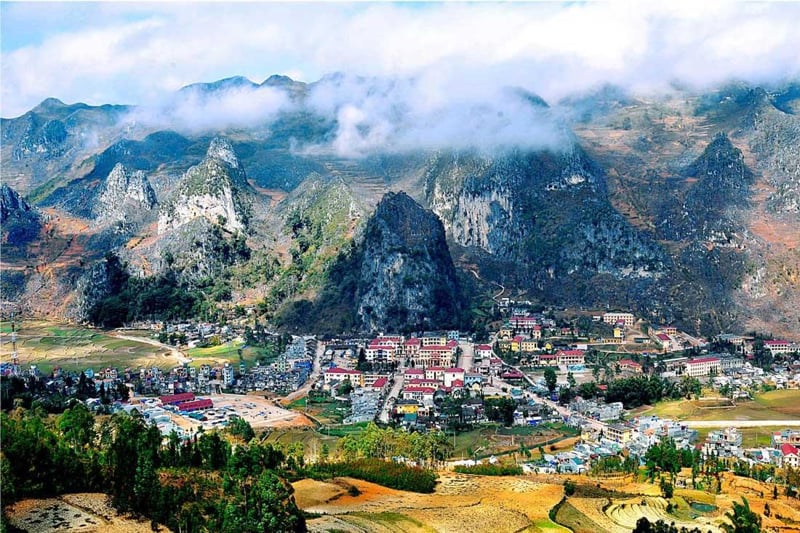
Dong Van Old Town is known as the cultural center of the Dong Van Karst Plateau, boasting impressive scenery and vibrant natural surroundings. It possesses a magnificent and diverse cultural tapestry, bearing the imprint of the Hmong, Tay, and Hoa ethnic groups. In addition, after visiting Dong Van Old Town, you can also stop by Dong Van Market to explore the bustling life of the local people.
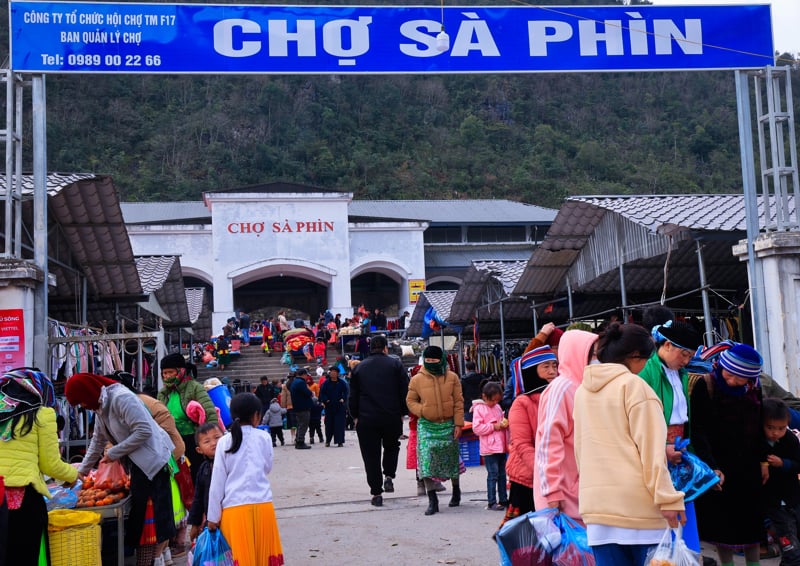
Sa Phin Market
Sa Phin Market is a market that happens every six days with many interesting activities. When you come to Sa Phin Market, you will see the way people trade as well as the unique colors of ethnic culture. People always carry their baskets on their backs when they come to trade different kinds of goods, like agricultural equipment, food, and other daily-use items.
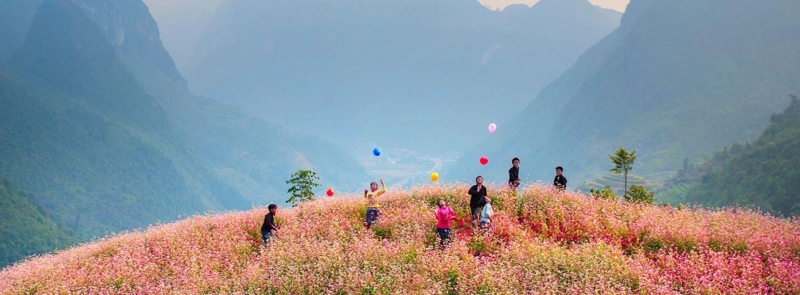
Sung La Valley
The area of Sung La valley is comprised of lots of beautiful vegetation and a very peaceful atmosphere with lots of natural landscapes. Because of this, most flowers bloom and show off their beauty at this time of year due to the moderate temperatures. For those who visit the area, it may be known best for being the most picturesque highland commune in the entire Dong Van Karst Plateau.
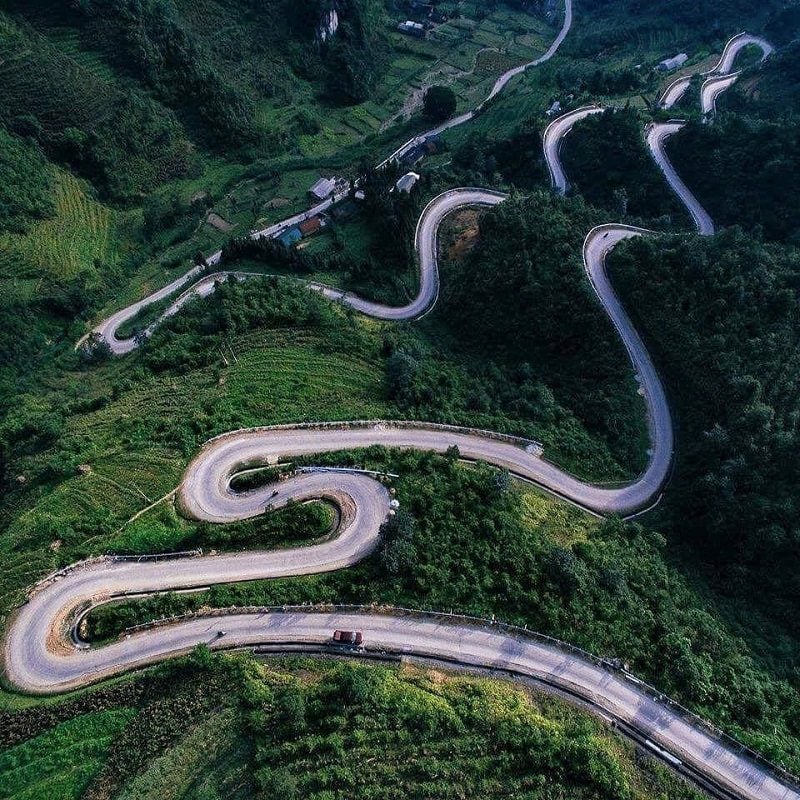
Ma Pi Leng Pass
Pass de Ma Pi Leng is the fourth of the “four great” mountain passes in northern Vietnam’s mountainous area. The sublime and treacherous beauty of Pass de Ma Pi Leng comes from how it was formed, a winding road through cliffs. For many people who visit Ha Giang, the Ma Pi Leng Pass is a challenge that they want to complete during their journey.
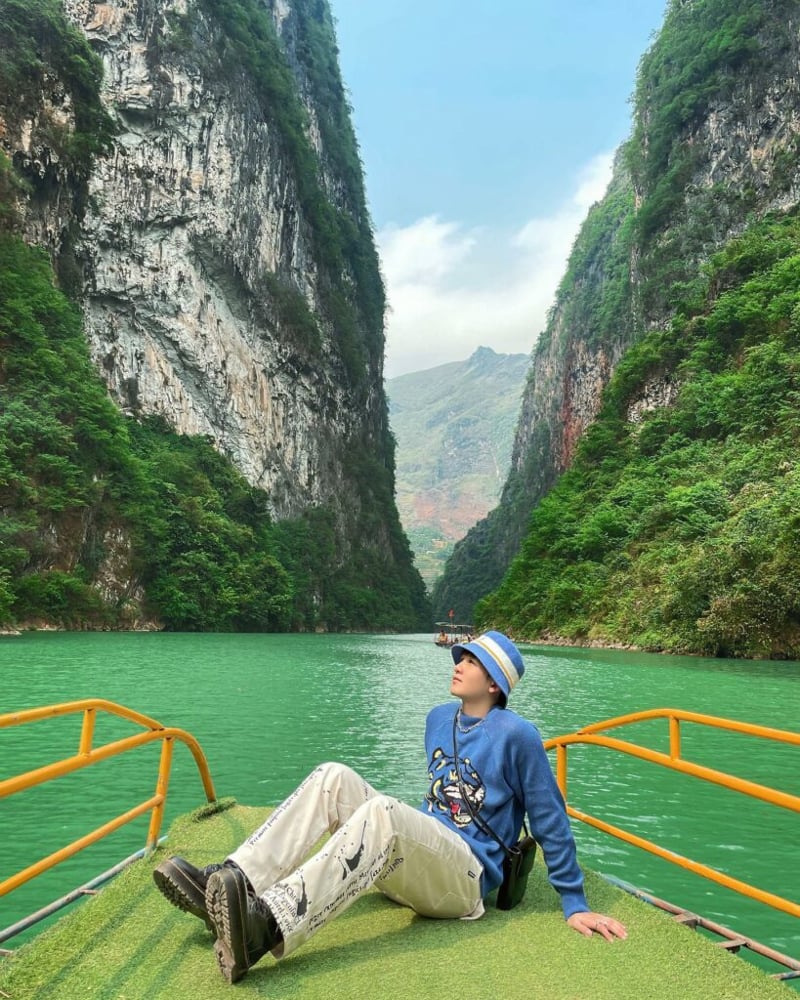
Nho Que River
The Nho Que River has a calm and beautiful nature thanks to its clear waters sheltered by colourful mountain peaks. As you take in the surrounding environment while you enjoy the Nho Que River, you will be provided with a tranquil and relaxed environment when travelling on the Ha Giang Loop.
King Meo’s Palace
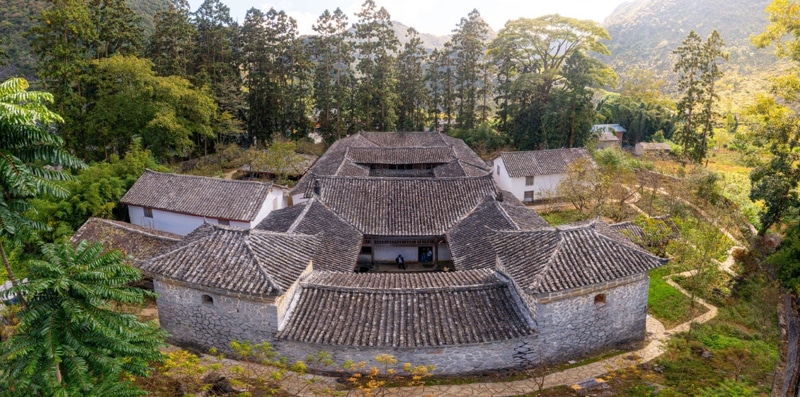
The King Meo’s Palace is one of the impressive architectural works you should explore when enjoying the Ha Giang Loop. This structure is also known as the Vuong Family Mansion. The King Meo’s Palace possesses an ancient beauty with architectural features that are rich in local culture but also incorporate foreign styles such as French and Chinese.
Ethnic Minority Culture of Ha Giang
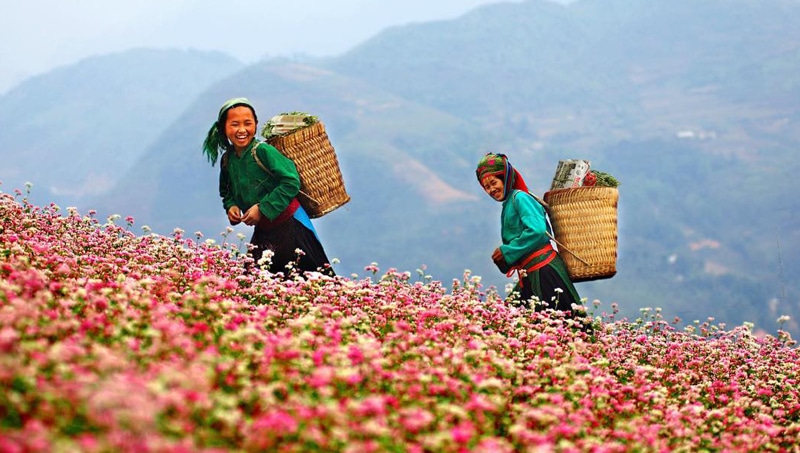
What makes Ha Giang truly special is not only the mountains but also the people living in them. While touring the Ha Giang Loop, you will pass through villages inhabited by the H’mong, Dao, Tay, Lo Lo, and Nung people, where people live in harmony with nature rather than tourism.
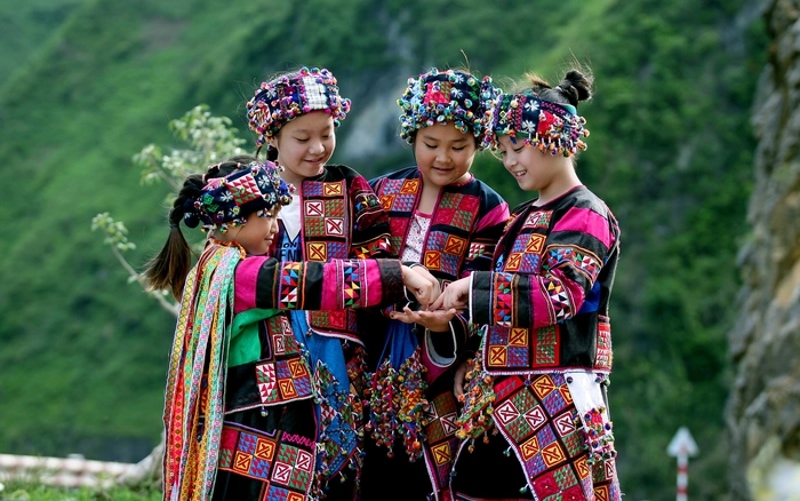
You will see stone houses nestled in rocky mountains, corn drying in front of wooden homes, children going to school along mountain paths, women carrying baskets of vegetables, firewood, or farm equipment on their backs, misty mornings in the villages, buffaloes taking their time walking along the road, and local markets becoming the center of village life.
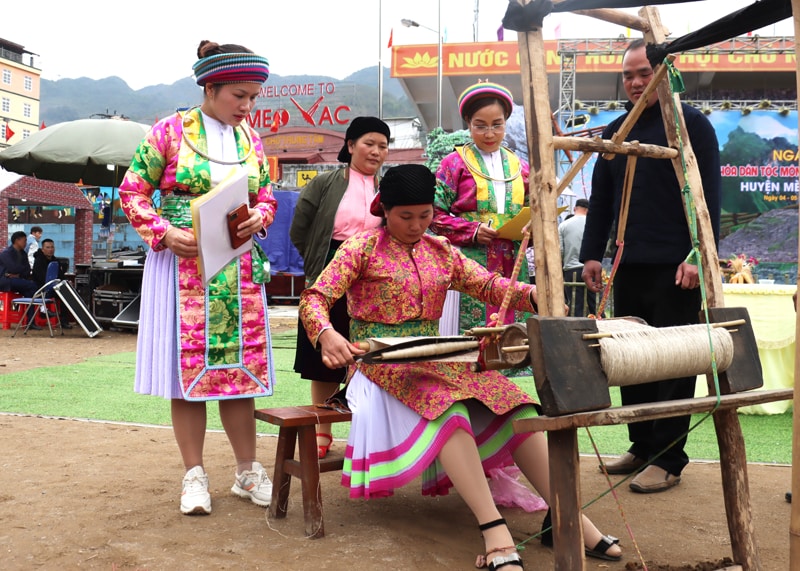
Markets are not like the tourism shows they are often portrayed to be; they are actually meeting points where people come to exchange goods like corn, rice, vegetables, chickens, tools, fabrics, and homemade wine, among other things. Traditional wear is not worn for the sake of taking pictures; it is actually worn for daily use. Festivals and rituals are not done for the sake of the tourism crowd; they are actually an integral part of the community.
Best Time to Do The Ha Giang Loop
Based on our experience of traveling to Ha Giang by motorbike, every season in Ha Giang is beautiful and poetic. If you haven’t been to Ha Giang before, you can schedule your trip according to your free time. Or, consider some of our suggestions below:
- Traveling to Ha Giang during the Flower Season
Ha Giang is famous for its stunning flowers, from the pristine white plum blossoms, the romantic pink peach blossoms in spring, to the vibrant yellow of rapeseed flowers, and the dreamy purple of buckwheat flower fields. Each flower season attracts tourists from all over to admire and marvel at the wondrous gifts that nature has bestowed upon this land.
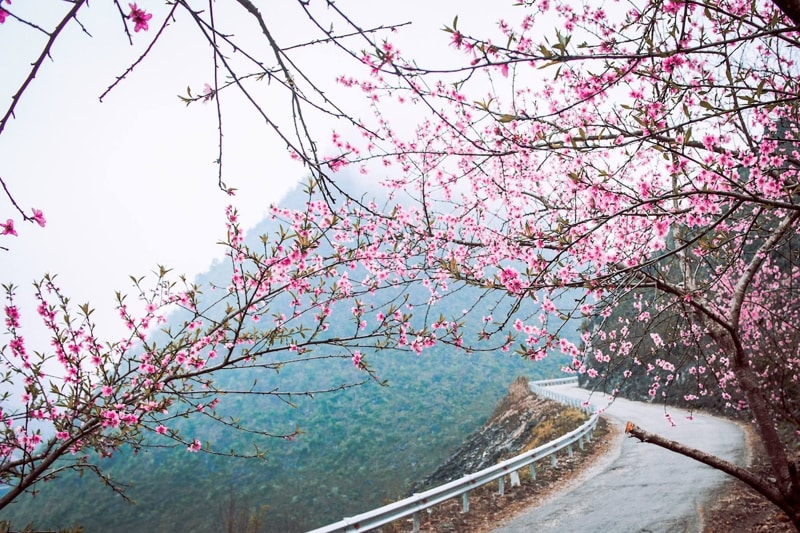
To see the peach and plum blossoms, visitors should come to Ha Giang around March. The weather is still cool and spring-like, with gentle breezes swaying the petals, creating a romantic and heartwarming scene. Buckwheat flowers bloom most profusely from October to November, covering the hillsides in a soft purple hue.
- Traveling to Ha Giang during the Festival Season
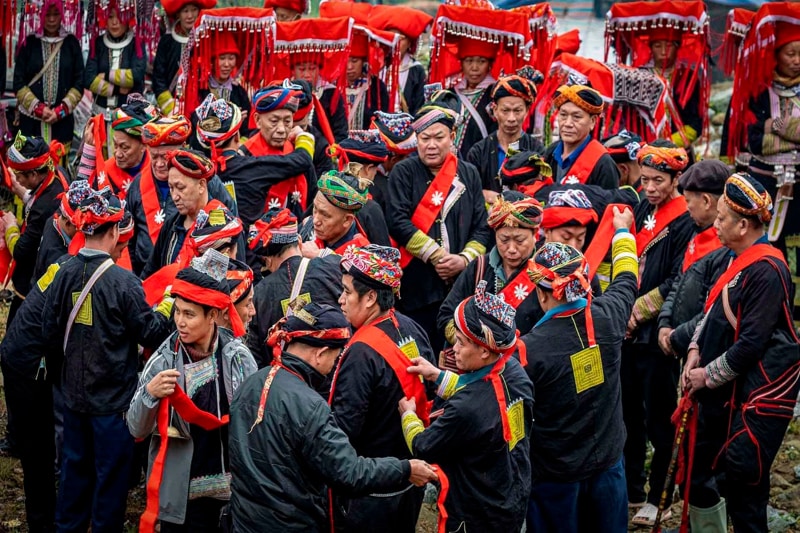
The festival season here falls around January and February. The early year festivals, with their joyful and bustling atmosphere, filled with flutes and drums, and colorful costumes, are an experience you won’t want to miss. Some famous festivals in Ha Giang include: the Cap Sac Festival, the Long Tong Festival, and the Gau Tao Festival.
- Ha Giang Tourism During the Water-Floating Season
From May to June, Ha Giang enters the water-flooding season with an unusually captivating beauty. The endless terraced rice fields await the water flowing from the mountaintops, promising a bountiful harvest.
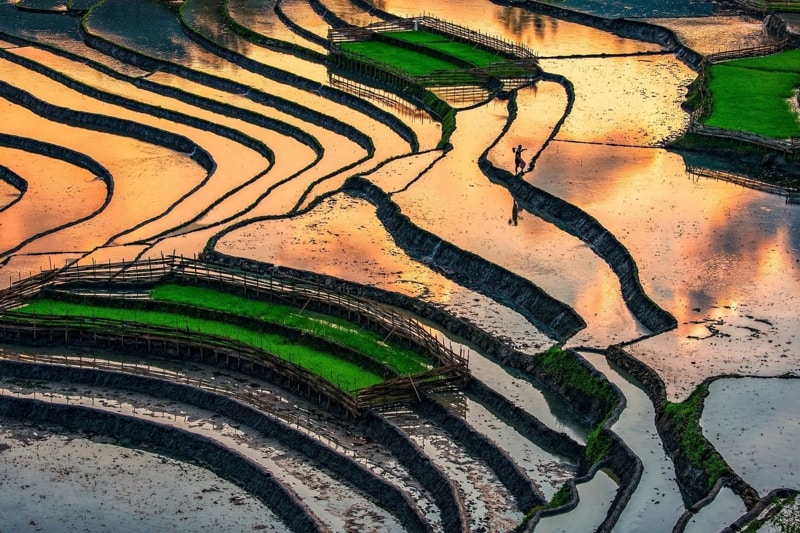
The entire region seems to be adorned with a new coat of color, sparkling under the warm sunlight as water covers each field. It’s the image of people bustling in the fields, plowing and pulling, a lively and bustling scene. It is this rustic, simple beauty that captivates many tourists with its tranquil charm in Ha Giang.
- Ha Giang Tourism During the Rice Harvest Season
The rice harvest season in Ha Giang is extremely famous and is the time of year that attracts the most visitors. The rice harvest season falls from August to September, shortly after the water-flooding season. Each rice stalk, heavy with ripening grains, turns golden yellow, like a giant silk carpet embracing the hillside stretching endlessly into the distance.
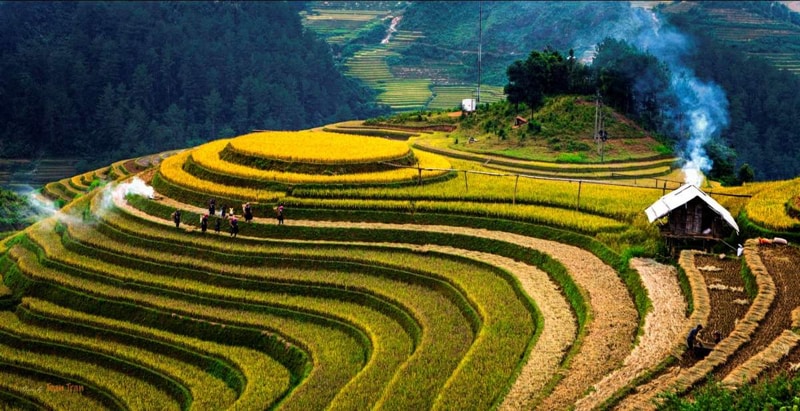
The scent of ripening rice wafts in the gentle breeze, bringing a soft, soothing feeling. This enchanting and poetic scenery is what makes anyone who has visited Ha Giang, even just once, remember it forever.
How to Travel to Ha Giang Loop
The journey to conquer the Ha Giang Loop does not start from the difficult mountain passes, but it starts from how you get to Ha Giang city.
Traveling from Hanoi to Ha Giang
You need to travel nearly 300 kilometers to get to Ha Giang from Hanoi, and it will take you an average of 6 to 8 hours to get to Ha Giang. The route is relatively convenient since it mostly involves national highways and the midland provinces in the north.
- By Sleeper Bus
Traveling by sleeper bus is the most popular way of getting to Ha Giang from Hanoi, especially if it is your first time visiting the Ha Giang Loop. The distance between Hanoi and Ha Giang is 300 kilometers, and it takes an average of 6 to 8 hours to get to Ha Giang, mostly leaving in the evening and arriving early in the morning the next day.

The best advantage of this mode of transport is that it is relatively cheap, ranging from 250,000 to 350,000 VND (877 to 1228 INR), and it saves you a night’s accommodation and enables you to start your journey as soon as you arrive.
- By Limousine
For those who prefer comfort before embarking on this challenging journey, a limousine is available. This type of transportation has comfortable seats that recline, providing a quiet and relaxing space, and fewer passengers disturb each other. The fare costs 400,000 to 500,000 VND (1403 to 1754 INR) per trip, but it is worth it as you will be rewarded with good physical condition, which is necessary when driving on mountain roads for several days.
Traveling Ha Giang Loop
Whenever you come to Ha Giang City, you should spend time relaxing and eating before you really start your Ha Giang Loop journey. You can choose one of these ways:
- Renting a motorbike and driving by yourself: Prices range from 180,000 to 550,000 VND per day, but fuel costs are not included. The price you pay will depend on the type of bike you rent. Your rental company will typically furnish you with a helmet, poncho, and tie-down straps as well as other necessary accessories.
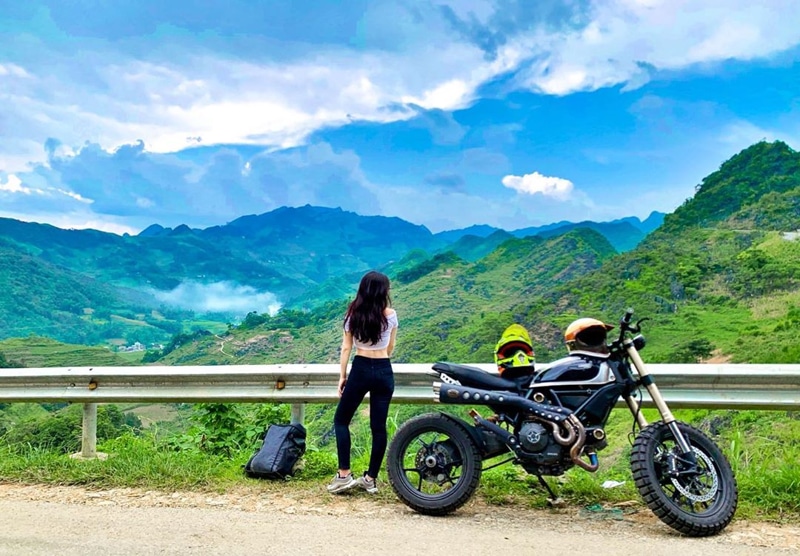
- Travelling with an easy rider: The best way for you to explore mountainous terrain while remaining comfortably seated behind a driver will be via the easy rider. Riding with the easy rider will let you see mountain scenery at its best while giving you the chance to relax and not worry about navigating unfamiliar surroundings.
- A travel package is another option to make the Ha Giang Loop easier to visit. If you are with a travel agency, such as Vietnamtour.in, you won’t have to worry about the route or driving long distances to get there. You can contact a tour company’s travel experts to assist you with designing your trip based on your needs and preferences.
Popular Ha Giang Loop Routes
Below are the most popular Ha Giang Loop routes currently available, chosen by both Vietnamese backpackers and international tourists.
3-Day Ha Giang Loop Route
The classic 3-day itinerary for Ha Giang Loop is best for travelers who are on a tight schedule but want to experience the best of Ha Giang. This itinerary normally includes the main loop: Ha Giang City, Quan Ba, Yen Minh, Dong Van, Meo Vac, and Ha Giang City.
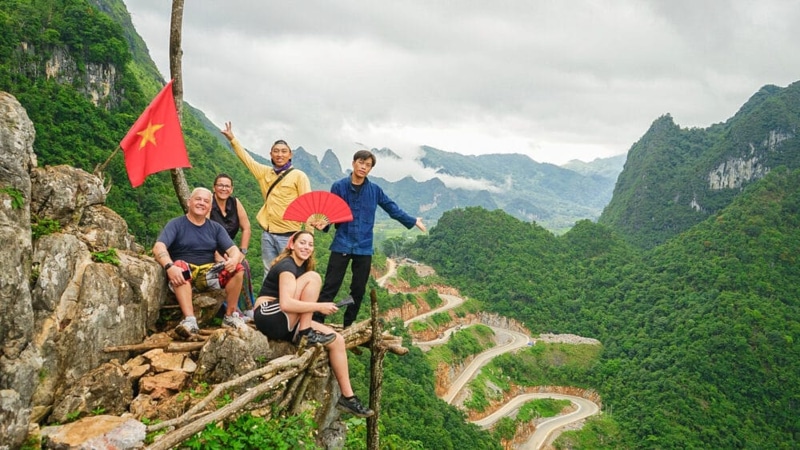
This itinerary is fast-paced and involves a lot of riding with limited stops. However, you’ll get to experience some of the best landscapes, passes, and viewpoints. This itinerary is best for experienced travelers or those who don’t mind long drives.
4-Day Ha Giang Loop Route
The 4-Day Route is one of the most popular and well-balanced routes for the Ha Giang Loop. It gives you plenty of time to take in the views without rushing, while keeping it relatively short and efficient. You typically start at Ha Giang City, travel to Quan Ba, Yen Minh, and Dong Van, then backtrack from Dong Van to Lung Cu and Meo Vac before continuing to Du Gia, finally returning to Ha Giang City.
As it would in the 3-day Route, you’ll pass by many of the main attractions, such as Ma Pi Leng Pass, Nho Que River, Dong Van Old Town, and Du Gia Village, and experience a mix of mother nature, culture, and relaxation on this route.
5-Day Ha Giang Loop Route
The Extended 5-Day route allows travelling the Ha Giang Loop at a slower pace and deeper level. It begins similarly to the main loop but continues through other villages, and remote areas including: Thai An, Lung Ho, and Du Già.
By having 5 days instead of 3 days, you will be able to travel through smaller roads, stay longer in some villages, communicate with more local people, and also allow a shorter riding distance on certain days. It is less about travelling distance and more about exploring.
Where to Stay on The Ha Giang Loop
If you’re looking for guesthouses or hotels, you can focus on the central area of Ha Giang city. Meanwhile, homestays are more common in the Dong Van and Meo Vac rocky plateaus. In general, if you want to find overnight accommodation in Ha Giang, there are three main areas: Dong Van town, Lung Cu Flagpole area, and the Happiness Road area.
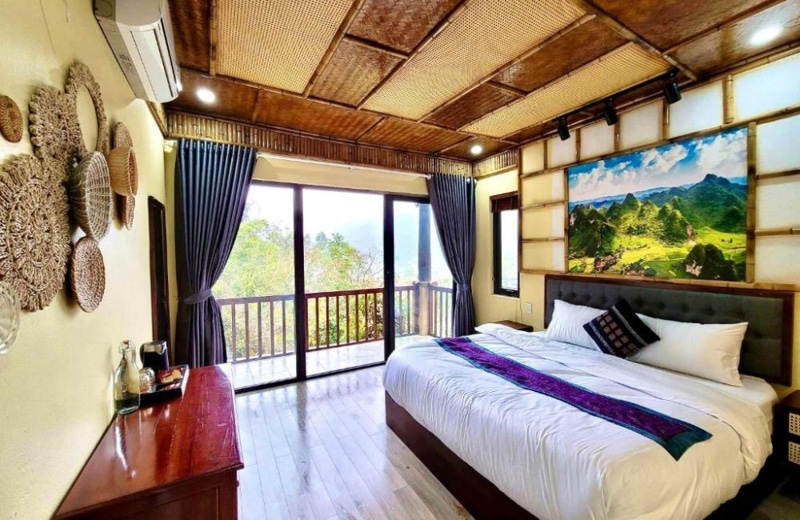
Choosing which area to book depends on your needs and itinerary. For example, if you’re not too concerned about space, don’t need unique views, and prefer a lively and cheerful atmosphere, then Dong Van town is the place to stay. For tourists who want beautiful scenery, attractive photo spots, or don’t want too much noise, they can choose the Lung Cu area or the Ma Pi Leng Pass – Meo Vac area.
Food on The Ha Giang Loop
While travelling the Ha Giang Loop, you will find that the food options are not luxurious, but rather simple, local dishes that provide the energy necessary for long days. Typical meals are made up of rice, noodle soups, vegetable stir fries, and grilled meats. You will find these foods at many small local restaurants and homestays along the route.
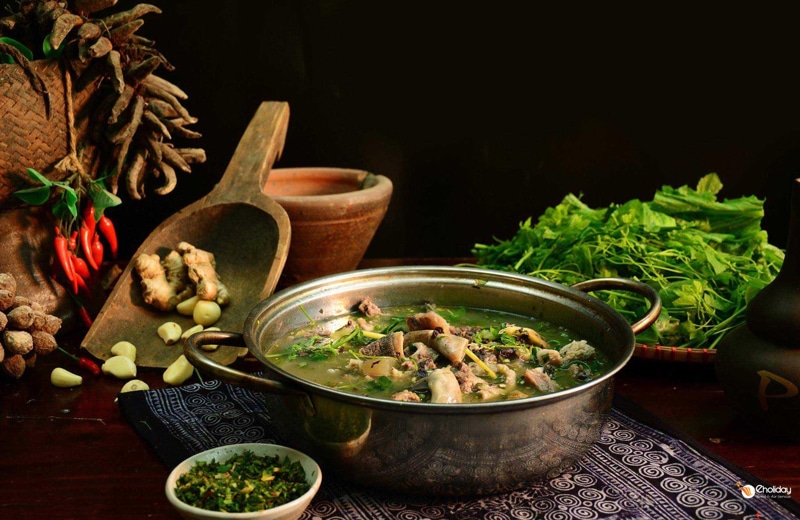
As you travel through Ha Giang, there will be many chances to try some of the highland specialties that showcase the culture of the area. Examples of these dishes are: thắng cố (an ethnic stew), cháo ấu tẩu (a local herbal porridge from Ha Giang City), mèn mén (steamed cornmeal, a major food source for the H’mong), and simple hill BBQ-style dishes containing grilled meats and vegetables.
Safety Tips for Ha Giang Loop
The Ha Giang Loop is a beautiful route with impressive scenery of the Northeast mountains and forests. However, it’s not an easy route and presents many challenges ahead. You should note the following information compiled by Vietnamtour.in to ensure the most fulfilling Ha Giang Loop adventure!
- Prepare a full-face helmet that fits well to protect against dust and weather.
- Choose sturdy hiking boots or athletic shoes. Avoid flip-flops and slippery shoes as they are unsafe.
- Prepare gloves, knee pads, and arm pads for added protection.
- Some sections of the route are quite challenging; you need a steady hand on the handlebars and a strong mindset before attempting it.
Conclusion
With its majestic beauty and numerous challenges, the Ha Giang Loop deserves to be considered the most beautiful motorbike route in Northeast Vietnam. If you want to explore Ha Giang, be sure to visit this route to enjoy the most amazing experiences!
See you in Ha Giang!
